



How to Plan and Layout Your Vegetable Garden for Success
- HOME Garden
- June 2, 2023
- No Comment
- 25
If you’re looking to start a vegetable garden, planning and layout are crucial to your success. A well-planned garden can yield a bountiful harvest, while a poorly planned one can lead to disappointment and frustration. In this article, we’ll go over the steps you need to take to plan and layout your vegetable garden for success.
Step 1: Choose the Right Location
The first step in planning your vegetable garden is to choose the right location. You want to choose a spot that gets plenty of sunlight, has good drainage, and is easily accessible. Ideally, your garden should be located close to your home, so you can easily tend to it.
Step 2: Determine the Size of Your Garden
Once you’ve chosen the location for your garden, you need to determine the size of your garden. This will depend on how much space you have available and how much produce you want to grow. A good rule of thumb is to start small and expand as you gain experience.
Step 3: Decide What to Plant
The next step is to decide what to plant in your garden. Consider what vegetables you and your family enjoy eating, as well as what grows well in your climate. You can also consult with your local nursery or gardening center for advice on what to plant.
Step 4: Plan Your Garden Layout
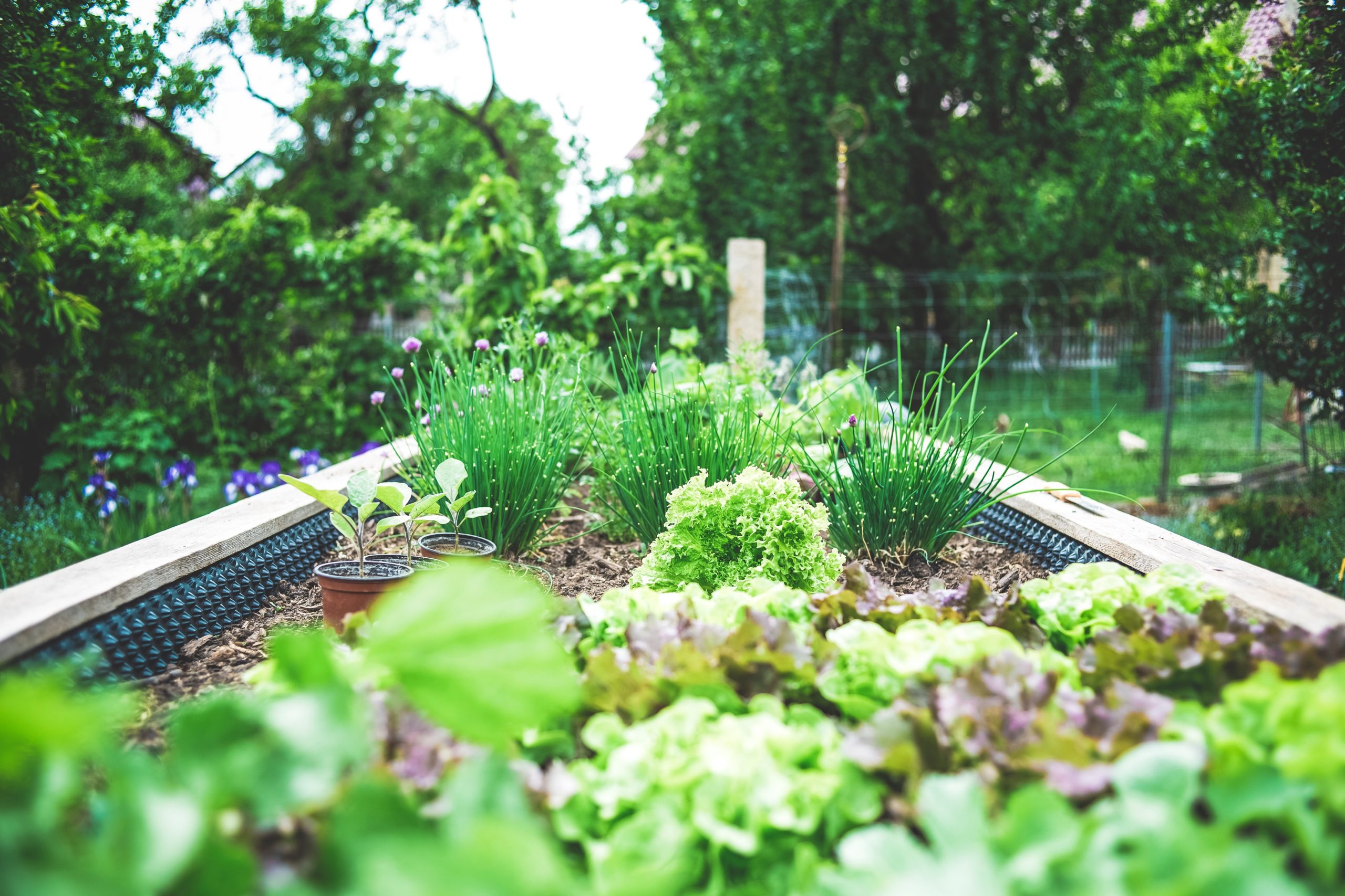
Once you’ve decided what to plant, it’s time to plan your garden layout. You want to make sure that each plant has enough space to grow and that you’re maximizing the use of your available space. Consider using raised beds or containers to make the most of your space.
Step 5: Prepare the Soil
Before you start planting, you need to prepare the soil. This means removing any weeds, rocks, or debris and adding compost or other organic matter to improve the soil’s fertility. You can also have your soil tested to determine its pH level and nutrient content.
Step 6: Plant Your Garden
Finally, it’s time to plant your garden. Follow the planting instructions for each vegetable, making sure to space them out properly and provide them with the right amount of water and sunlight. Consider using companion planting to help deter pests and improve soil health.
Conclusion
Planning and layout are essential to the success of your vegetable garden. By choosing the right location, determining the size of your garden, deciding what to plant, planning your garden layout, preparing the soil, and planting your garden, you can ensure a bountiful harvest. With a little bit of planning and hard work, you can enjoy fresh, homegrown vegetables all season long.





