


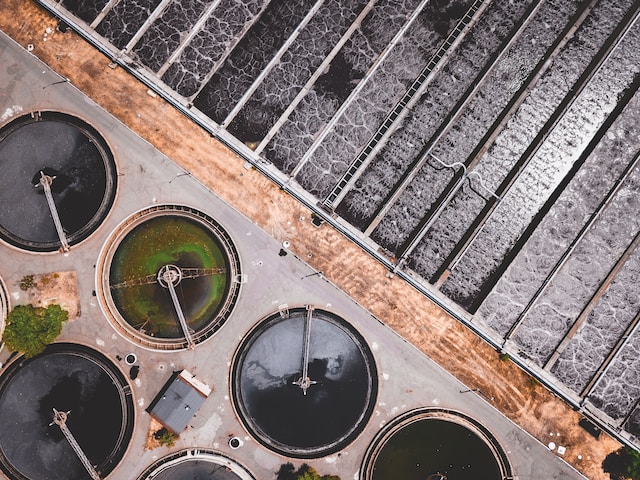

Dive into the Science of Water Treatment: How it Works and Why it Matters
- Science
- April 25, 2023
- No Comment
- 26
Water is an essential resource for life, and it’s important to ensure that the water we use is clean and safe. This is where water treatment comes in. Water treatment involves a series of processes that aim to remove impurities from water, making it safe for consumption and other uses. In this blog post, we will dive into the science of water treatment: how it works, why it matters, and the different methods used. So grab a glass of clean drinking water (thanks to water treatment!), sit back, and let’s explore this fascinating topic together!
What is water treatment?
Water treatment refers to the process of removing impurities and contaminants from water. It is necessary to ensure that water is safe for human consumption, as well as other uses such as irrigation and industrial processes. There are various sources of water, including groundwater, surface water, and rainwater, all of which may contain different types of impurities.
Water treatment involves several steps that vary depending on the source and quality of the water. The first step usually involves screening or filtration to remove large objects such as leaves or debris. Next comes coagulation where chemicals like aluminum sulfate are added to help particles stick together.
The next step in water treatment is sedimentation where these particles settle at the bottom and can be removed by scraping them off. Filtration then follows this step whereby smaller remaining particles are filtered out by passing through sand filters before disinfection occurs using chlorine or ozone gas.
Effective water treatment ensures that we have access to clean drinking water thus reducing illnesses caused by contaminated sources while also promoting sustainability in agriculture industries among others dependent on safe freshwater supplies.
How does water treatment work?
Water treatment is a complex process that involves several steps to purify water and make it safe for consumption. The first step in the process is called coagulation, where chemicals are added to the water to attract dirt and other impurities that are floating around.
Once the impurities have clumped together, they become heavy enough to sink to the bottom of the tank. This sedimentation process separates out larger particles like sand or silt from the water.
After sedimentation, filtration occurs. Water passes through layers of gravel, sand, and charcoal which acts as a filter trapping smaller particles like bacteria, viruses and other microorganisms.
Disinfection is another important step in water treatment. Chemicals like chlorine or ozone are added at this stage to kill any remaining bacteria, viruses or other pathogens present in the water supply.
Clean drinking water can be chemically adjusted with minerals such as fluoride so that it meets health guidelines before being distributed into our homes through pipes.
There are many different methods involved when treating our most precious resource: Water!
Why is water treatment important?
Water treatment plays an essential role in ensuring that our drinking water is safe and healthy. It involves a series of processes aimed at removing impurities, harmful substances, and microorganisms from the water to make it fit for human consumption.
One of the main reasons why water treatment is important is because it helps prevent the spread of waterborne diseases. Water can contain various types of pathogens such as bacteria, viruses, and parasites that can cause illnesses like cholera, typhoid fever, and dysentery. By treating the water with disinfectants like chlorine or ultraviolet light, these harmful organisms are eliminated before they reach our taps.
Water treatment also helps remove contaminants like heavy metals (lead), pesticides, chemicals (fluoride), and pharmaceuticals from the water supply. These substances can have long-term health effects on humans if ingested over time.
Moreover , untreated industrial waste discharged into rivers or lakes could poison nearby communities through their drinking-water sources. Treating wastewater before releasing it back into nature prevents pollution downstream which ultimately protects aquatic life.
In conclusion ,water treatment ensures clean drinking water remains available to everyone by removing pollutants that may contaminate our well-being .
Different types of water treatment methods
Water treatment is a crucial process that ensures the availability of clean and safe drinking water. There are several types of water treatment methods available, each designed to remove specific contaminants from the water.
One common method of water treatment is sedimentation, which involves allowing suspended particles to settle at the bottom of a tank or basin. This process removes large debris and organic matter from the water.
Another popular method is filtration, where chemicals such as chlorine or ozone are added to kill bacteria and viruses in the water. Filtration can also remove dissolved solids such as minerals and salts.
Reverse osmosis is another advanced form of filtration used for desalination purposes. It employs semipermeable membranes that separate salt from seawater through high-pressure systems.
Ultraviolet (UV) irradiation technology uses UV light to disinfect contaminated waters by destroying pathogens present in them. This technique does not require any chemical addition but needs frequent maintenance for optimal performance.
Distillation separates impurities using boiling points differences between different components effectively removing all impurities while retaining pure H2O molecules making this an effective way to produce ultra-pure deionized (DI) or distilled laboratory-grade grades purified waters for scientific applications requiring ultrapure reagent grade aqueous solutions.
These various methods have proven effective in providing potable drinking water globally – with different processes being optimal depending on geographical location- ensuring access to clean safe drinking promotes good health practices among people everywhere!
Conclusion
Water treatment plays a vital role in our daily lives as it ensures that we have access to clean and safe water. The process of water treatment involves various methods such as coagulation, sedimentation, filtration, disinfection, and more. Each method targets different types of contaminants present in the water.
Without proper water treatment processes, drinking contaminated or polluted water can lead to serious health issues like cholera, typhoid fever, and dysentery. Therefore it is crucial to be aware of the importance of treating our wastewater before releasing them back into the environment.
Understanding how water treatment works is essential not only for our well-being but also for conserving natural resources. As individuals responsible for protecting Mother Nature and sustaining life on Earth, we must do everything possible to ensure that every drop counts by using eco-friendly practices in all aspects of life. By doing so today will guarantee a healthier future tomorrow!





