


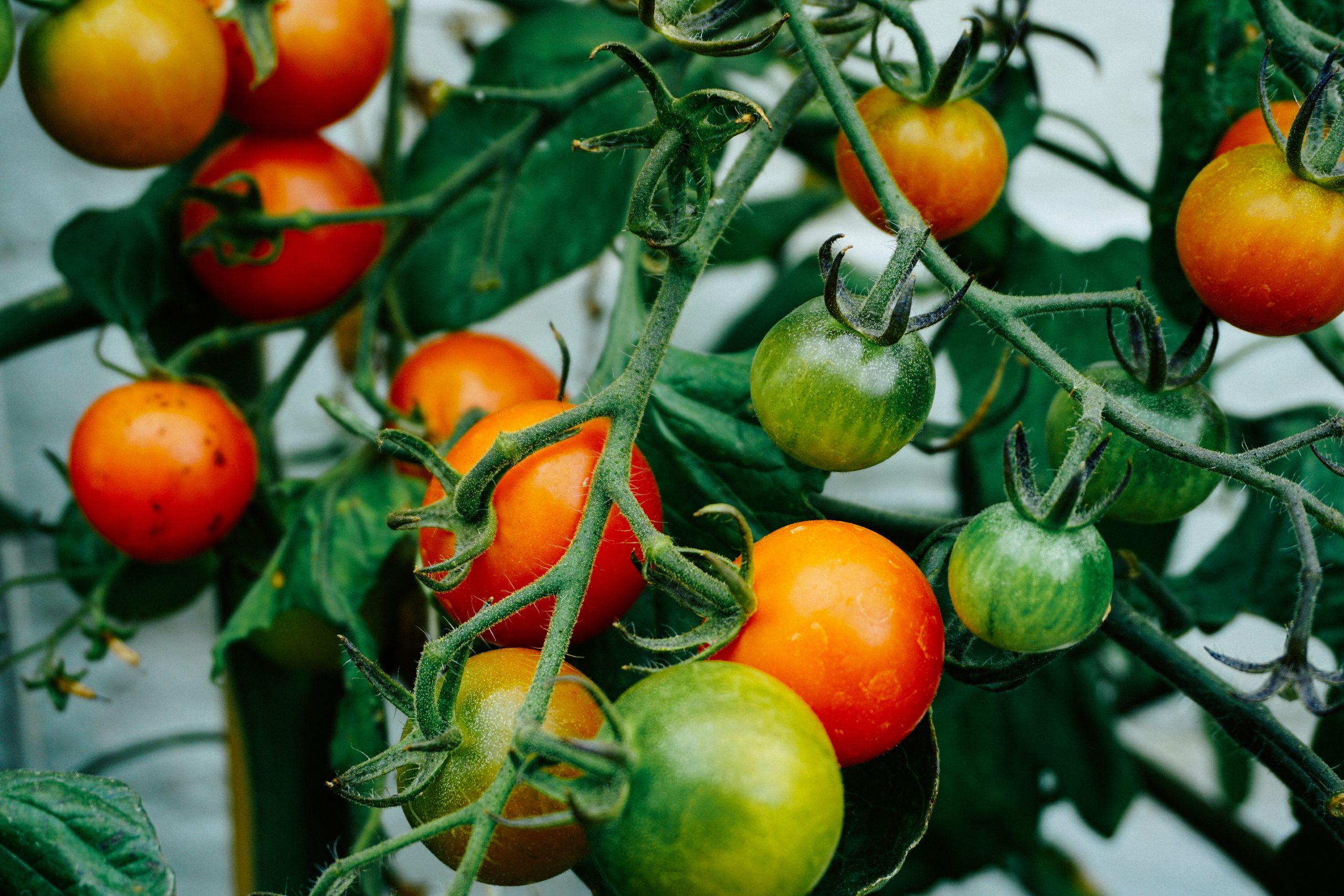

The Sad Truth: Why Fruits and Vegetables Are Less Nutritious Than Ever Before
- health
- April 17, 2023
- No Comment
- 22
As children, we were always told to eat our fruits and vegetables – they’re the key to a healthy diet. But have you ever wondered why these once nutrient-packed foods seem less nutritious than ever before? The hard truth is that our food system is broken, with pesticides and herbicides causing more harm than good. In this blog post, we’ll explore why fruits and vegetables are less nutritious today and what steps you can take to ensure you’re getting the most out of your produce.
The problem with fruits and vegetables today
The problem with fruits and vegetables today is that they are less nutritious than they used to be. The main reason for this is because of the way our food system operates. Fruits and vegetables are often grown in soil that has been depleted of essential nutrients, leading to crops that lack vital vitamins and minerals.
Furthermore, many farmers use pesticides and herbicides on their crops to protect them from pests and diseases. While these chemicals can help increase yields, they also have a negative impact on the nutritional quality of produce. Studies have shown that some pesticides can reduce the levels of important nutrients such as vitamin C, folate, and antioxidants.
In addition to this, many fruits and vegetables are picked before they’re fully ripe so that they can be transported long distances without spoiling. This means that produce doesn’t get a chance to fully develop its nutrient content before being harvested.
There are various reasons why fruits and vegetables aren’t as nutrient-dense as we would like them to be. However, there are still steps you can take to ensure you’re getting enough essential vitamins and minerals from your diet.
How our food system is broken
Our modern food system is broken and it’s affecting the quality of our fruits and vegetables. One major problem is that we’ve become more focused on producing large quantities of crops quickly, rather than ensuring their nutritional value. This means that farmers are using chemicals to boost growth rates which can harm the soil and reduce nutrients.
Another issue with our current food system is the lack of diversity in what we eat. We’re now consuming fewer varieties of produce than ever before, with a limited range available in supermarkets year-round. This reduces our intake of essential vitamins and minerals that come from different types of fruits and vegetables.
Furthermore, there’s a disconnect between consumers and producers when it comes to understanding how food is grown. Consumers have little knowledge about farming methods or where their food comes from while producers are driven by profit margins instead of prioritizing nutrient-rich produce.
Government policies often prioritize corporate interests over public health concerns leading to an unhealthy dependency on monoculture crops that require heavy use of pesticides, herbicides, fertilizers which lead to contamination by these chemicals.
There needs to be significant changes made within our food system if we want access to nutritious fruits and vegetables for generations to come.
The impact of pesticides and herbicides
Pesticides and herbicides have been used for decades to increase crop yields and protect plants from pests. However, their excessive use has led to alarming consequences.
Firstly, pesticides and herbicides contaminate the soil in which fruits and vegetables are grown. These chemicals can linger in the ground for years, reducing the nutritional value of crops. Studies have shown that produce grown in pesticide-laden soil contains fewer vitamins and minerals than organic produce.
Secondly, these chemicals also affect our health when we consume them through food. Pesticides have been linked to cancer, hormone disruption, reproductive issues, asthma, and neurological disorders.
Furthermore, overuse of pesticides leads to resistance among pests. This means farmers must use even stronger chemicals or more frequent applications which only exacerbates the problem.
To combat this issue as consumers we should opt for organically produced fruits and vegetables whenever possible. Additionally washing all produce thoroughly with a mix of vinegar/water can help reduce surface contamination levels significantly.
What you can do to eat healthier fruits and vegetables
When it comes to eating healthier fruits and vegetables, one thing you can do is opt for locally grown produce. Local farmers often use fewer pesticides and herbicides than large commercial farms, which means the produce may be more nutritious.
Another option is to choose organic fruits and vegetables. While they may be slightly more expensive, they are free of harmful chemicals that can affect your health over time. Plus, studies have shown that organic produce contains higher levels of certain nutrients.
You can also consider adding a variety of colors to your diet. Different colored fruits and vegetables offer different nutritional benefits due to their unique nutrient profiles. For example, red tomatoes contain lycopene which has been linked to a reduced risk of cancer while leafy greens contain folate which supports brain function.
Try incorporating frozen or canned fruits and vegetables into your diet if fresh options are not available or too expensive. They are often harvested at peak ripeness when nutrient levels are highest and can retain much of their nutrient content even after processing.
By making these small changes in your shopping habits, you can ensure that you’re getting the most nutrition out of the fruits and vegetables you consume on a regular basis!
Conclusion
To conclude, the sad truth is that fruits and vegetables are less nutritious than ever before due to our broken food system. The use of pesticides and herbicides has led to soil depletion, which ultimately affects the nutritional value of the produce we consume. However, there are ways we can make healthier choices such as opting for organic produce or growing our own fruits and vegetables.
It’s time for us to take responsibility for what goes into our bodies and demand a change in the current food system. By doing so, we can ensure that future generations have access to nutrient-rich foods that promote overall health and wellbeing. Let’s strive towards a healthier future by making informed decisions about what we eat!





