



Don’t Get Caught Off Guard: Understanding These 8 Key Costs When Launching Your Eatery
- Business industrial
- April 20, 2023
- No Comment
- 30
Welcome to the exciting world of food entrepreneurship! Starting your own eatery can be an incredibly fulfilling and profitable venture, but it’s not without its challenges. One of the most important aspects of launching a restaurant is understanding the various costs involved in getting up and running. From location scouting to initial inventory, there are several key expenses that you need to prepare for if you want your business to thrive from day one. In this blog post, we’ll dive into eight essential costs that every aspiring restaurateur should know about before opening their doors. Don’t get caught off guard – read on and start planning today!
Location
Choosing the right location for your eatery is crucial to its success. The perfect spot will attract customers and help you build a loyal following, while a poorly chosen location could mean an uphill battle from the start.
To begin with, consider what type of restaurant you’re opening and who your target audience is. Are you hoping to attract families or young professionals? Will your concept work better in a trendy urban neighborhood or a more suburban area?
Once you’ve narrowed down some potential locations, it’s time to get specific. Look at foot traffic patterns – are there plenty of people passing by throughout the day? Is parking easily accessible for customers? What’s the competition like in the area?
Of course, different areas come with different price tags when it comes to rent. While it may be tempting to opt for a cheaper space outside of town, keep in mind that being located near other popular businesses can actually help drive sales.
Ultimately, choosing the right location requires careful consideration and research. Take your time and don’t rush into any decisions until you’ve thoroughly explored all of your options.
Rent
Rent is one of the biggest expenses when launching a new eatery. The location and size of your restaurant will play a big role in determining the rent that you’ll have to pay each month. You should consider both short-term and long-term leases when searching for a space.
Short-term leases give you more flexibility, but they may come at a higher cost. On the other hand, long-term leases can provide more stability and lower costs over time, but they also lock you into a fixed location for an extended period.
When negotiating your lease agreement, be sure to read all fine print carefully and understand any hidden fees or charges that may come up later on. Make sure you factor in rent increases as well – landlords often include clauses in their contracts allowing them to raise rent after certain periods of time.
Ultimately, finding the right balance between location, size and cost will help ensure that your business has enough cash flow to cover this significant expense while still having enough left over for other important aspects like marketing and inventory management.
Construction
One of the most important aspects to consider when launching an eatery is the construction cost. This includes everything from permits and licenses to actual building materials and labor costs.
Firstly, it’s important to secure any necessary permits and licenses before starting construction. These can vary depending on location and type of establishment, so be sure to research the requirements for your specific area.
Once permits are obtained, you’ll need to factor in the cost of building materials such as lumber, drywall, electrical wiring, plumbing fixtures, flooring materials and more. Labor costs will also play a significant role in your overall construction expenses.
It’s essential that you work with a reputable general contractor who has experience in restaurant build-outs. They can help guide you through this process while ensuring that all local codes are met.
Another crucial aspect is creating a design plan that maximizes your space while still providing an inviting atmosphere for customers. This may include seating arrangements or customized features unique to your brand identity.
Ultimately, understanding these key aspects of construction will help prevent unexpected surprises during the launch phase of your eatery.
Equipment
When launching your eatery, one of the most significant costs you will face is equipment. The right equipment can make a world of difference in ensuring that your kitchen runs smoothly and efficiently. However, failing to budget for equipment costs can be detrimental to the success of your restaurant.
Before purchasing any equipment, it’s essential to identify what items are necessary for your specific business needs. This involves taking into account factors such as menu offerings and volume of customers served daily.
When shopping around for equipment suppliers, it’s important to do thorough research and compare prices from various sources. While opting for cheaper options may seem like an easy way out, investing in quality products upfront can save you money down the line on costly repairs or replacements.
Additionally, maintenance costs should also be taken into consideration when budgeting for equipment expenses. Ensuring that all pieces are well-maintained not only extends their lifespan but also reduces the likelihood of unexpected breakdowns during peak service hours.
While purchasing new equipment may seem like a daunting expense at first glance, careful planning and investment can set up your eatery for long-term success.
Furniture
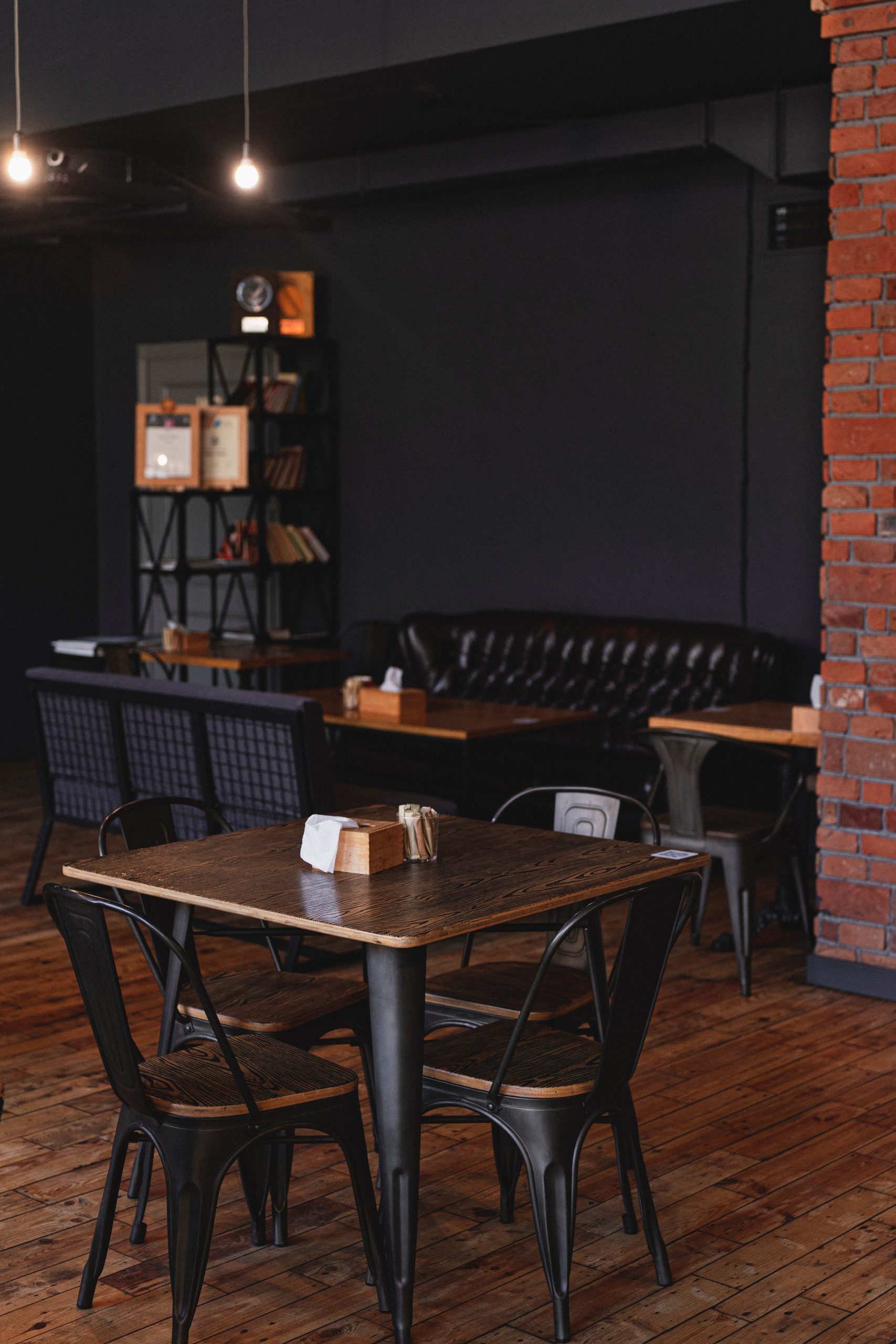
When it comes to launching your eatery, furniture can be a significant cost that you may not have initially considered. However, investing in quality furniture is essential for creating the right ambiance and setting the tone for your establishment.
Firstly, consider the type of tables and chairs that would be suitable for your restaurant’s layout. The size of these items will depend on how you want to utilize space and create comfort for diners. Also, think about materials that are durable and easy to clean.
Investing in comfortable seating is crucial since customers can spend hours dining at your restaurant. Consider booths or sofas as an alternative to traditional table setups if they fit with your décor theme.
Lighting fixtures should also be included in this category as they play a vital role in creating the mood inside your eatery. You must find lighting options that complement the overall style and ambiance you want to achieve while being energy-efficient.
In summary, don’t underestimate the importance of furniture when launching an eatery. Properly planning this aspect could enhance customer experience and increase repeat business through positive word-of-mouth recommendations from satisfied guests.
Smallwares
Smallwares may sound insignificant, but they are the essential tools your restaurant needs to operate efficiently. These include items such as utensils, plates, glassware, napkins and more. While this category of expenses might seem small compared to others on this list, it’s important not to underestimate their impact.
Investing in quality smallwares can save you money in the long run by reducing replacement costs and improving operational efficiency. For instance, purchasing durable stainless steel flatware instead of cheaper plastic alternatives can save you from constantly having to replace them due to breakage or wear and tear.
When budgeting for smallwares expenditures, consider all aspects of your restaurant’s operation – from front-of-house service items like wine openers and bottle stoppers to back-of-house necessities like food storage containers and kitchen timers. Don’t forget about cleaning supplies too; investing in high-quality products will help maintain cleanliness standards while also extending the lifespan of other equipment.
While these may be smaller purchases than many others on this list, they still deserve a place in any restaurateur’s budget plan – so don’t get caught off guard!
Initial Inventory
When it comes to launching a new eatery, one of the key costs that can often be overlooked is the initial inventory. This refers to all the food and drinks that you need to purchase before opening your doors for business.
Your initial inventory will vary depending on your menu, but it’s important to remember that you’ll need enough stock to last at least a few weeks while you establish your supply chain and gauge customer demand.
When planning your initial inventory, it’s crucial to take into account any seasonal or perishable items such as fresh herbs or seafood. You don’t want to overstock on these items only for them to go bad before they can be used.
Another factor to consider is portion sizes. You don’t want to run out of ingredients halfway through service because you’ve been serving portions that are too large.
When purchasing your initial inventory try not skimp on quality in order save money. Customers will notice if their meals aren’t up-to-scratch and this could harm your reputation before you even get started!
Operating Costs
As you can see, launching an eatery involves much more than just serving delicious food. From finding the perfect location to purchasing equipment and hiring staff, there are many costs to consider before opening your doors.
One of the most important and ongoing costs is operating expenses. This includes everything from utilities and maintenance to payroll and marketing. You’ll need to budget for these expenses carefully in order to keep your business running smoothly.
Don’t forget that unexpected costs may arise as well, so it’s always a good idea to have some extra funds set aside as a cushion.
By understanding all of these key costs involved in launching your eatery, you’ll be better prepared for success. With careful planning, smart budgeting, and hard work, you can turn your passion for food into a thriving business.





