


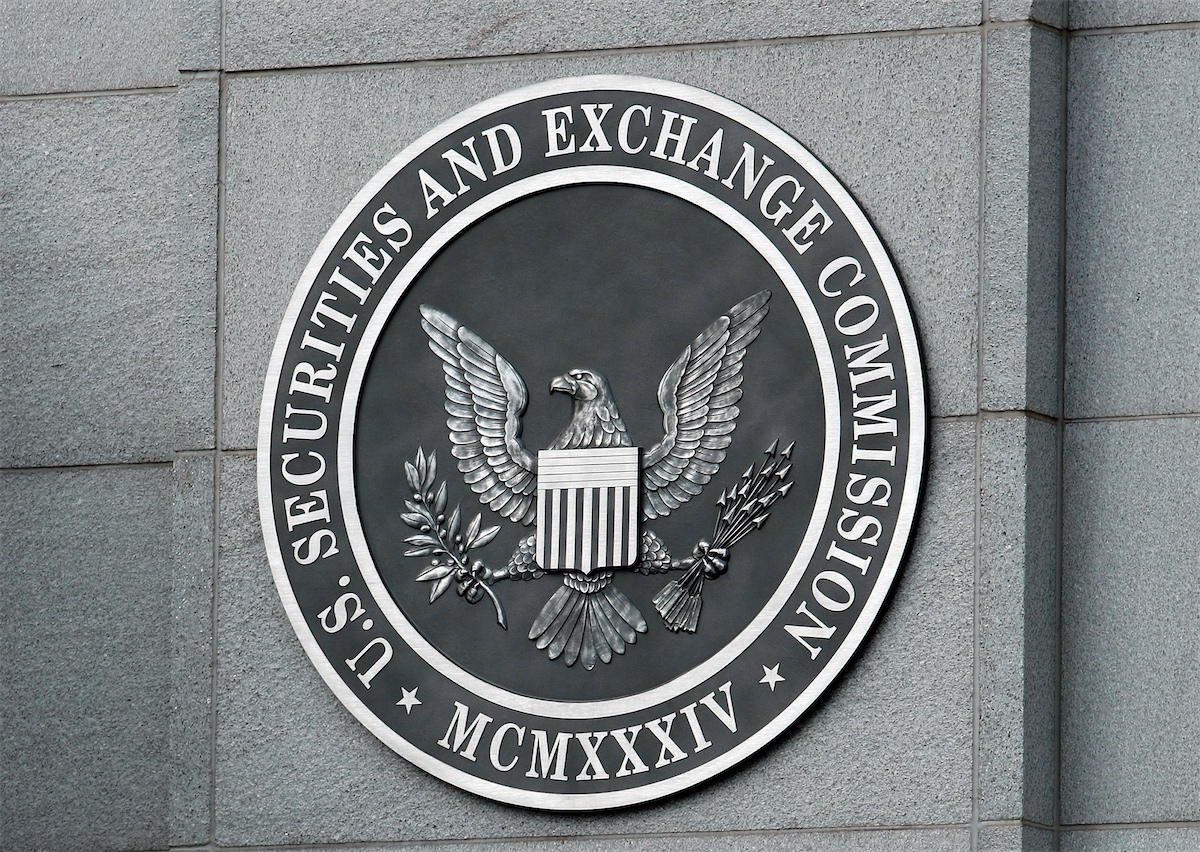

High Stakes: US Supreme Court Set to Examine Challenge to SEC’s In-House Courts
- Finance
- November 29, 2023
- No Comment
- 34
Introduction
In a significant legal showdown, the United States Supreme Court is poised to examine a challenge to the Securities and Exchange Commission’s (SEC) utilization of in-house courts. This development adds a layer of complexity to regulatory proceedings and sparks debates about the fairness and constitutionality of such forums. In this article, we will unravel the intricacies of this legal challenge and explore the potential ramifications.
The Genesis of the Challenge
The challenge to the SEC’s in-house courts centers around concerns of due process and impartiality. Critics argue that the current system, where the SEC acts as both prosecutor and judge in certain cases, may compromise the fairness of proceedings. John Anderson, a leading constitutional law expert, emphasizes, “This challenge raises fundamental questions about the separation of powers and the constitutional rights of those subject to regulatory actions.”
Key Arguments on the Table
The challenge brings forth several key arguments that will echo in the hallowed halls of the Supreme Court:
- Constitutional Fairness: Critics contend that the current structure violates the constitutional guarantee of due process, as respondents may be denied an impartial tribunal.
- Double Role of the SEC: The dual role of the SEC as prosecutor and adjudicator is under scrutiny. The argument questions whether this concentration of power is inherently prejudicial.
- Impact on Enforcement Actions: A ruling in favor of the challenge could have profound implications for how the SEC pursues enforcement actions, potentially altering the regulatory landscape.
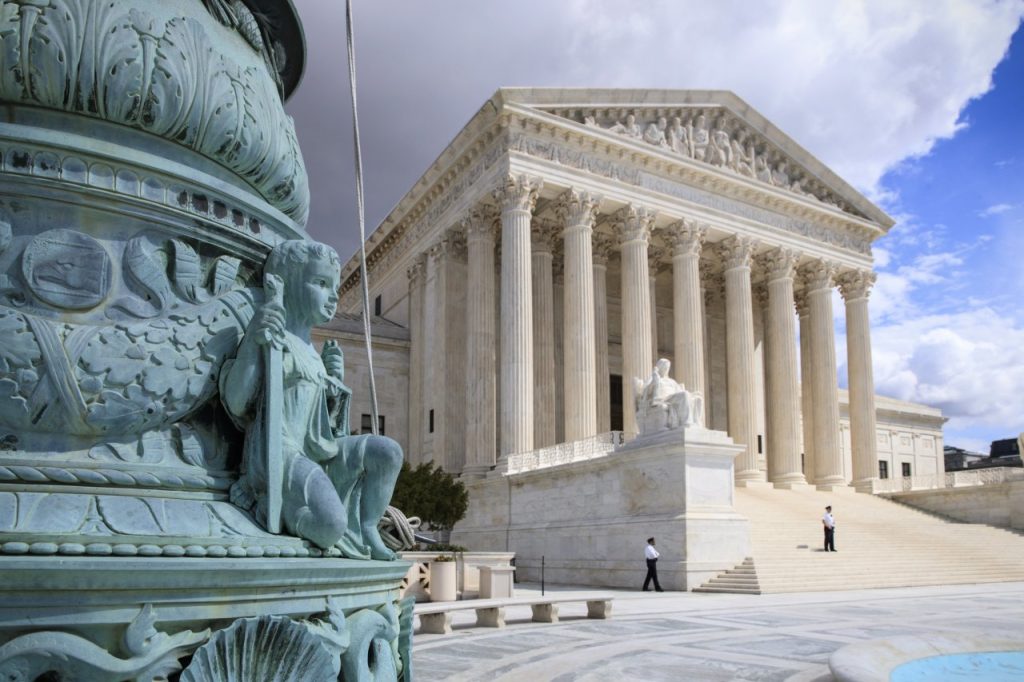
Legal Landscape: Precedents and Precedence
Anderson delves into historical precedents and their potential impact on the Supreme Court’s decision. “This challenge is not without context,” he notes. “Past decisions on administrative tribunals and due process will undoubtedly shape the Court’s considerations.”
Potential Outcomes: Insights from Legal Experts
| Outcome | Implications |
|---|---|
| Ruling in Favor of SEC | Reinforces regulatory efficiency but sparks concerns about due process. |
| Ruling in Favor of Challenger | Could lead to a significant overhaul of SEC’s enforcement mechanisms, impacting regulatory procedures. |
The Broader Implications for Regulatory Proceedings
Beyond the immediate legal implications, the Supreme Court’s decision may set a precedent for regulatory bodies’ procedures and structures. It could prompt a reevaluation of how financial regulatory agencies conduct enforcement actions, influencing the delicate balance between efficiency and fairness.
Conclusion: Navigating the Legal Crossroads
As the US Supreme Court prepares to weigh in on this pivotal challenge to the SEC’s in-house courts, the legal and financial communities stand at a crossroads. The outcome has the potential to reshape regulatory procedures and redefine the boundaries of due process in administrative law. Stay tuned as we unravel the legal drama and analyze the profound implications of this landmark Supreme Court case.





