



Economic and Environmental Impact of Food Waste in America: Unveiling the Hidden Costs
- FoodFood Drinkhealth
- November 10, 2023
- No Comment
- 32
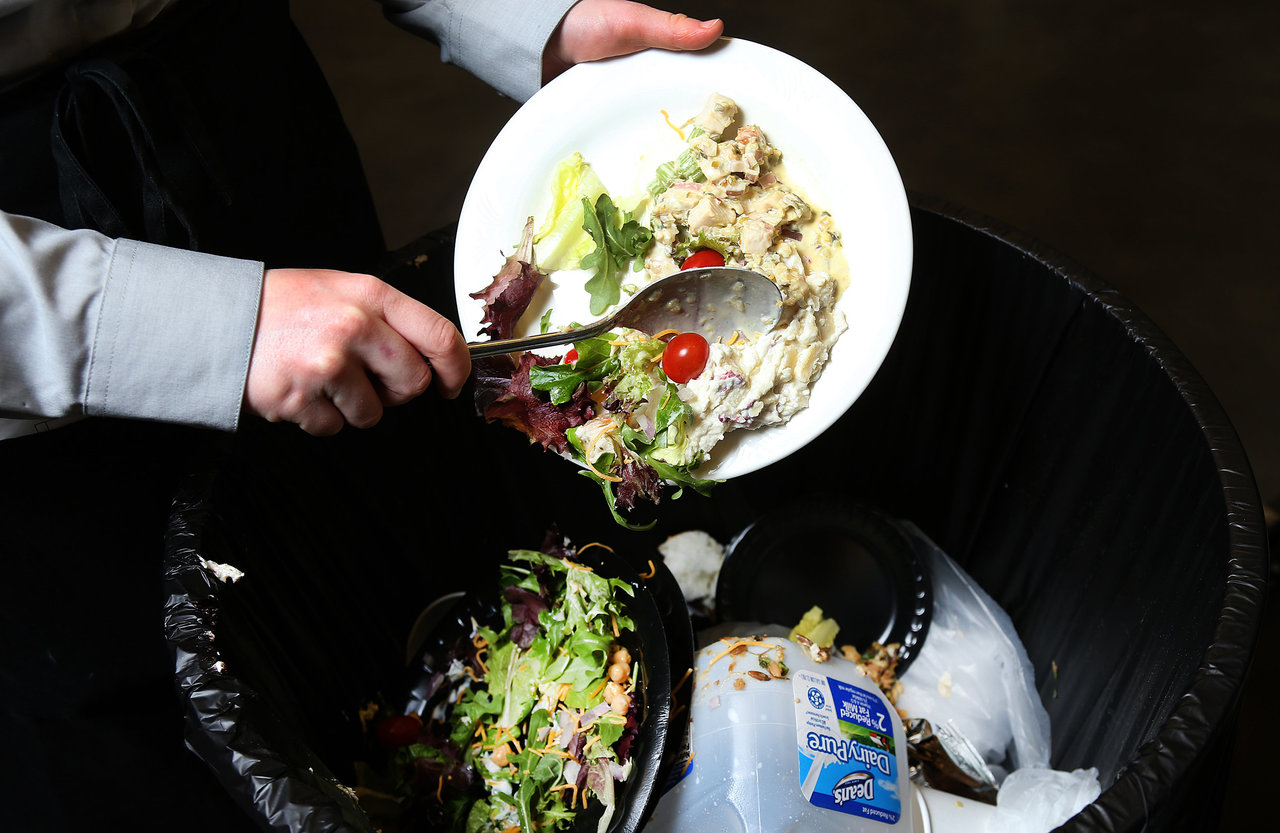
In the land of plenty, where abundance meets excess, a silent crisis unfolds – the staggering economic and environmental toll of food waste. This exploration delves into the profound consequences, from overflowing landfills to escalating greenhouse gas emissions, shedding light on the high-cost America pays for its wasteful food culture.
1. The Financial Burden: Businesses and Consumers Counting the Losses
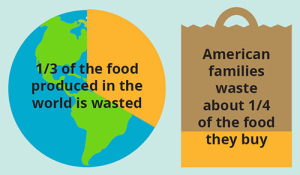
Food waste exacts a hefty toll on both businesses and consumers. Supermarkets, restaurants, and farms experience substantial financial losses as unsold or discarded food translates into wasted resources. For consumers, the economic impact extends beyond the checkout counter, contributing to higher prices as businesses aim to recover their losses.
This section will delve into the financial ramifications of food waste, revealing the intricate web of economic consequences that reverberate through the supply chain.
2. Landfills Overflowing: A Graveyard for Edible Potential
As discarded food finds its final resting place in landfills, a troubling narrative unfolds. Decomposition in landfills produces methane, a greenhouse gas far more potent than carbon dioxide. The scale of food waste exacerbates this environmental menace, contributing to climate change and its cascading effects.
This segment will explore the environmental impact of food waste on landfills, emphasizing the urgent need for waste reduction strategies to mitigate these harmful consequences.
3. Greenhouse Gas Emissions: A Silent Culprit of Climate Change
Methane emissions from decomposing organic waste play a significant role in climate change. This section will provide an in-depth analysis of how food waste contributes to greenhouse gas emissions, drawing attention to the need for sustainable waste management practices to curb its environmental impact.
4. Resource Depletion: Squandering Earth’s Precious Resources
The production and distribution of food require vast amounts of resources – water, energy, and arable land. When food goes to waste, these resources are squandered, exacerbating the strain on our planet’s ecosystems. This section will explore the ripple effect of food waste on resource depletion and the urgent call for a more sustainable approach to consumption.
5. Solutions for a Greener Future: From Policy to Individual Action
While the economic and environmental consequences of food waste are dire, there is hope in transformative solutions. This section will highlight initiatives at various levels, from policy changes promoting responsible waste management to individual actions fostering a culture of mindful consumption.
From composting programs to innovations in food preservation, a range of strategies exists to mitigate the impact of food waste on both the economy and the environment.

Conclusion: Charting a Course Towards Sustainability
As we confront the high cost of food waste in America, it becomes evident that the true price extends far beyond the dollars lost. The environmental toll on our planet is immeasurable, and the economic burden is one we can no longer afford to bear.
This exploration serves as a call to action, urging businesses, policymakers, and individuals to reevaluate their roles in the wasteful narrative. By adopting sustainable practices, supporting initiatives that combat food waste, and embracing a culture of mindful consumption, we can collectively chart a course towards a greener, more sustainable future for America and the world.





