


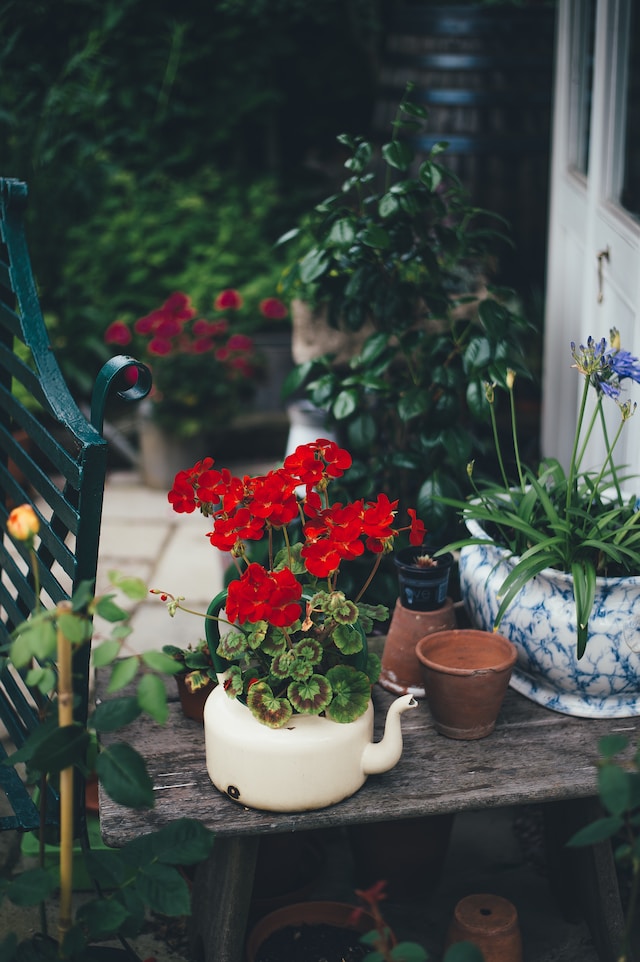

Maximizing Your Garden Space: Tips for Small-Space Gardening
- HOME Garden
- June 19, 2023
- No Comment
- 22
Introduction: Gardening is a rewarding and fulfilling hobby that allows you to connect with nature and enjoy the beauty of plants. However, not everyone has access to a large backyard or expansive outdoor space. If you’re limited on space but still want to indulge in gardening, fear not! With a little creativity and planning, you can maximize your garden space and create a lush oasis even in the smallest of areas. In this article, we will explore some tips and tricks for small-space gardening.
-
Choose the Right Plants: When space is limited, it’s crucial to choose plants that are well-suited for small gardens. Opt for compact varieties of vegetables, herbs, and flowers that don’t require much space to thrive. Look for plants labeled as “dwarf,” “patio,” or “bush” varieties. These plants are bred to grow in smaller spaces and often have a more compact growth habit.
-
Vertical Gardening: One of the most effective ways to maximize your garden space is by utilizing vertical gardening techniques. Vertical gardening involves growing plants vertically, either on walls, trellises, or hanging baskets. This technique not only saves space but also adds visual interest to your garden. Vining plants like tomatoes, cucumbers, and beans are perfect for vertical gardening. You can also grow herbs and flowers in hanging baskets or wall-mounted planters.
-
Container Gardening: Containers are a small-space gardener’s best friend. They allow you to grow plants in limited space and can be easily moved around to optimize sunlight exposure. Choose containers of different sizes and shapes to add variety to your garden. Make sure the containers have drainage holes to prevent waterlogging. You can grow a wide range of plants in containers, including vegetables, herbs, flowers, and even small fruit trees.
-
Utilize Raised Beds: Raised beds are an excellent option for small-space gardening. They provide better soil drainage, prevent soil compaction, and make it easier to control weeds. Raised beds also allow you to grow more plants in a smaller area. You can build raised beds using wood, bricks, or even repurposed materials like old pallets. Fill them with nutrient-rich soil and start planting your favorite vegetables and flowers.





