


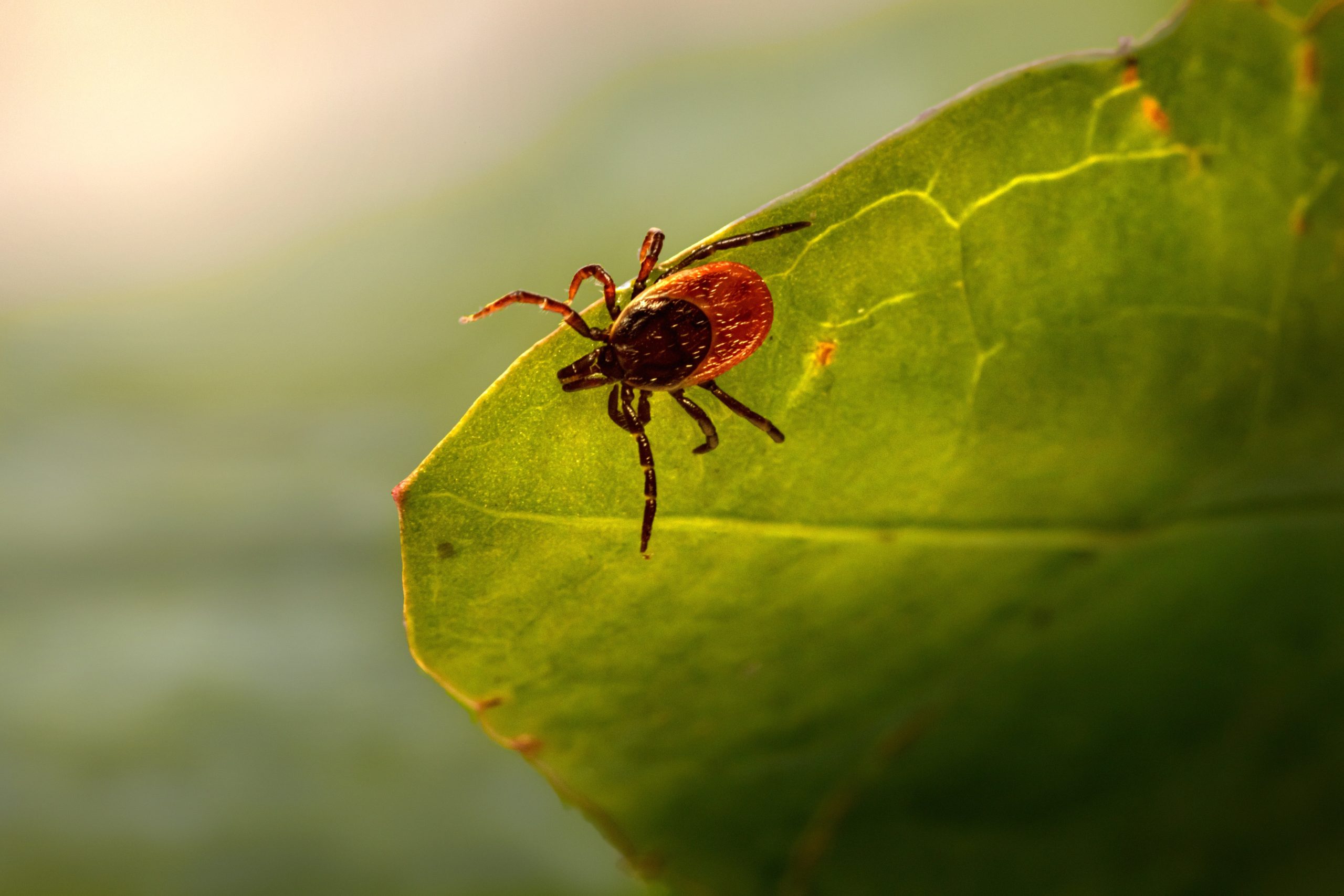

Protecting Yourself from the Tick-Borne Disease Epidemic in the Northeast
- health
- March 16, 2023
- No Comment
- 23
Attention Northeasterners! Are you planning on enjoying the great outdoors this summer? Whether it’s hiking, camping or just a leisurely stroll in the park, beware of the tiny yet dangerous tick. Tick-borne diseases are becoming increasingly common in the Northeast and can have serious consequences if not properly prevented and treated. In this blog post, we’ll explore how to protect yourself against these pesky parasites and stay safe while enjoying all that nature has to offer.
What is the Tick-Borne Disease Epidemic?
The Tick-Borne Disease Epidemic refers to the increase in cases of tick-borne diseases in the Northeast United States. These diseases include Lyme disease, anaplasmosis, and babesiosis.
Lyme disease is the most common tick-borne disease in the United States. It is caused by the bacterium Borrelia burgdorferi and is transmitted to humans through the bite of an infected blacklegged tick. Lyme disease can cause a wide range of symptoms, including fever, headache, fatigue, and a characteristic bull’s-eye rash. If left untreated, Lyme disease can spread to other parts of the body and cause more serious problems, such as meningitis or heart problems.
Anaplasmosis is another tick-borne disease that is on the rise in the Northeast United States. Anaplasmosis is caused by the bacterium Anaplasma phagocytophilum and is transmitted to humans through the bite of an infected blacklegged tick. Symptoms of anaplasmosis include fever, chills, headache, muscle aches, and nausea. If left untreated, anaplasmosis can lead to more serious complications such as pneumonia or kidney failure.
Babesiosis is a malaria-like illness that is caused by parasites that are transmitted to humans through the bite of an infected blacklegged tick. Symptoms of babesiosis include fever, chills, sweats, headache, muscle aches, and
The Different Types of Ticks
There are many different types of ticks, but the most common in the Northeast are the deer tick and the dog tick. The deer tick is the most dangerous because it can transmit Lyme disease, which is a serious illness that can cause a rash, fever, and joint pain. The dog tick is less dangerous but can still transmit diseases such as Rocky Mountain spotted fever. There are also other less common ticks in the Northeast such as the brown dog tick and the lone star tick.
How to Prevent Tick Bites
Ticks are small, parasitic creatures that feed on the blood of mammals, reptiles, and birds. They are often found in woods and fields, and can attach themselves to humans and animals that brush past them. Ticks can transmit a number of diseases to their hosts, including Lyme disease, Rocky Mountain spotted fever, and tularemia.
There are a few simple steps you can take to avoid being bitten by a tick:
* Avoid walking through tall grass or wooded areas where ticks are likely to be present.
* Wear light-colored clothing so that ticks are easier to spot.
* Wear long pants and long-sleeved shirts to keep ticks from having direct access to your skin.
* Use an insect repellent that contains DEET or permethrin on exposed skin.
* Inspect your body for ticks after spending time outdoors, and remove any ticks that you find promptly.
Symptoms of Tick-Borne Diseases
There are a variety of tick-borne diseases that are prevalent in the Northeast, and each one has its own set of symptoms. Here are some of the most common symptoms associated with these diseases:
Lyme Disease: Lyme disease is caused by the bacterium Borrelia burgdorferi and is transmitted to humans through the bite of an infected black-legged tick. The initial symptoms of Lyme disease include fever, headache, fatigue, and a characteristic bull’s-eye rash. If left untreated, Lyme disease can spread to the joints, heart, and nervous system and can be debilitating.
Anaplasmosis: Anaplasmosis is caused by the bacterium Anaplasma phagocytophilum and is transmitted to humans through the bite of an infected black-legged tick. Symptoms of anaplasmosis include fever, chills, headache, muscle aches, and nausea. In severe cases, anaplasmosis can lead to kidney failure or respiratory distress.
Babesiosis: Babesiosis is caused by the protozoan parasite Babesia microti and is transmitted to humans through the bite of an infected black-legged tick. Symptoms of babesiosis include fever, chills, sweats, body aches, and fatigue. In severe cases, babesiosis can cause hemolytic anemia (a breakdown of red blood cells).
Ehrlichiosis: Ehrlichiosis is caused by the
Treatment for Tick-Borne Diseases
Ticks are small, bloodsucking parasites that can transmit diseases to humans and animals. Tick-borne diseases are a serious public health problem in the United States, particularly in the Northeast.
There are many different types of tick-borne diseases, and each one requires its own specific treatment. The most common tick-borne disease in the Northeast is Lyme disease, which is caused by the bacterium Borrelia burgdorferi. Lyme disease can be difficult to diagnose and treat, so it’s important to see a healthcare provider if you think you may have been exposed to ticks.
Other common tick-borne diseases in the Northeast include anaplasmosis (caused by the bacterium Anaplasma phagocytophilum), babesiosis (caused by the protozoan Babesia microti), and Rocky Mountain spotted fever (caused by the bacterium Rickettsia rickettsii). These diseases can also be serious, so it’s important to seek medical attention if you think you may have been exposed to ticks.
There is no one-size-fits-all approach to preventing or treating tick-borne diseases. However, there are some general tips that can help reduce your risk of exposure to ticks and improve your chances of successful treatment if you do become infected:
• Use insect repellent on exposed skin when spending time outdoors in areas where ticks are prevalent. Repellents containing DEET, picar
When to See a Doctor
If you are experiencing any of the following symptoms, you should see a doctor as soon as possible:
-Fever
-Chills
-Body aches
-Joint pain
-Headache
-Rash
Conclusion
Protecting yourself from the tick-borne disease epidemic in the Northeast requires taking steps that reduce your risk of being bitten by infected ticks. Use insect repellent, wear protective clothing when outdoors, and check for ticks on your clothing and skin after returning home. If you develop symptoms of a tick-borne illness, contact your health care provider as soon as possible to help ensure proper diagnosis and treatment. By following these guidelines, we can all do our part to protect ourselves from this dangerous epidemic.





