



The Surprising Foods Squirrels Eat
- Pet and animal
- May 19, 2023
- No Comment
- 22
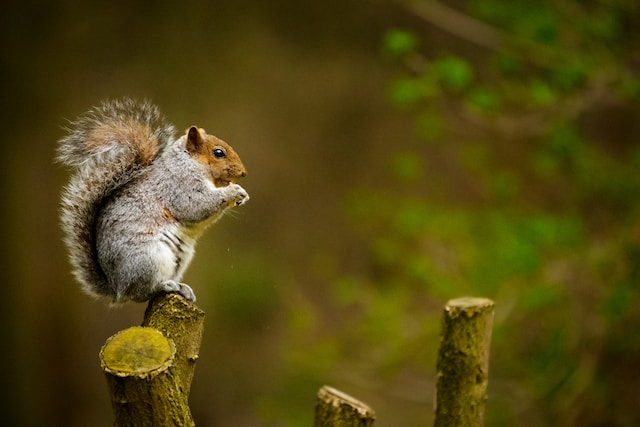
Introduction: When picturing a squirrel’s diet, images of nuts and seeds often come to mind. However, these resourceful creatures are known to surprise us with their diverse palate. In this article, we delve into the surprising foods squirrels eat, exploring their consumption of insects, fungi, and more, highlighting their adaptability and ability to utilize a variety of food sources.
- Insects: Tiny Protein Powerhouses While squirrels are primarily associated with a plant-based diet, they are not averse to supplementing their meals with insects. Insects provide squirrels with a valuable protein source, contributing to their overall nutrition and well-being. Squirrels opportunistically consume insects such as beetles, caterpillars, grasshoppers, and even occasional spiders. This insectivorous behavior allows squirrels to diversify their diet and fulfill their protein requirements.
- Fungi: Nature’s Hidden Delicacies Squirrels have a keen ability to discover and consume a wide variety of fungi. Fungi offer squirrels an additional food source, rich in nutrients and medicinal properties. Mushrooms, truffles, and other types of fungi make their way into a squirrel’s diet, providing carbohydrates, vitamins, and minerals. Squirrels help disperse fungal spores through their foraging activities, contributing to the propagation and diversity of fungal species.
- Bird Eggs and Nestlings: Opportunistic Foragers In certain circumstances, squirrels display opportunistic behavior by targeting bird eggs and nestlings. Although it is less common for squirrels to consume bird eggs and nestlings, there have been documented instances of such behavior. This opportunistic foraging is believed to occur when squirrels face limited food resources or when presented with the opportunity due to vulnerable nests. It is important to note that such behavior does not represent the typical dietary preferences of squirrels.
- Human Food Scraps: Urban Foragers In urban environments, squirrels often come across human food scraps, which they may consume as a part of their diet. Human-provided food, such as discarded fruits, vegetables, and nuts, can serve as an additional food source for squirrels. While squirrels can adapt to consuming these foods, it is crucial to remember that human food should not be intentionally provided as it can disrupt their natural diet and behavior.
- Adaptable Foragers: Nature’s Nutritional Explorers Squirrels’ ability to incorporate such a diverse range of foods into their diet highlights their adaptability and resourcefulness as foragers. Their willingness to explore and consume various food sources allows them to adapt to changing environments and cope with fluctuations in resource availability. This adaptability underscores their survival skills and ecological significance within their respective habitats.
Conclusion: While nuts and seeds remain the cornerstone of a squirrel’s diet, these resourceful creatures demonstrate surprising flexibility in their food choices. From insects and fungi to opportunistic foraging and even human food scraps, squirrels showcase their adaptability and willingness to explore various food sources. By embracing this diverse diet, squirrels enhance their chances of survival and contribute to the balance and resilience of their ecosystems.





