



Unlocking the Secrets of Keloid Scars: A Comprehensive Guide
- Beauty Fitness
- September 11, 2023
- No Comment
- 32
Introduction:
Keloid scars, those raised and often painful skin formations that extend beyond the boundaries of the original wound, can be a source of physical discomfort and emotional distress for many individuals. However, understanding these scars inside out is the first step towards effective management and, ultimately, a scar-free life. In this comprehensive guide, Dr. Marion Elizabeth Fesmire, a renowned dermatologist with over two decades of experience, will take you on a journey from the basics to advanced treatments, providing you with the knowledge and strategies needed to conquer keloid scars.
What Are Keloid Scars?
Unraveling the mystery behind keloid scars and what sets them apart from other scar types.
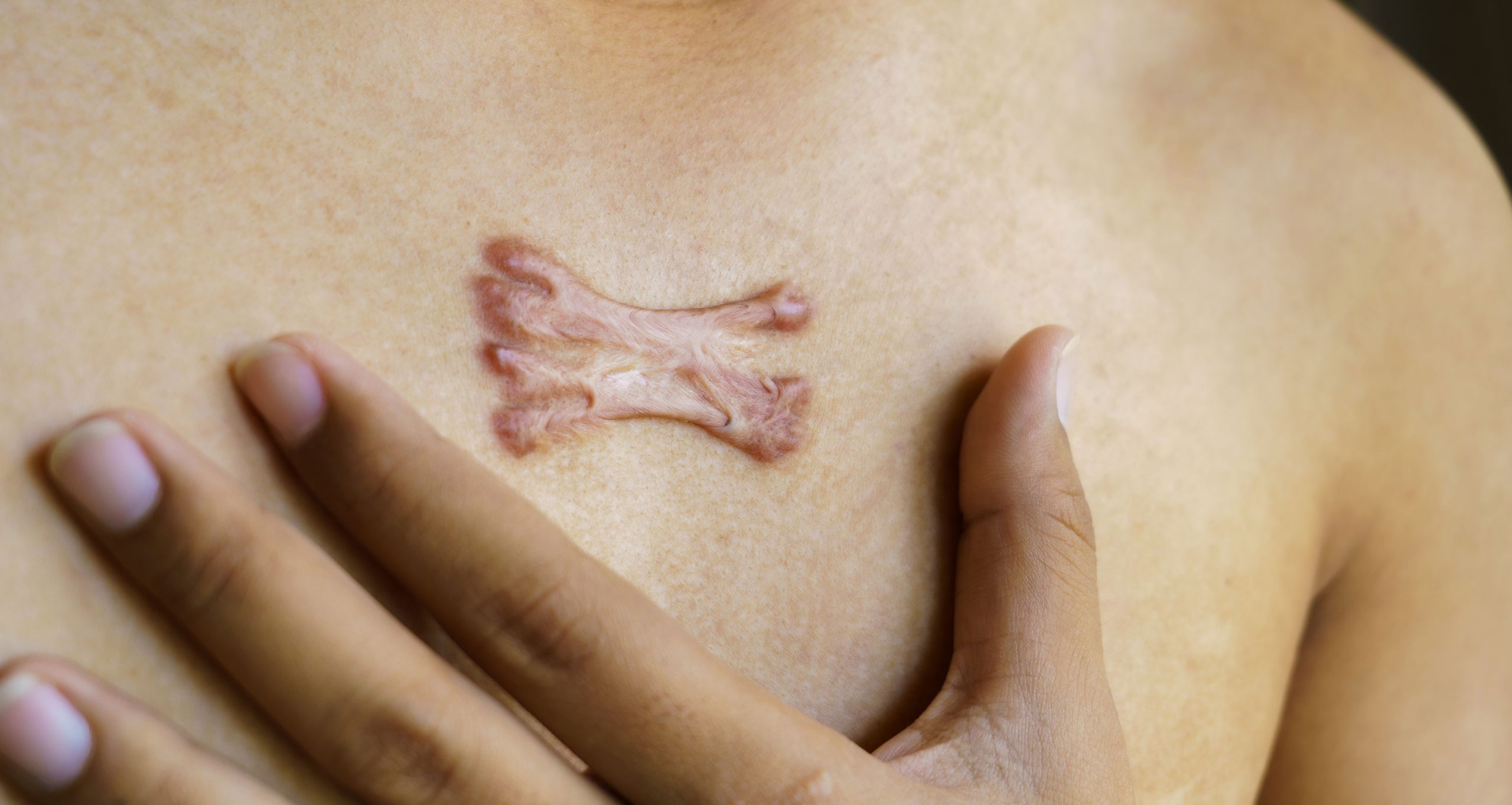
When it comes to scars, keloids are in a league of their own. Unlike the typical scars we encounter, such as those from a small cut or surgical incision, keloids are characterized by their propensity to grow beyond the boundaries of the original wound. They can appear raised, red, and even itchy, causing significant discomfort for those who bear them.
Understanding what distinguishes keloid scars from other scar types is crucial. While most scars form as a natural part of the body’s healing process, keloids represent an overzealous response to injury. When our skin is injured, the body produces collagen to repair the damage. In the case of keloids, this collagen production goes into overdrive, resulting in an excess of tissue that extends beyond the initial injury site.
The key features of keloid scars include:
- Raised and elevated appearance
- Red or pink coloration
- Potential for itching, pain, or tenderness
- Ability to grow larger over time
Causes and Risk Factors
Identifying the underlying causes and understanding who is most susceptible to keloid formation.
While the exact cause of keloid formation remains a subject of ongoing research, several factors have been identified as potential triggers. Dr. Fesmire sheds light on these factors, helping individuals understand their susceptibility to keloids.
- Genetics: Family history plays a significant role in keloid formation. If your parents or close relatives have keloids, you are more likely to develop them too.
- Ethnicity: Certain ethnic groups, such as African, Asian, and Hispanic populations, are more prone to keloid formation.
- Age: Keloids often occur in younger individuals, with most cases developing in people aged 10 to 30.
- Wound Type: Severe injuries, burns, surgical incisions, acne scars, and even minor cuts can all potentially trigger keloid formation.
- Hormonal Changes: Hormonal fluctuations, such as those during puberty, pregnancy, or menopause, can contribute to keloid development.
- Personal History: If you’ve had keloids in the past, you are at a higher risk of developing new ones.
Understanding these risk factors is essential, as it can help individuals take proactive steps to reduce their likelihood of keloid formation.
The Science Behind Keloid Formation
A deep dive into the biological processes that lead to the development of keloids.
To truly grasp keloid scars, we must venture beneath the surface of the skin. Dr. Fesmire explains that keloid formation is intimately tied to the body’s intricate biological processes, specifically those related to wound healing.
When the skin is injured, the body initiates a healing response that involves the production of collagen—a protein responsible for tissue repair. In the case of keloids, this collagen production goes awry. Instead of stopping when the wound is healed, it continues to increase, leading to the formation of excess scar tissue.
The exact reasons behind this overproduction of collagen are still being studied, but it is believed to involve a complex interplay of genetic, immunological, and environmental factors. This excess collagen deposition results in the raised and often painful keloid scars.
Recognizing Keloid Scars: Types and Characteristics
Exploring the various types of keloid scars and their unique characteristics.
Keloid scars come in various forms, each with its own set of characteristics. Recognizing the type of keloid you have is essential for effective treatment. Dr. Fesmire explains the most common variations:
- Hypertrophic Keloids: These keloids are raised and thick but remain within the boundaries of the original wound. They often appear red or pink and can be itchy or painful.
- Keloid Plaques: Keloid plaques are larger, thicker keloids that can cover a significant area of skin. They may develop a shiny or waxy appearance and can be more challenging to treat.
- Atrophic Keloids: Unlike most keloids, atrophic keloids result in sunken areas of skin, which can appear as depressions or indentations.
Understanding the specific type of keloid you’re dealing with is crucial for both diagnosis and the development of an appropriate treatment plan.
Treatment Options: From Conventional to Innovative
A comprehensive overview of the available treatments, ranging from traditional methods to cutting-edge solutions.
Managing keloid scars involves a spectrum of treatment options, ranging from well-established methods to innovative and emerging solutions. Dr. Fesmire provides an in-depth exploration of these treatments, helping individuals make informed choices:
- Corticosteroid Injections: One of the most common treatments, corticosteroid injections, can help reduce inflammation and flatten keloid scars.
- Surgical Excision: Surgical removal of keloid tissue is an option for some individuals, although it’s often accompanied by a higher risk of recurrence.
- Laser Therapy: Laser treatment can help reduce redness and flatten keloids. It is particularly effective for newer scars.
- Cryotherapy: This involves freezing the keloid with liquid nitrogen to shrink and flatten it.
- Silicone Gel Sheets: Applying silicone gel sheets to keloid scars can help soften and flatten the tissue.
- Radiation Therapy: In some cases, low-dose radiation therapy may be used to reduce keloid size and prevent recurrence.
- Emerging Therapies: Ongoing research is exploring innovative approaches such as intralesional verapamil, 5-fluorouracil, and immune modulators for keloid treatment.
The choice of treatment depends on the type and size of the keloid, as well as individual factors like skin type and medical history. Consulting a dermatologist is essential to determine the most suitable approach.
Preventing Keloids: Tips for a Scar-Free Future
Practical strategies to reduce the risk of keloid formation and minimize their appearance.
Prevention is often the best strategy when it comes to keloid scars. While not all keloids can be avoided, Dr. Fesmire offers practical tips and lifestyle changes that can help reduce the risk of keloid formation and improve overall skin health:
- Protect Your Skin from Sun: Use sunscreen and protective clothing to shield your skin from UV rays, as sun exposure can worsen keloid scars.
- Early Wound Care: Treat wounds promptly and keep them clean to reduce the risk of keloid formation.
- Minimize Skin Tension: Avoid excessive stretching of the skin, as it can increase the risk of keloid formation, especially after surgery.
- Scar Massage: Gently massaging the scar tissue may help soften and flatten keloids.
- Silicone Gel Sheets: Applying silicone gel sheets to wounds as they heal may reduce the likelihood of keloid formation.
- Steroid Creams: In some cases, over-the-counter steroid creams may help reduce inflammation and prevent keloid formation.
By incorporating these strategies into your daily routine, you can take proactive steps to minimize the risk of keloid scars.
Keloid Scar Stories: Real-Life Experiences
Heartfelt accounts from individuals who have battled keloid scars and emerged victorious.
While understanding the science and treatment options for keloid scars is crucial, hearing from individuals who have faced these challenges head-on can be truly inspiring. In this section, we share stories from real people who have battled keloid scars and emerged stronger. These personal accounts provide hope and motivation for those on their journey to scar management.
Consulting a Dermatologist: Your Path to Keloid Scar Relief
Why seeking professional guidance is essential and how dermatologists like Dr. Fesmire can help.
If you or a loved one is struggling with keloid scars, it’s crucial to seek professional guidance. Dermatologists, like Dr. Marion Elizabeth Fesmire, specialize in the diagnosis and treatment of skin conditions, including keloids. Their expertise can make all the difference in your journey towards keloid scar relief.
A dermatologist can:
- Accurately diagnose the type and severity of your keloid scars.
- Create a personalized treatment plan tailored to your unique needs.
- Provide guidance on prevention strategies.
- Monitor your progress and adjust treatment as necessary.
Remember, you don’t have to face keloid scars alone. Consulting a dermatologist can be your path to relief and renewed confidence.
Conclusion:
In “Unlocking the Secrets of Keloid Scars: A Comprehensive Guide,” Dr. Marion Elizabeth Fesmire has taken you on a comprehensive journey through the world of keloid scars. Armed with knowledge, you can now make informed decisions about prevention and treatment, ensuring a scar-free future. Remember, you’re not alone in this journey, and there’s hope for a life without the burden of keloid scars. Whether you’re seeking to understand these scars for personal reasons or looking for solutions for yourself or a loved one, this guide is your ultimate resource in the quest for a scar-free life.





