


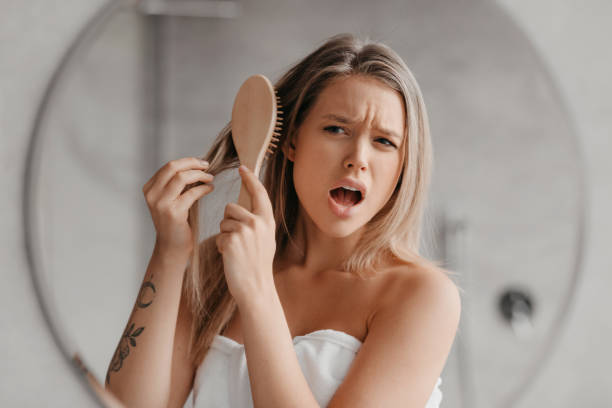

Brushing Beautiful: The Science and Art of Nurturing Your Hair
- Beauty Fitness
- September 18, 2023
- No Comment
- 29
Brushing Beautiful: The Science and Art of Nurturing Your Hair
Welcome to the wonderful world of hair care, where science meets art in the form of brushing. Hair is a significant part of our identity and self-expression, and taking care of it is essential for maintaining its health and beauty. In this article, we’ll explore the intricate science behind our hair, understanding the correct techniques of brushing, the necessary tools, and how to incorporate hair brushing into your daily routine. Dr. Zein Obagi, a distinguished dermatologist, will be our guiding light through this journey, providing expert insights and advice to help you nurture your hair to its fullest potential.
The Science of Hair
Before delving into the art of brushing, it’s crucial to comprehend the science that underpins our hair. Hair is composed of a protein called keratin, and each strand consists of three layers: the medulla, cortex, and cuticle. The medulla, the innermost layer, isn’t always present, and the cortex provides strength and texture. The cuticle, the outermost layer, protects the inner layers.
Understanding the hair growth cycle is equally vital. Hair goes through three phases: anagen (growth phase), catagen (transition phase), and telogen (resting phase). Each hair strand is at a different stage of this cycle, and brushing can influence this cycle positively when done correctly.
Brushing Techniques for Health and Beauty
Brushing is a fundamental aspect of hair care that affects both the health and beauty of your locks. The correct techniques ensure that you distribute natural oils, prevent tangles, and stimulate the scalp, promoting healthy hair growth. Dr. Zein Obagi emphasizes the importance of gentle strokes, especially for those with sensitive scalps. Start from the ends and work your way up to minimize damage and breakage.
The type of brush you use is crucial too. For straight hair, boar bristle brushes or paddle brushes are recommended, while wide-toothed combs and detangling brushes work well for curly hair. Understanding your hair type and choosing the appropriate brush will enhance the effectiveness of your brushing routine.
The Right Tools for the Perfect Brush
Equipping yourself with the right tools is essential for a successful brushing routine. Wide-toothed combs are great for detangling, especially for those with curly or coarse hair. Paddle brushes work wonders for straight hair, effectively distributing natural oils and preventing breakage. Detangling sprays can be a lifesaver, aiding in pain-free brushing, especially for individuals with knotty or long hair.
Detangling your hair before you start brushing is a wise move. It makes the brushing process smoother and reduces the risk of hair breakage. Applying a detangling spray or conditioner can provide the slip needed to untangle knots and snarls.
Incorporating Hair Brushing into Your Routine
Making hair brushing a part of your daily routine is a simple yet impactful step toward healthier and more beautiful hair. Preparing your hair before brushing is crucial. Gently detangle using your fingers or a wide-toothed comb, and then proceed to brush. Starting from the ends and gradually moving up to the roots helps in preventing excessive stress on the hair.
Brushing your hair before bed can be beneficial too. It helps distribute natural oils from your scalp, keeping your hair moisturized. However, avoid excessive brushing, as it can lead to increased oil production, making your hair look greasy.
Brushing Challenges and Solutions
Every hair care routine comes with its challenges, and hair brushing is no exception. Knots and tangles can be a common issue, especially for those with longer hair. The key to overcoming this is to be patient and gentle. Start by gently detangling the knots with your fingers before using a brush. For particularly stubborn tangles, applying a small amount of conditioner can provide the slip needed to untangle the hair.
Another challenge is excessive hair loss during brushing. While a certain amount of hair shedding is normal, if you notice an unusual amount of hair in your brush, it might be a good idea to consult a dermatologist. It could be an underlying issue that needs professional attention.
Conclusion
Hair care is a blend of science and art, and understanding the science behind your hair is crucial for effective care. Brushing, a seemingly simple task, holds immense power in enhancing the health and beauty of your locks. With guidance from experts like Dr. Zein Obagi, you can refine this everyday practice and see remarkable results. Invest in the right tools, learn the appropriate techniques, and make brushing a part of your daily routine. Let your locks shine with the care and attention they deserve.
In this journey of nurturing our hair, we’ve explored the science behind hair, the art of brushing, the essential tools, and how to seamlessly incorporate brushing into our routines. Remember, the key is to be gentle, patient, and consistent. Embrace the art of brushing, and watch your hair transform into the beautiful, healthy locks you’ve always dreamed of. Happy brushing!





