



The Role of Emotions in AI: Understanding Sentiment Analysis and Emotional Intelligence
- Online community
- April 6, 2023
- No Comment
- 21
In recent years, there has been a growing interest in the role of emotions in artificial intelligence. One area of particular interest is sentiment analysis, a process in which AI is used to analyze human emotions expressed in text. This technology has a wide range of applications, from marketing and advertising to political analysis and mental health.
Sentiment analysis relies on natural language processing (NLP) algorithms, which allow AI to understand human language and interpret emotions expressed in text. By analyzing the tone, language, and context of a text, sentiment analysis algorithms can determine whether the text expresses positive, negative, or neutral emotions.
However, while sentiment analysis is a powerful tool, it is not always accurate. AI is still not able to accurately interpret complex emotions such as sarcasm, irony, or humor. Additionally, AI may be prone to bias and may produce inaccurate results if the training data is biased or incomplete.
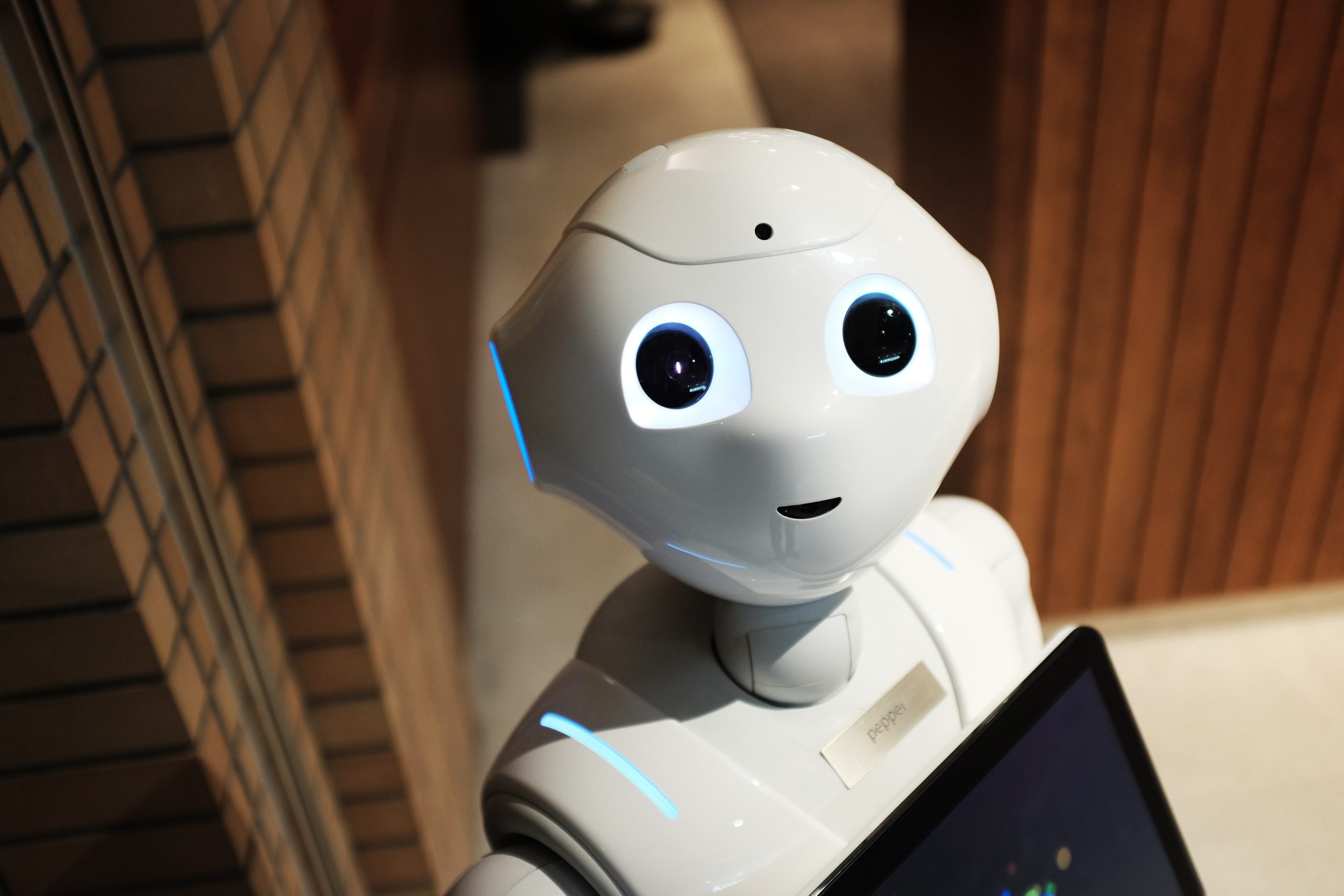
Emotional intelligence is another area of interest in AI. Emotional intelligence refers to an AI system’s ability to recognize and understand human emotions and respond to them appropriately. This is particularly important in fields such as healthcare, where emotional intelligence can help AI systems better understand patient needs and provide more personalized care.
However, emotional intelligence is still a relatively new area of research in AI, and there is much work to be done in developing AI systems with emotional intelligence. One challenge is developing algorithms that can accurately recognize and respond to a wide range of emotions.
In conclusion, the role of emotions in AI is an exciting area of research with enormous potential for improving many aspects of our lives. While sentiment analysis and emotional intelligence are powerful tools, it is important to recognize their limitations and potential biases. By understanding the role of emotions in AI, we can develop more effective and responsible AI systems that better understand and respond to human needs.





