


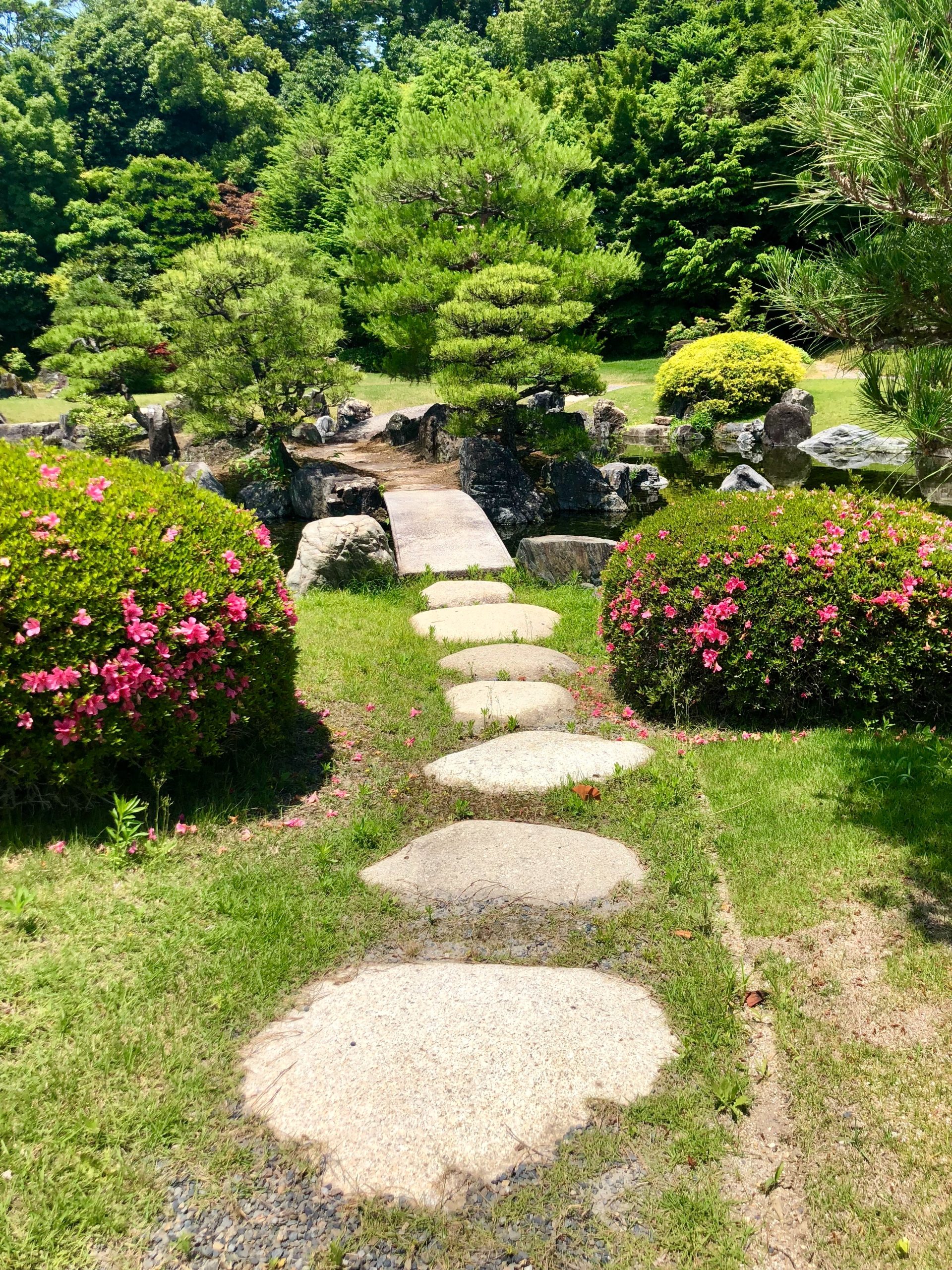

Bringing Life Back to Abandoned Areas: The Power of Urban Planting
- HOME Garden
- June 2, 2023
- No Comment
- 25
Urbanization has brought about many benefits, but it has also led to the abandonment of many areas in cities. These abandoned areas can become eyesores and even pose safety risks to the community. However, there is a solution that not only beautifies these areas but also brings life back to them: urban planting.
What is Urban Planting?
Urban planting is the practice of growing plants in urban areas. It can take many forms, from community gardens to green roofs to vertical gardens. Urban planting has become increasingly popular in recent years as people recognize the benefits it brings to both the environment and the community.
Benefits of Urban Planting
Urban planting has numerous benefits, including:
1. Beautification: Urban planting can transform abandoned areas into beautiful green spaces that are pleasant to look at and spend time in.
2. Improved air quality: Plants absorb carbon dioxide and release oxygen, which improves air quality in urban areas.
3. Reduced heat island effect: Urban areas tend to be hotter than surrounding rural areas due to the abundance of concrete and asphalt. Plants help to reduce the heat island effect by providing shade and cooling the air through transpiration.
4. Increased biodiversity: Urban planting can provide habitat for birds, insects, and other wildlife, increasing biodiversity in urban areas.
5. Community building: Urban planting can bring people together and create a sense of community. Community gardens, for example, provide a space for people to come together and grow their own food.
Examples of Urban Planting
There are many examples of successful urban planting projects around the world. Here are just a few:
1. The High Line, New York City: The High Line is a 1.45-mile-long elevated park built on an abandoned railway line in Manhattan. It features a variety of plants and has become a popular tourist attraction.
2. The Bosco Verticale, Milan: The Bosco Verticale is a pair of residential towers in Milan that are covered in trees and other plants. The towers provide habitat for birds and insects and help to improve air quality in the city.
3. The Greening of Detroit, Detroit: The Greening of Detroit is a nonprofit organization that works to create green spaces in Detroit. It has planted over 100,000 trees and created over 1,000 community gardens in the city.
4. The Cheonggyecheon Stream, Seoul: The Cheonggyecheon Stream is a 5.8-kilometer-long stream that was restored in 2005. It is now a popular recreational area and has helped to improve air quality in the city.
Conclusion
Urban planting is a powerful tool for bringing life back to abandoned areas in cities. It has numerous benefits, including beautification, improved air quality, and increased biodiversity. There are many successful urban planting projects around the world, and with the right planning and community involvement, more can be created in the future. By embracing urban planting, we can create more livable and sustainable cities for everyone.





