


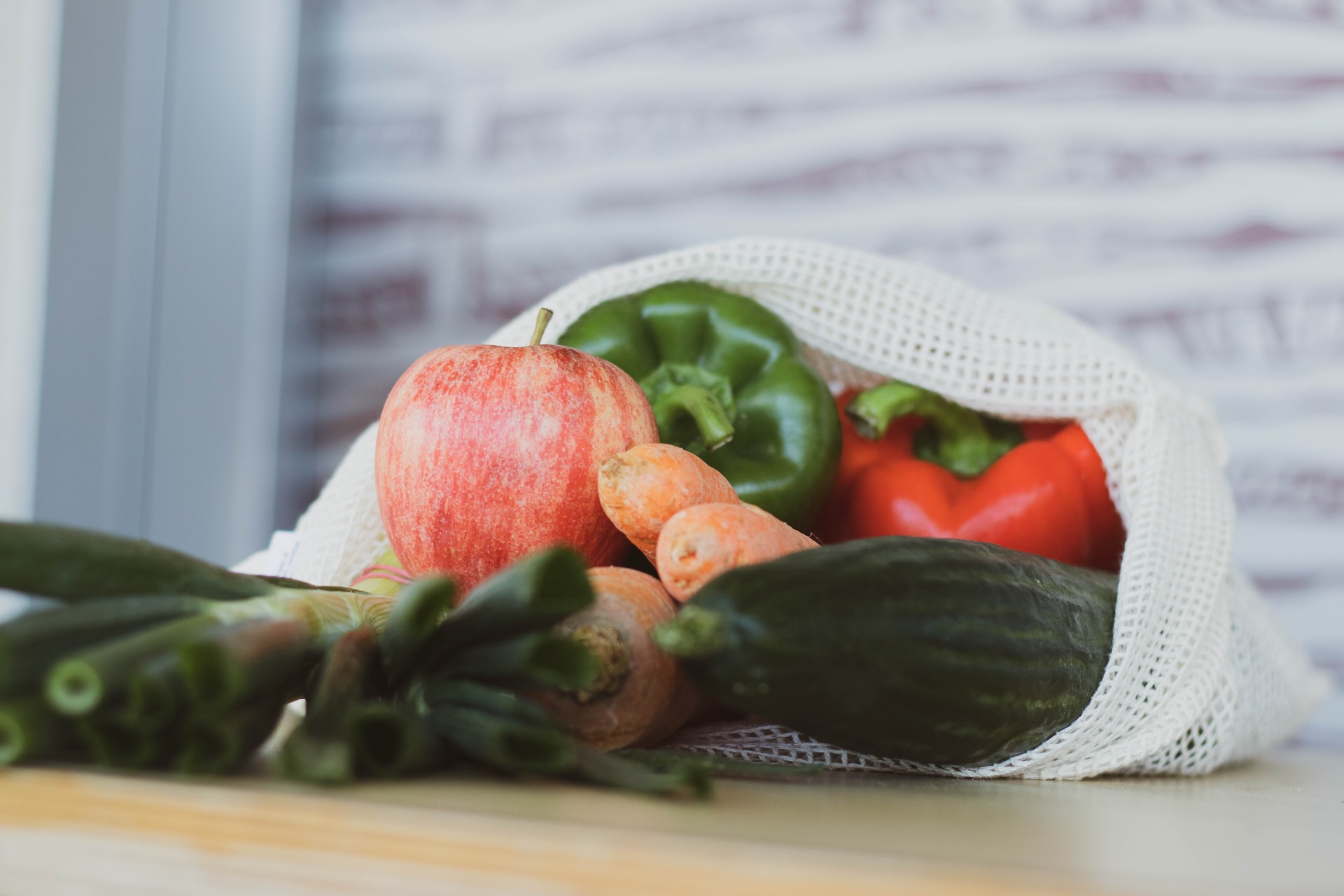

The Sustainable Plate: Nurturing the Planet with Eco-Friendly Foods
- Food Drink
- May 23, 2023
- No Comment
- 24
As the world becomes more aware of the impact of human activity on the environment, many people are looking for ways to reduce their carbon footprint and live more sustainably. One area where we can make a significant impact is in the food we eat. By choosing eco-friendly foods, we can help to reduce our impact on the planet and promote a more sustainable future.
What are Eco-Friendly Foods?
Eco-friendly foods are those that are produced in a way that minimizes their impact on the environment. This can include foods that are grown using sustainable farming practices, such as organic farming or regenerative agriculture, as well as foods that are produced using renewable energy sources or that have a low carbon footprint.
Eco-friendly foods can also include plant-based foods, which have a lower environmental impact than animal-based foods. This is because animal agriculture is a significant contributor to greenhouse gas emissions, deforestation, and water pollution.
Examples of Eco-Friendly Foods
There are many eco-friendly foods that we can incorporate into our diets. Here are just a few examples:
1. Locally-grown produce: By choosing fruits and vegetables that are grown locally, we can reduce the carbon footprint associated with transportation and support local farmers.
2. Organic foods: Organic farming practices prioritize soil health and biodiversity, and avoid the use of synthetic pesticides and fertilizers.
3. Plant-based proteins: Plant-based proteins, such as beans, lentils, and tofu, have a lower environmental impact than animal-based proteins.
4. Sustainable seafood: Choosing seafood that is sustainably sourced can help to protect marine ecosystems and support responsible fishing practices.
5. Renewable energy foods: Foods that are produced using renewable energy sources, such as solar or wind power, have a lower carbon footprint than those produced using fossil fuels.
The Benefits of Eco-Friendly Foods
Choosing eco-friendly foods can have many benefits, both for the environment and for our health. By reducing our carbon footprint and supporting sustainable farming practices, we can help to protect the planet for future generations.
Eco-friendly foods can also be healthier for us, as they are often produced using fewer synthetic chemicals and are less processed than conventional foods. Plant-based foods, in particular, are associated with a lower risk of chronic diseases such as heart disease and diabetes.
In addition, choosing eco-friendly foods can help to support local farmers and promote a more sustainable food system. By supporting sustainable farming practices, we can help to create a more resilient and equitable food system that benefits everyone.
Tips for Incorporating Eco-Friendly Foods into Your Diet
If you are interested in incorporating more eco-friendly foods into your diet, there are several tips you can follow. First, try to choose foods that are in season and grown locally. This can help to reduce the carbon footprint associated with transportation and support local farmers.
Another tip is to choose plant-based proteins, such as beans, lentils, and tofu, instead of animal-based proteins. This can help to reduce the environmental impact of your diet and promote better health.
Finally, try to choose foods that are produced using sustainable farming practices, such as organic or regenerative agriculture. This can help to support soil health and biodiversity, and reduce the use of synthetic pesticides and fertilizers.
Conclusion
The food we eat has a significant impact on the environment, and by choosing eco-friendly foods, we can help to reduce our carbon footprint and promote a more sustainable future. From locally-grown produce to plant-based proteins and sustainable seafood, there are many eco-friendly foods that we can incorporate into our diets.
By making small changes to our diets and supporting sustainable farming practices, we can help to protect the planet for future generations and promote a more resilient and equitable food system. So the next time you sit down to eat, consider the impact of your food choices and choose eco-friendly foods that nurture the planet and support your health.





