


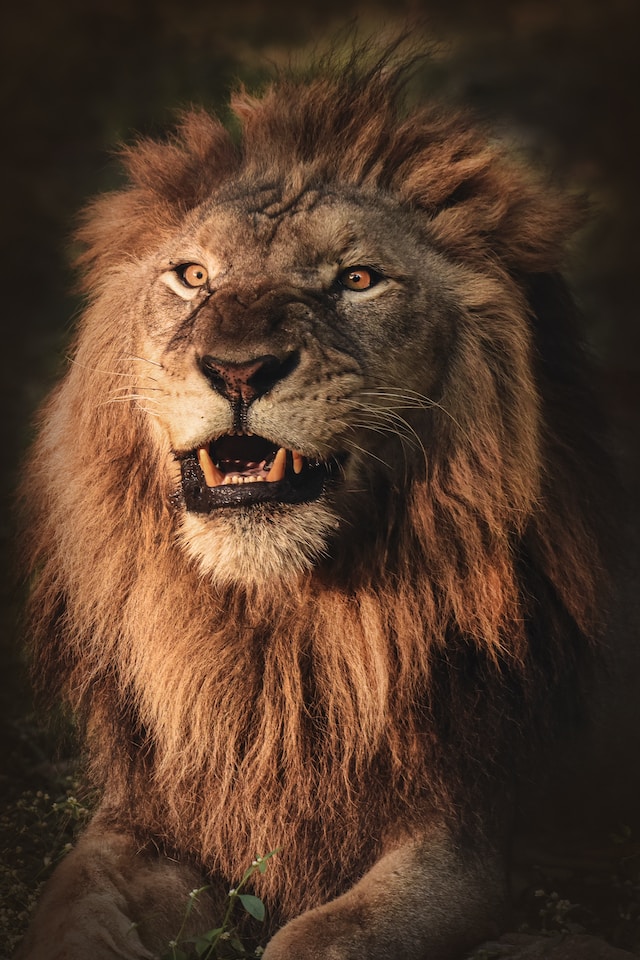

The Lion’s Mane Sign of Power and Authority in the Wild
- Pet and animal
- May 19, 2023
- No Comment
- 19
Introduction: In the vast savannas and grasslands, one feature sets the mighty lion apart from its fellow creatures—the majestic and awe-inspiring mane. The lion’s mane, with its grandeur and distinctive appearance, serves as a symbol of power and authority in the wild. In this article, we explore the significance of the lion’s mane, its role in the animal kingdom, and the evolutionary adaptations that make it a formidable asset for these regal beasts.
Body:
- Impressive Appearance: The lion’s mane is a striking and visually captivating attribute that distinguishes male lions from their female counterparts. It consists of a luxurious growth of long, thick hair encircling the male lion’s head and neck, often extending down the chest. The mane ranges in color from blond to dark brown, adding an aura of majesty to the lion’s already regal appearance. Its voluminous and formidable nature commands attention, making an immediate visual statement of power.
- Sign of Maturity and Dominance: The mane serves as a sign of maturity and dominance in the lion kingdom. As male lions reach adulthood, their manes start to grow and develop. The size, thickness, and darkness of the mane indicate the lion’s age and health, with fuller and darker manes suggesting higher testosterone levels. These features play a crucial role in asserting dominance and attracting mates, signifying to other lions and potential rivals that they are a formidable force to be reckoned with.
- Intimidation and Protection: The lion’s impressive mane has a dual purpose: intimidation and protection. The mane adds to the lion’s overall size and presence, creating a visually imposing image. When a male lion approaches with a fully grown, flowing mane, it acts as a warning to rivals and potential threats, effectively deterring challenges to its authority. Additionally, the dense hair around the neck and chest provides a degree of protection during fights and territorial disputes, acting as a buffer against bites and scratches.
- Temperature Regulation: While the lion’s mane is primarily associated with dominance and aesthetics, it also serves a practical function—temperature regulation. The mane acts as insulation, helping to regulate the lion’s body temperature in the extreme heat of their natural habitat. It acts as a shield from the scorching sun, preventing overheating and allowing the lion to conserve energy during hunting and other activities.
- Cultural Significance: The lion’s mane has not only captivated the animal kingdom but also holds significant cultural symbolism. Throughout history, lions have been revered and depicted in various cultures as symbols of strength, power, and nobility. The mane has often been associated with these attributes, finding its place in folklore, art, and heraldry. Its cultural significance further reinforces the lion’s reputation as the king of the animal kingdom.
Conclusion: The lion’s mane, a striking and powerful feature, represents more than just a display of beauty in the wild. It is a visual testament to the lion’s maturity, dominance, and prowess. From its ability to intimidate rivals and attract mates to its practical functions in temperature regulation and protection, the lion’s majestic mane stands as an emblem of power and authority in the animal kingdom. As we marvel at the spectacle of a lion’s flowing mane, we are reminded of the grandeur and magnificence of these regal beasts that rule the savannas.





