


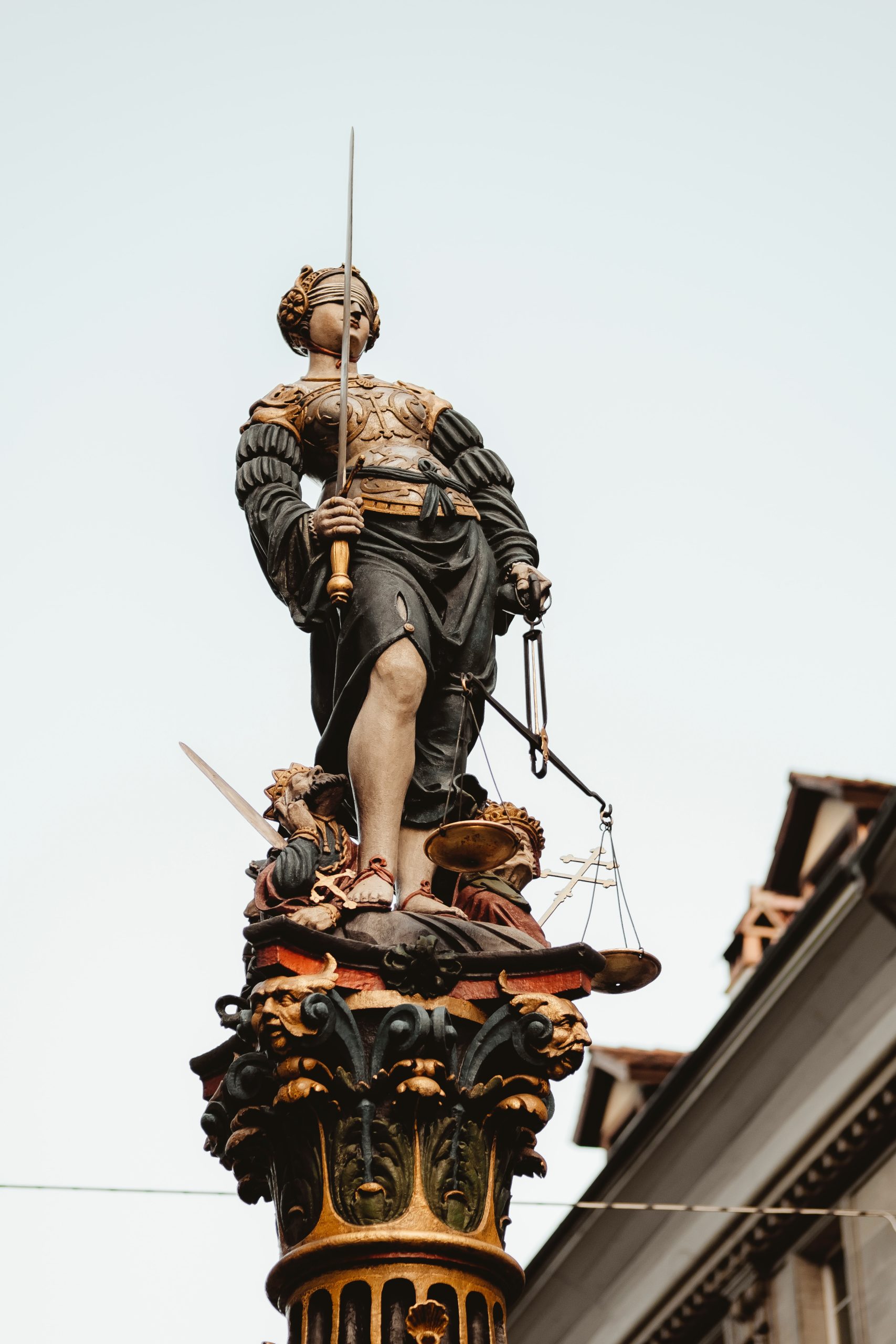

The Interplay Between Law and Politics: Understanding the Terrain
- Law Government
- April 4, 2023
- No Comment
- 20
Introduction
Law and politics are two intertwined aspects of modern society that shape our worldviews, beliefs, and actions. Whether we realize it or not, the decisions made in courts and parliaments have far-reaching consequences on our lives. Understanding the interplay between law and politics is crucial for anyone who wants to navigate this complex terrain. In this blog post, we will explore how law and politics interact with each other to create a dynamic landscape that shapes our societies’ future. So buckle up as we delve into the fascinating world of legal-political intersections!
What is the interplay between law and politics?
The interplay between law and politics is a complex and ever-changing landscape. In the United States, the two are intertwined at every level of government. Understanding the terrain is essential for anyone interested in pursuing a career in either field.
There are a few key points to keep in mind when considering the interplay between law and politics. First, it is important to understand that the two fields are not always separate. In many cases, they overlap and intersect. Second, the relationship between law and politics is constantly evolving. What works today may not work tomorrow. Finally, it is important to be aware of the different perspectives that exist within both fields.
No matter what your career goals may be, it is important to have a firm understanding of both law and politics. By doing so, you will be better equipped to navigate the ever-changing landscape and make a positive impact in whichever field you choose to pursue.
The different types of legal systems
There are four different types of legal systems in the world: common law, civil law, customary law, and religious law.
Common law is a system of law that is based on precedent, or past decisions of courts. This means that when a court decides a case, its decision becomes binding precedent for future cases with similar facts. In the United States, common law is used in federal courts and in the courts of most states.
Civil law is a system of law that is codified, or written down in a code. This means that there is a body of laws, such as the Civil Code of France, that sets forth the rules that courts must follow. Civil law systems are used in Continental Europe and in many countries around the world.
Customary law is a system of unwritten laws that are based on tradition and custom. This type of law is often used in tribal societies or other communities with strong oral traditions. In some countries, such as England, customary law has been absorbed into the common law system.
Religious law is a system of laws that are based on religious principles. This type of law is used in countries with an official religion, such as Iran or Saudi Arabia. Religious laws can also be found within some political systems, such as those based on Islamic principles (known as sharia).
The different types of political systems
There are two main types of political systems: authoritarian and democratic. Authoritarian regimes seek to control all aspects of society and the government has absolute power. In a democracy, the government is elected by the people and there is rule of law.
There are several sub-types of authoritarian regimes. One type is a military dictatorship, in which the military controls the government. Another type is a single-party state, in which only one political party is allowed to operate legally. A third type is an absolute monarchy, in which the king or queen has complete control over the government.
democracies can be further classified into different types as well. There is direct democracy, in which citizens vote on laws directly; representative democracy, in which citizens elect representatives to make laws on their behalf; and presidential democracy, in which there is a president who is elected by the people and who has executive power.
How do law and politics interact with each other?
The American legal system is founded on the principle of separation of powers, with authority divided between the executive, legislative, and judicial branches of government. This system is designed to prevent any one branch from having too much power, but in practice, the different branches often interact and influence each other.
The relationship between law and politics is complex, and it can be difficult to understand how the two interact with each other. In general, politics deals with the distribution of power within a society, while law deals with the rules that govern behavior. However, there is significant overlap between the two fields, and they often influence each other.
For example, laws are created by elected officials in the legislature, who are influenced by public opinion and special interests. The executive branch (the president and his administration) implements and enforces laws, while the judiciary interprets laws and decides cases that test their legality. All three branches are involved in shaping public policy.
Politics also plays a role in how laws are interpreted and enforced. For instance, judges are appointed by the president and confirmed by the Senate, so their political views may influence their interpretation of the law. Similarly, prosecutors (who work for the executive branch) may be more or less aggressive in enforcing laws depending on the priorities of the administration.
The interplay between law and politics can be seen in many areas of public policy, such as environmental regulation, abortion rights, gun control, and immigration. Understanding this relationship is essential
Conclusion
In conclusion, we can see that understanding the interplay between law and politics is a complex task but one that is essential for all citizens. On the one hand, laws provide a framework in which individuals interact with each other and protect their rights. On the other hand, politics shapes how those laws are interpreted and implemented in practice. Both of these aspects must be taken into account to ensure justice for everyone involved. Ultimately, it is up to us to learn more about this fascinating terrain so that we can make informed decisions when selecting our leaders or acting on important matters of justice.





