



The Evolution of Elephant Sleep
- Pet and animal
- May 19, 2023
- No Comment
- 23
Introduction: The world of sleep is as diverse as the animal kingdom itself, with each species exhibiting unique sleep patterns and behaviors. Among the many fascinating creatures, elephants stand out as highly intelligent and socially complex beings. As we delve deeper into the study of sleep, comparing sleep patterns between wild and captive elephants provides valuable insights into the evolution of their sleep behavior. In this article, we explore the intriguing differences in sleep between wild and captive elephants, shedding light on the impact of captivity on their rest.
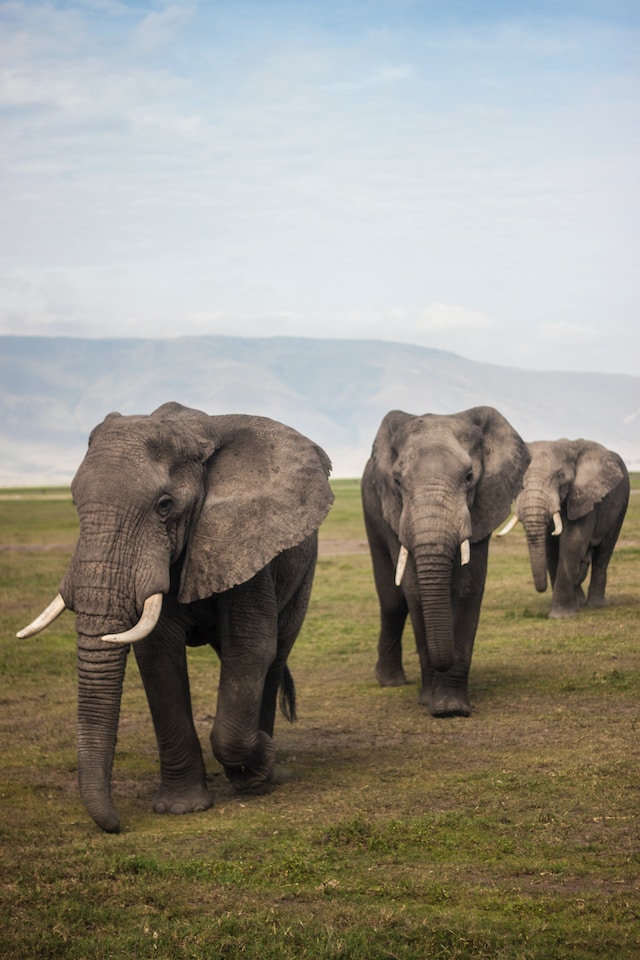
The Natural Sleep Behavior of Wild Elephants: In their natural habitats, wild elephants have the freedom to express their innate sleep behaviors. Studies have shown that wild elephants typically sleep for an average of 2 to 3 hours per day, engaging in short, fragmented sleep bouts. These periods of rest occur in secluded areas, away from potential threats, where elephants can lie down on their sides and relax. This natural sleep behavior allows them to remain vigilant while still obtaining necessary restorative sleep.
Sleep Challenges in Captive Settings: Captive elephants face unique challenges when it comes to sleep, primarily due to the artificial environments in which they live. In captive settings, elephants are often confined to smaller spaces, which limits their ability to engage in natural behaviors, including sleep. The lack of space and stimulation can lead to sleep disturbances and inadequate rest.
Sleep Deprivation in Captivity: Research has shown that captive elephants experience higher levels of sleep deprivation compared to their wild counterparts. The limited space and confinement in captivity can result in sleep disruptions, fragmented sleep patterns, and an overall reduction in sleep duration. Sleep deprivation in captive elephants can lead to various health issues, including increased stress levels, compromised immune function, and behavioral abnormalities.
The Role of Environmental Enrichment: Recognizing the importance of promoting natural sleep behaviors, captive facilities have implemented environmental enrichment strategies to enhance the well-being of elephants. Providing larger enclosures, opportunities for physical activity, and mental stimulation can help alleviate sleep disturbances in captivity. Environmental enrichment allows captive elephants to engage in behaviors that are more closely aligned with their wild counterparts, leading to improved sleep quality.
Sleep Research in Captive Settings: To better understand the sleep patterns of captive elephants, researchers have conducted studies within these settings. These studies have involved monitoring sleep behavior using non-invasive techniques such as video surveillance and actigraphy. By analyzing sleep data from captive elephants, scientists aim to identify factors that influence their sleep and develop strategies to optimize their rest.
The Importance of Proper Sleep in Captivity: Promoting healthy sleep in captive elephants is not only a matter of animal welfare but also vital for their overall well-being. Adequate rest plays a crucial role in maintaining physical health, cognitive function, and emotional stability. By addressing sleep-related challenges in captivity, caregivers can contribute to the overall welfare of captive elephants.
Balancing Conservation and Captivity: While captive facilities strive to provide the best possible care for elephants, it is important to recognize the inherent challenges of replicating wild conditions. Efforts should focus on striking a balance between conservation and captivity, ensuring that captive elephants have opportunities to engage in natural sleep behaviors while also supporting conservation initiatives that protect and preserve wild elephant populations.
Conclusion: Comparing the sleep patterns of wild and captive elephants sheds light on the impact of captivity on their rest and well-being. While wild elephants exhibit natural sleep behaviors characterized by short, fragmented sleep bouts, captivity presents unique challenges that can lead to sleep disturbances and deprivation. The implementation of environmental enrichment strategies in captive settings is crucial for promoting more natural sleep behaviors and improving the overall sleep quality of captive elephants.





