



The Emergence of Smart Homes: A Glimpse into a Post-Smartphone World
- Internet and Telecom
- March 29, 2023
- No Comment
- 23
Welcome to the future! Smart homes are no longer a thing of science fiction, but rather a reality that is fast becoming commonplace. With the rise of technology, we have entered into an era where our homes can be controlled by smart devices and appliances with just a tap or voice command. In this blog post, we will explore how smart homes are changing the way we live and interact with our surroundings in ways previously unimaginable. Join us on this journey as we take a glimpse into what the world could look like in a post-smartphone era.
What is a Smart Home?
Smart homes are a recent technological development that have the potential to change the way people live and work. They are composed of physical devices and systems that are interconnected and able to sense and respond to their environment.
A smart home is typically controlled or monitored by a device known as a “hub”, which connects to various other devices in the home such as lights, locks, thermostats, security cameras, and appliances. These hubs can be connected wirelessly or through an Ethernet cable.
The benefits of a smart home include increased safety and convenience. For example, a security camera can be used to monitor your property while you’re away, and your thermostat can be set to adjust temperature based on occupancy rates in your household. You can also control all of your home’s lighting from one location using a hub controller.
There are many different types of smart homes available on the market today, and they all have different features and capabilities. If you’re interested in installing a smart home into your home, it’s important to do some research so you can find the right products for your needs.
The Advantages of Smart Homes
One of the most popular features of smart homes is the ability to control and monitor devices remotely. This can be helpful for keeping an eye on your home while you’re away, or for controlling devices without having to get up from your chair. Additionally, smart homes can help you save energy by turning off devices when they’re not in use, and alerts you if there’s a problem with one of your devices. Finally, smart homes can provide security and privacy benefits because they allow you to control who has access to specific areas of your home.
How do Smart Homes Work?
Smart homes are slowly but surely becoming a reality for many people across the world. These homes not only have modern amenities like air conditioning and energy-saving features, but they are also able to connect to a variety of digital devices and platforms to provide users with an ever-growing range of services.
To understand how smart homes work, it is helpful to first take a look at how smartphones work. Smartphones use various apps and platforms to allow users to access their data, communicate with friends and family, shop online, and more. The same principles are used in smart homes, with various platforms offering users access to their devices and data.
Some of the most popular platforms used in smart homes include Amazon’s Echo/Alexa system, Apple’s HomeKit system, Google’s Nest platform, Samsung’s Connect system, and Microsoft’s Cortana service. Each platform offers its own unique set of features and benefits that can be incorporated into a home’s overall design or functionality.
One of the main benefits of using a smart home platform is that it allows users to centralize all their devices under one roof. This makes it easier for users to manage their devices and data while also reducing the number of cables that need to be plugged into various parts of the home. Additionally, these systems often come with built-in security features that allow owners to protect their belongings from theft or damage.
Overall, smart homes are gradually becoming more popular as they offer an array of benefits that go
What are the Different Types of Smart Home Devices?
Smart homes are systems that rely on a variety of devices to collect data and communicate with each other. This allows homeowners to control their settings, climate, and security from a single location.
Some common types of smart home devices include:
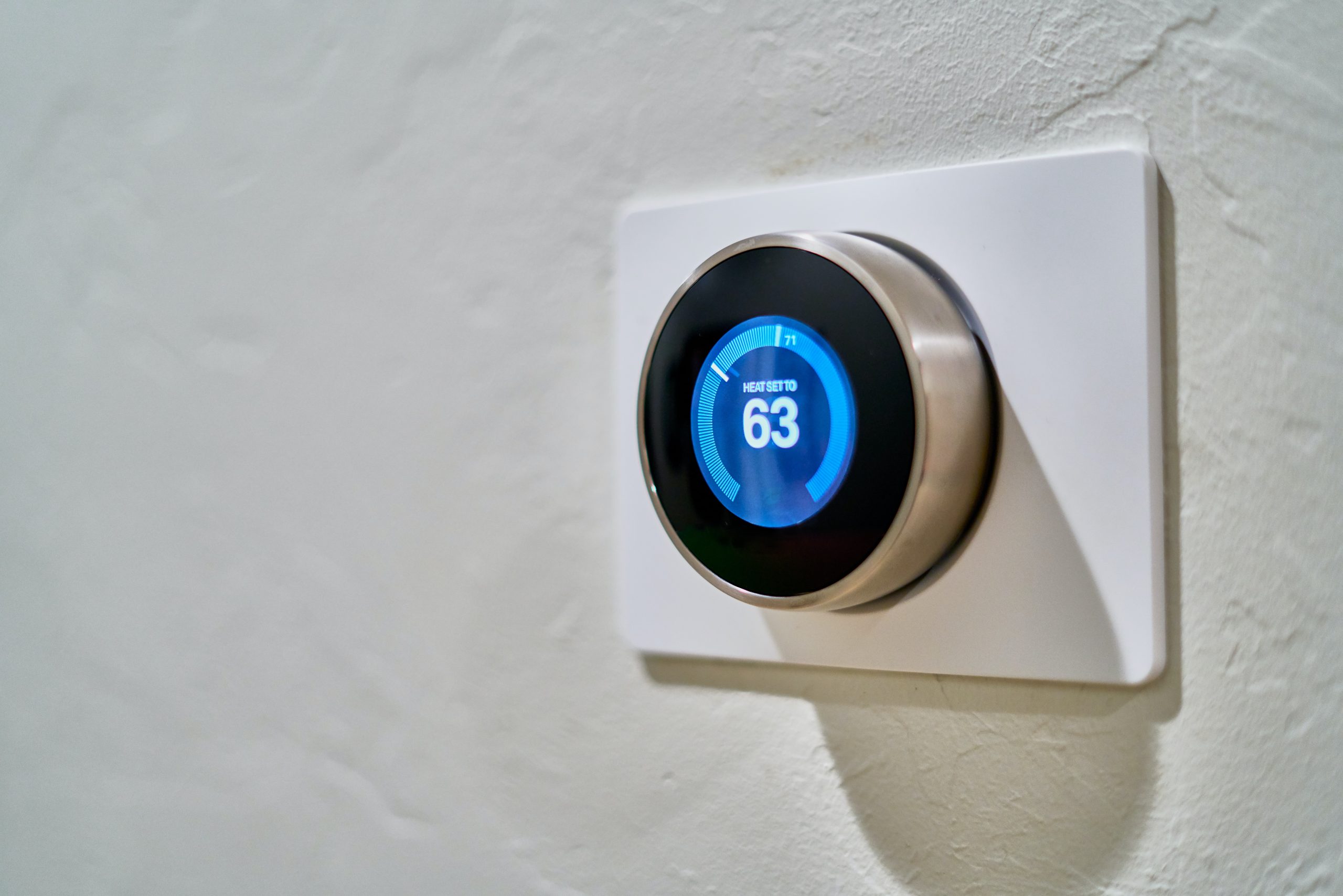
Devices that help control the climate in a home include thermostats, air conditioners, and heaters. These can be controlled through apps or voice commands.
Security cameras are another common type of smart home device. They allow homeowners to view footage remotely or store it on a SD card for future use. Some also have night vision capabilities for added safety.
Locks and door sensors can be used to keep people out or let them in when needed. They work by detecting changes in temperature, humidity, or pressure levels around the door. Some also have tracking capabilities so homeowners can see where people have been entering and leaving the house.
Home automation is another key part of a smart home system. This refers to devices that allow homeowners to remotely turn lights off or on, open windows, and more. There are many different types of home automation devices available, so it is important to find one that meets your specific needs.
The popularity of smart homes is growing everyday as more and more people become increasinglyawareoftheimpactsoftechnologyonourlivesandsocietyasaeffectofthesmarthomerevolutiononmodernlifeiscleartoeveryone!benefitsofasmarthome
The Future of Smart Home Technology
The future of smart home technology is exciting and full of possibilities. With the advent of new and more sophisticated devices, it is possible to control your entire home from a single location. From thermostats and lightbulbs, to security cameras and garage doors, the options are virtually endless. Here are five of the most popular types of smart home devices currently on the market:
1. Thermostats and Home Security Systems
One of the simplest ways to create a smart home is by installing a thermostat. These devices can be controlled remotely via an app or website, allowing you to save energy costs while protecting your home from overheating. Additionally, many thermostats now come with built-in security features, such as motion detection and alarm activation, that can help protect your property from theft or vandalism.
2. Smart Lights
When it comes to changing up your home’s appearance, there’s nothing like adding some LED lights! Not only do these bulbs offer incredible color accuracy (more than traditional lightbulbs), but they also come with a range of features that make them smarter than ever before. Some examples include automatic turn off/on based on time or location, dimming capabilities for various rooms in your house, and even compatibility with voice assistants like Amazon Echo and Google Home.
3. Home Automation Devices
If you want to go one step further than just controlling individual LEDs—you want to automate everything! This includes
Conclusion
As we move into a world where smart devices are no longer the only way to interact with our surroundings, we are also beginning to see the emergence of “smart homes.” This is a term that refers to homes that are equipped with sensors and other technology that allows them to be operated and monitored remotely. This could mean anything from being able to turn on your lights when you get home from work to being able to control your heating and air conditioning from afar. As this technology becomes more widespread, it is likely that we will begin seeing even more innovations in the smart home space.





