


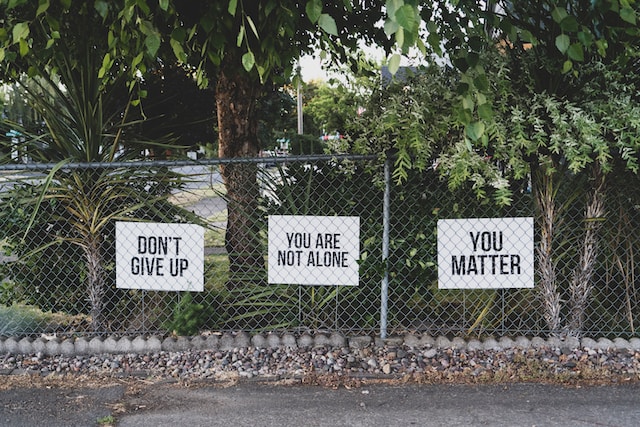

The Best Treatment Options for Depression
- health
- May 22, 2023
- No Comment
- 25
Introduction: Depression, a pervasive mental health condition, demands a comprehensive approach to treatment that goes beyond a single solution. While medication has long been a primary intervention, there is a growing recognition that a holistic approach encompassing various modalities can yield significant benefits. In this article, we explore the best treatment options for depression, emphasizing the integration of multiple strategies to address the multifaceted nature of this complex disorder.
- Medication as a Foundation: Pharmaceutical interventions play a vital role in managing depression for many individuals. Selective serotonin reuptake inhibitors (SSRIs) and serotonin-norepinephrine reuptake inhibitors (SNRIs) are commonly prescribed antidepressants that help regulate brain chemicals associated with mood. These medications can be effective in alleviating symptoms and restoring balance, but it is important to work closely with a healthcare professional to find the right medication and dosage for each individual.
- Psychotherapy: The Power of Talk: Psychotherapy, often in conjunction with medication, is a cornerstone of effective depression treatment. Cognitive-behavioral therapy (CBT), interpersonal therapy (IPT), and psychodynamic therapy are among the most widely recognized therapeutic approaches. CBT helps individuals identify and reframe negative thought patterns, while IPT focuses on improving relationships and resolving interpersonal conflicts. Psychodynamic therapy delves into the unconscious processes that influence behavior and emotions. These evidence-based therapies offer support, guidance, and coping strategies, empowering individuals to navigate their emotions and regain control of their lives.
- Lifestyle Modifications: Making positive changes to one’s lifestyle can significantly impact overall well-being and alleviate depressive symptoms. Regular exercise has been shown to boost mood by increasing the production of endorphins and reducing stress. Adequate sleep, a balanced diet, and reducing alcohol and substance use can also have a profound effect on mental health. Engaging in activities that bring joy and meaning, such as hobbies, socializing, and creative outlets, can provide a sense of purpose and fulfillment.
- Mind-Body Practices: Mind-body practices have gained traction as effective adjunctive treatments for depression. Mindfulness meditation, yoga, and deep breathing exercises can cultivate present-moment awareness, reduce stress, and enhance emotional resilience. These practices encourage self-compassion and acceptance, promoting a sense of calm and well-being. Integrating mind-body techniques into daily routines can help individuals better manage depressive symptoms and improve overall mental health.
- Alternative and Complementary Therapies: Alternative and complementary therapies offer additional avenues for individuals seeking a holistic approach to depression treatment. Acupuncture, a traditional Chinese therapy, involves the insertion of thin needles into specific points on the body to restore balance and promote well-being. While the scientific evidence supporting its effectiveness is still limited, many individuals report positive outcomes. Other modalities like herbal supplements (e.g., St. John’s wort) and massage therapy may also be explored, although caution should be exercised and consultation with a healthcare professional is crucial.
Conclusion: Depression requires a multi-faceted treatment approach that recognizes the interconnectedness of the mind, body, and lifestyle. While medication and psychotherapy form the foundation of treatment, integrating lifestyle modifications, mind-body practices, and alternative therapies creates a holistic framework for healing. It is essential to approach depression treatment with personalized care, as each individual’s journey is unique. By adopting a holistic perspective and tailoring treatment plans to individual needs, we can enhance the effectiveness and long-term outcomes of depression management, offering hope and support to those navigating this challenging terrain.





