


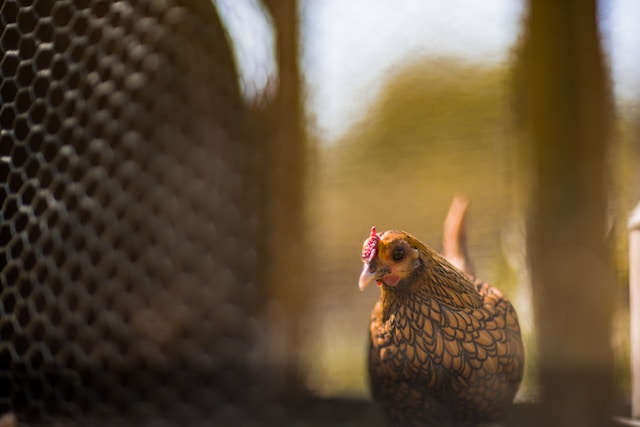

Sustainable Hen’s Egg Production
- Pet and animal
- May 19, 2023
- No Comment
- 27
Introduction: As concerns about environmental sustainability grow, the agricultural sector, including hen’s egg production, faces the imperative to adopt environmentally-friendly practices. Sustainable egg production focuses on minimizing the industry’s ecological footprint, reducing resource consumption, and promoting responsible farming methods. In this article, we explore the importance of sustainable hen’s egg production and highlight innovative practices that contribute to a greener and more environmentally-conscious industry.
- Cage-Free and Free-Range Systems: Transitioning from conventional cage systems to cage-free or free-range systems is a significant step towards sustainable egg production. These alternative systems provide hens with more space to roam, exhibit natural behaviors, and access outdoor environments. Such practices improve hen welfare while reducing the environmental impact associated with intensive confinement systems.
- Resource Management: Efficient resource management is essential in sustainable egg production. This includes optimizing water usage, minimizing energy consumption, and reducing waste. Implementing technologies like automated watering systems, energy-efficient lighting, and waste management systems can significantly contribute to reducing resource usage and minimizing environmental impact.
- Feed Efficiency and Sustainable Sourcing: Maximizing feed efficiency is crucial for sustainable egg production. Poultry farmers can work with nutritionists to formulate diets that optimize nutrient utilization and minimize waste. Additionally, sourcing feed ingredients from sustainable and traceable sources, such as locally-grown grains or certified sustainable suppliers, helps reduce the ecological footprint of egg production.
- Manure Management and Nutrient Recycling: Effective manure management is vital for minimizing the environmental impact of egg production. Implementing practices such as composting, anaerobic digestion, or converting manure into valuable fertilizers helps recycle nutrients, reduce greenhouse gas emissions, and prevent water pollution. Proper management ensures that manure becomes a resource rather than a waste product.
- Renewable Energy Adoption: Harnessing renewable energy sources can significantly contribute to the sustainability of egg production. Installing solar panels or utilizing wind turbines on the farm can generate clean and renewable energy to power the facilities, reducing reliance on fossil fuels. Renewable energy adoption not only reduces greenhouse gas emissions but also lowers long-term energy costs.
- Conservation and Biodiversity Preservation: Conservation practices that preserve and enhance biodiversity play a vital role in sustainable egg production. Implementing measures such as maintaining natural habitats, planting native vegetation, and providing nesting areas for wild birds contribute to ecological balance and promote biodiversity on and around the farm. Preserving biodiversity is essential for the overall health of ecosystems.
- Collaboration and Knowledge Sharing: Collaboration among farmers, researchers, and industry organizations fosters innovation and knowledge sharing in sustainable egg production. Sharing best practices, research findings, and success stories enables the industry to collectively improve sustainability efforts. Collaborative initiatives also create opportunities for developing and implementing new sustainable technologies and practices.
- Consumer Education and Awareness: Raising consumer awareness about sustainable egg production practices is crucial for driving demand and supporting the industry’s sustainability efforts. Educating consumers about the benefits of sustainable eggs, such as reduced environmental impact and improved animal welfare, empowers them to make informed purchasing decisions. Transparent labeling and certification schemes can assist consumers in identifying and choosing sustainable egg products.
Conclusion: Sustainable hen’s egg production is an essential aspect of responsible agriculture, addressing environmental concerns and promoting resource efficiency. By embracing environmentally-friendly practices, such as cage-free systems, efficient resource management, renewable energy adoption, and biodiversity preservation, the egg production industry can contribute to a greener and more sustainable future. Collaboration, consumer education, and ongoing innovation are key to furthering sustainability efforts and ensuring the long-term viability of the industry while minimizing its ecological footprint.





