


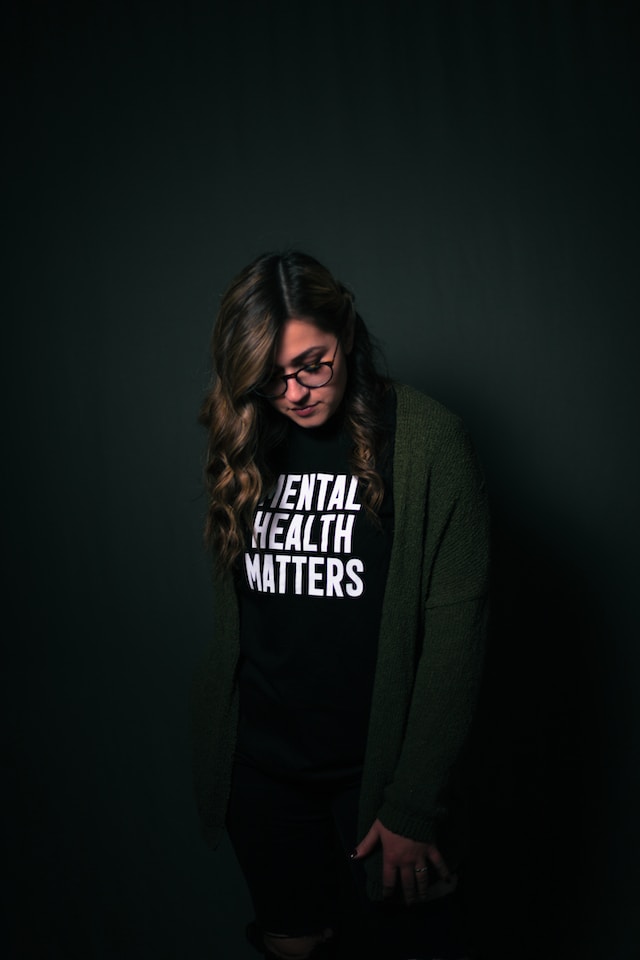

Struggle to Seek Help for Mental Health Issues
- health
- June 5, 2023
- No Comment
- 20
Mental health issues affect individuals from all walks of life, regardless of their religious beliefs. However, within certain faith communities, there exists a complex dynamic that often hinders individuals from seeking professional help for their mental health concerns. This article aims to explore the underlying factors that contribute to this struggle, shedding light on the intricate interplay between faith and mental well-being.
Faith plays a profound role in the lives of millions of people, offering comfort, guidance, and a sense of belonging. Within religious communities, seeking help for mental health issues can sometimes be perceived as contradictory to one’s faith or a sign of spiritual weakness. This viewpoint stems from the belief that religious devotion alone should be sufficient to overcome any adversity, including mental health challenges. Consequently, individuals may fear that acknowledging their need for professional help may be seen as a lack of faith or an indication of personal failure.
Moreover, religious communities often place a strong emphasis on the power of prayer, spiritual practices, and communal support as means of healing. While these elements can provide significant emotional support, they should not be regarded as a replacement for evidence-based therapies. However, the cultural norms within these communities can reinforce the idea that seeking external assistance is unnecessary or even discouraged, further deterring individuals from seeking professional help.
Another contributing factor is the fear of judgment and stigma within faith communities. Mental health issues are still surrounded by misconceptions and stigma in society at large, and religious circles are no exception. Individuals may worry about being ostracized, labeled as “broken,” or even facing exclusion from their faith community if they disclose their struggles. This fear can lead to a significant internal conflict, as individuals grapple with the choice between preserving their religious identity and seeking the care they desperately need.
Addressing the struggle faced by people of faith in seeking mental health help requires multifaceted efforts. First and foremost, education is key. Religious leaders can play a vital role in raising awareness and dispelling misconceptions about mental health within their communities. By incorporating mental health topics into sermons, organizing workshops, or inviting mental health professionals to speak, faith institutions can foster an environment of understanding and support.
Additionally, it is crucial to highlight the compatibility of faith and professional mental health care. By emphasizing that seeking help does not contradict religious beliefs, individuals may feel more comfortable reaching out for assistance. Sharing stories of individuals who have successfully navigated the intersection of faith and mental health treatment can serve as powerful narratives of hope and encouragement, providing reassurance that seeking help is a courageous and necessary step.
Promoting open dialogue within faith communities is equally essential. Creating safe spaces where individuals can share their experiences and concerns without fear of judgment can help break down barriers and combat stigma. Support groups or counseling services specifically tailored to the needs of religious individuals can be instrumental in addressing the unique challenges they face.
In conclusion, the struggle of people with faith in seeking help for mental health issues is a complex issue influenced by cultural norms, religious teachings, and fears of judgment. By fostering education, understanding, and open dialogue within religious communities, it is possible to break down these barriers. Encouraging individuals to view mental health care as a complementary component to their faith journey can help them navigate their challenges with strength and support. It is time to bridge the gap between faith and mental health, allowing individuals to embrace both aspects of their lives fully.





