


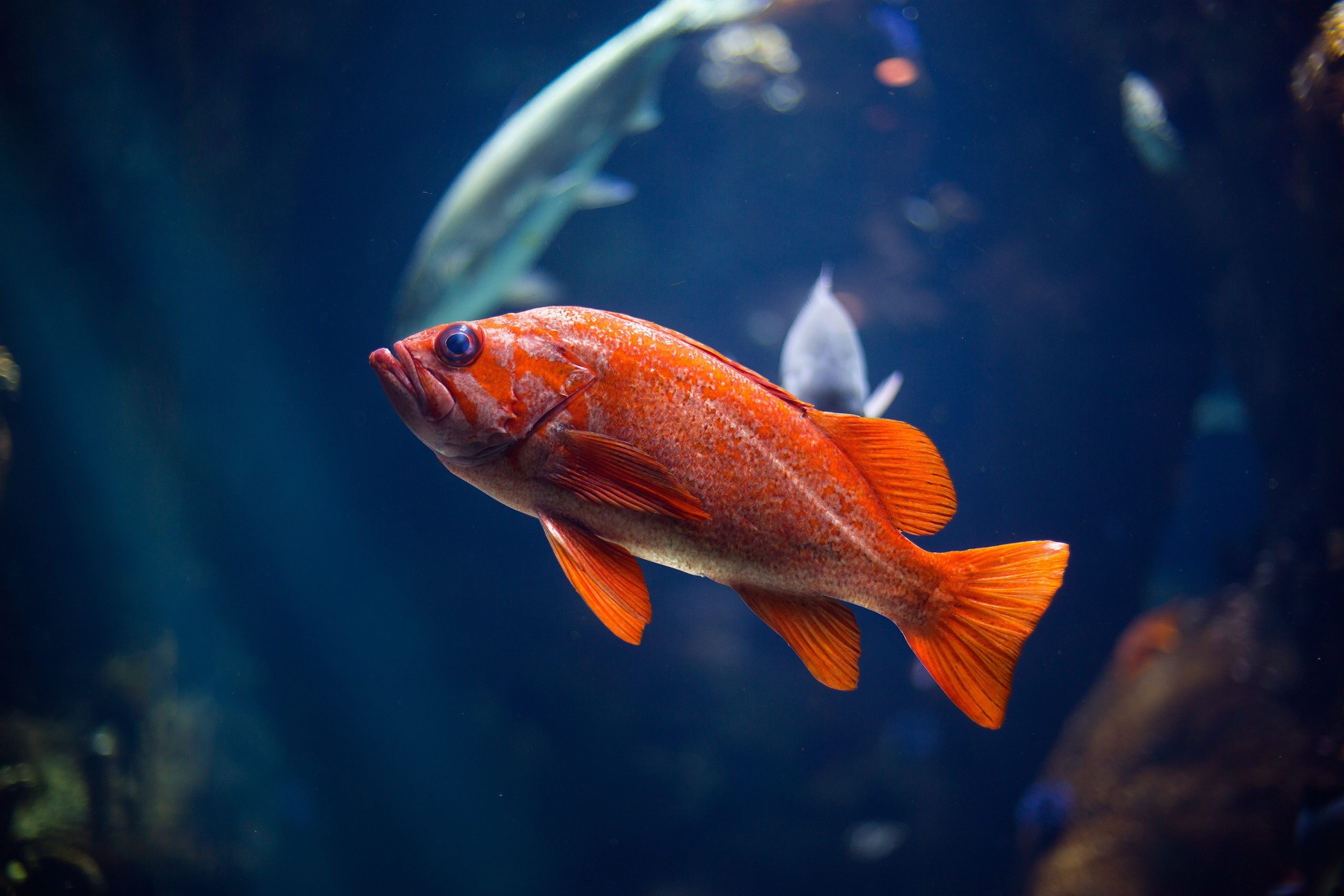

Swimming with the Tech: The Story Behind Turning a Goldfish into a Cyborg
- Science
- April 26, 2023
- No Comment
- 27
Have you ever imagined swimming with a cyborg goldfish? Well, it’s not just a wild imagination anymore. With the advancement of technology, scientists have turned this fantasy into reality by transforming an ordinary goldfish into a cyborg. This astonishing breakthrough in science has opened doors to endless possibilities and revolutionized the way we perceive aquatic life. In this blog post, we are going to delve into the fascinating story behind turning a goldfish into a cyborg and explore the future of swimming with tech. So hang on tight and dive deep as we uncover this extraordinary transformation!
How a Goldfish Became a Cyborg
In the early days, scientists were only able to observe aquatic life from afar. But this changed when they introduced cyborg technology into their research. The first step was to transform a goldfish into a cyborg by implanting electrodes in its brain and connecting them to a microcontroller.
The team of researchers used advanced surgical techniques on the goldfish’s head to insert tiny sensors that could detect changes in its environment such as temperature, pressure, and light intensity. These sensors would then transmit signals through the implanted electrodes to stimulate specific areas of the fish’s brain.
As a result, they were able to control certain behaviors of the goldfish such as turning left or right and swimming up or down using remote controls. This breakthrough allowed scientists unprecedented access into understanding how fish perceive their surroundings and make decisions based on it.
This development is not just limited to understanding aquatic life but can also be applied in other areas such as robotics where similar technology can be incorporated for controlling movements based on stimuli received from sensors.
The Challenges of Turning a Goldfish into a Cyborg
Turning a goldfish into a cyborg may sound like something out of science fiction, but it’s becoming more and more common in the world of research. However, there are several challenges that come with this process.
One major challenge is ensuring that the cyborg fish remains healthy and doesn’t experience any negative side effects from its technological enhancements. This requires careful monitoring and testing to make sure that the implants don’t cause any harm to the fish’s body or behavior.
Another hurdle is creating implants that are small enough to be implanted into such a small creature. The size limitations of the goldfish mean that researchers must develop tiny devices that can fit inside their bodies without causing damage or discomfort.
There is also the issue of power supply for these implants since they require electricity to function properly. Researchers have found ways around this by using wireless charging technology and developing self-sustaining energy sources for their devices.
There are ethical considerations surrounding turning living creatures into cyborgs. Researchers must consider whether it is right to alter an animal’s biology in such a way and ensure they follow strict guidelines for animal welfare during experimentation.
While turning a goldfish into a cyborg presents many challenges, researchers continue to push forward with new technologies and techniques in order to better understand how technology can interact with living creatures in unique ways.
The Future of Swimming with Tech
The future of swimming is poised to be revolutionized by technology. In the past, swimmers had to rely on their own strength, technique and endurance to excel in the sport. But with advancements in technology, swimmers can now benefit from cutting-edge tools that enhance their performance.
One such tool is wearable technology. Swimmers can wear a device that tracks metrics such as stroke rate, distance traveled and heart rate. This data can then be analyzed to identify areas for improvement and optimize training programs.
Another promising development is virtual reality training. Swimmers can use VR goggles to simulate different scenarios and conditions, allowing them to practice technique in a controlled environment without any external distractions or limitations.
In addition, underwater drones are being used to provide real-time feedback on a swimmer’s form and technique. These drones capture high-resolution video footage of the swimmer from multiple angles which helps coaches analyze strokes more accurately than ever before.
The future of swimming with tech looks bright with endless possibilities for improving performance through innovative solutions that make use of advanced technologies like wearables, virtual reality training and underwater drones.
Conclusion
Swimming with technology has come a long way, and turning a goldfish into a cyborg is just one example of how far we have come. The application of technology in the field of marine biology can be beneficial for research purposes, as well as environmental monitoring.
The challenges faced by scientists in creating this unique cyborg were immense, but they managed to overcome them through persistence and innovation. As we continue to explore new frontiers, it’s exciting to think about what other kinds of hybrid creations we will see in the future.
Swimming with tech is not limited to humans alone; even aquatic animals like goldfish can benefit from technological advances. We should embrace these innovations and use them responsibly for scientific advancement while also considering their impact on our environment.





