


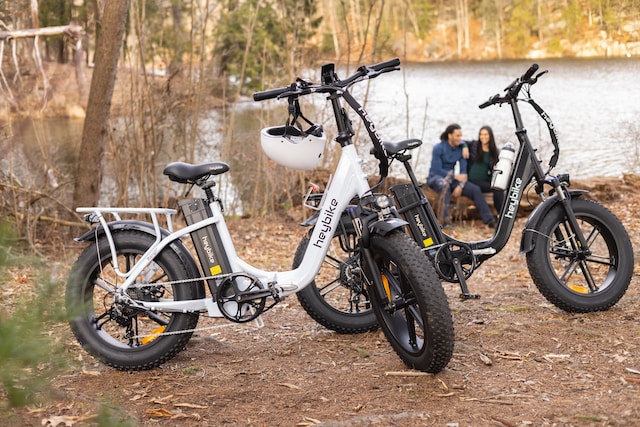

Stay Warm, Stay Safe Tips for Winter Bike Commuting
- health
- May 23, 2023
- No Comment
- 21
Introduction: Winter bike commuting can be a challenging yet rewarding experience. The cold temperatures and unpredictable weather may deter some, but with proper preparation and adherence to safety measures, cycling to work during the winter months can be a practical and enjoyable option. In this article, we will provide essential tips to help you stay warm and safe during your winter bike commute.
- Layer Up: Layering is crucial for maintaining warmth and comfort during winter rides. Start with a moisture-wicking base layer to keep sweat away from your body. Add insulating layers such as a fleece or wool mid-layer, and top it off with a windproof and waterproof outer shell. Opt for thermal tights or pants to protect your legs, and wear warm socks and gloves to keep your extremities cozy.
- Protect Your Head, Hands, and Feet: Heat escapes from your head, hands, and feet, so it’s important to protect them from the cold. Wear a thermal cycling cap or a snug-fitting beanie under your helmet to retain heat. Invest in thermal gloves or mittens that offer insulation and wind protection. Consider using shoe covers or insulated boots to keep your feet warm and shielded from the elements.
- Ensure Proper Lighting: With shorter daylight hours, visibility is crucial for winter bike commuting. Install powerful front and rear lights on your bike to make yourself visible to motorists. Choose lights with a steady beam and flashing options. Additionally, consider adding reflective tape or stickers to your bike and clothing to further enhance visibility.
- Check Road Conditions: Before setting out, check the road conditions and weather forecast to anticipate any potential hazards. Be cautious of icy patches, snow-covered roads, or areas prone to black ice. Adjust your route if necessary to avoid dangerous areas. Stay updated on weather conditions throughout the day to make informed decisions during your commute.
- Plan Your Route Carefully: Choose your bike commuting route wisely during winter. Look for roads that are regularly plowed and have designated bike lanes or wider shoulders. Avoid busy streets or intersections with heavy traffic whenever possible. Consider using online mapping tools or cycling apps that provide information on bike-friendly routes and real-time traffic updates.
- Give Yourself Extra Time: Winter bike commuting often requires extra time due to potential obstacles and slower riding conditions. Allow yourself ample time to reach your destination without feeling rushed. By giving yourself a buffer, you can maintain a steady pace, take necessary precautions, and arrive safely.
- Slow Down and Maintain Control: Winter roads can be slippery, so it’s important to adjust your riding style accordingly. Slow down and maintain a safe and steady pace to ensure better control over your bike. Be cautious of braking suddenly or taking sharp turns, as these actions can lead to skidding. Give yourself plenty of time and space to stop and maneuver safely.
- Be Aware of Drivers: Keep in mind that motorists may have limited visibility or difficulty navigating winter road conditions. Ride defensively and be alert to the movements of vehicles around you. Make eye contact with drivers to ensure they see you and communicate your intentions through hand signals.
- Protect Your Bike: Winter conditions can be harsh on your bike. Give it proper care and maintenance to ensure its longevity and functionality. Clean your bike regularly, especially after riding on salty or wet roads. Lubricate the chain and other moving parts to prevent corrosion. Consider using fenders to minimize the amount of slush and debris splashing onto your bike.
- Consider Public Transportation as Backup: In extreme weather conditions or when road conditions are hazardous, it’s important to prioritize your safety. Have a backup plan in place, such as utilizing public transportation, if the weather becomes too severe for biking. It’s better to be safe and reach your destination on time than to risk accidents or injuries.
Conclusion: Winter bike commuting requires careful preparation and adherence to safety guidelines. By layering up, ensuring proper lighting, checking road conditions, and maintaining control, you can have a comfortable and safe commute during the colder months. Remember to prioritize your safety and make informed decisions based on weather conditions and road hazards. Happy winter biking!





