


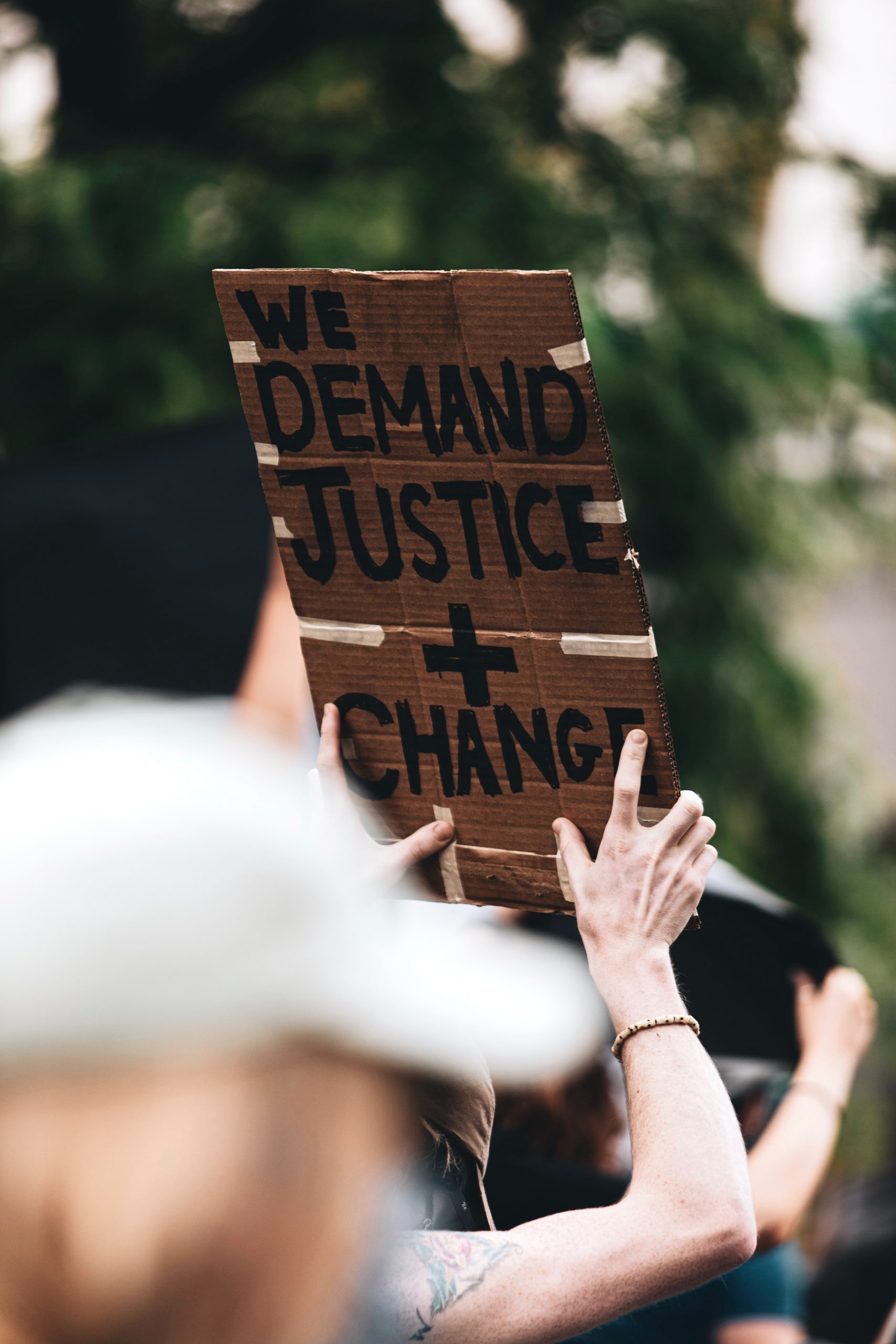

How Science Can Help Address Systemic Injustices: Exploring the Intersection of Social Justice and Scientific Research
- Science
- April 22, 2023
- No Comment
- 30
Science and social justice are often seen as two separate fields, but they have a lot more in common than we think. Scientific research has played an essential role in addressing systemic injustices that exist in our society, from the Civil Rights Movement to the present day. By exploring the intersection of science and social justice, we can gain new insights into how scientific advancements can help address issues such as racism, inequality, and discrimination. In this blog post, we will delve deeper into this topic and discover how science can be a powerful tool for creating positive change.
The Importance of Scientific Research in Social Justice
Scientific research has played a crucial role in advancing social justice movements throughout history. By providing evidence-based solutions to complex societal problems, scientific research has helped identify and address systemic injustices that would have otherwise gone unnoticed.
Through the use of rigorous experimentation and analysis, scientists have been able to uncover patterns of discrimination and inequality in various aspects of society such as education, healthcare, employment, housing, and criminal justice. This information is then used to develop policies and practices aimed at promoting equity for marginalized communities.
Moreover, scientific research has also served as a powerful tool for advocacy and activism by empowering individuals with knowledge about their rights and challenging traditional power structures that maintain inequality. The ability to gather data on social issues helps create awareness among policymakers which can lead to legislative action or changes within systems.
Ultimately, the importance of scientific research in promoting social justice lies in its ability not only to provide new insights into existing problems but also offer concrete solutions that are effective at tackling these issues head-on.
The Overlap Between Social Injustice and Science
Science and social justice may seem like two separate fields, but they are more intertwined than one might initially think. The study of science can reveal the root causes and effects of systemic injustices that plague our society. Conversely, social injustice can impact scientific research by limiting access to resources and opportunities for marginalized communities.
One example of this overlap is in healthcare disparities. Research has shown that people from certain racial or ethnic backgrounds may not receive the same quality of care as others due to implicit biases held by medical professionals. This bias can lead to misdiagnosis or delayed treatment, ultimately resulting in worse health outcomes.
Similarly, environmental racism is another area where science and social justice intersect. Communities of color are often disproportionately affected by pollution and other environmental hazards due to their location near industrial sites or lack of political power to influence policy decisions.
Science also plays a role in policing practices, such as facial recognition technology which has been found to have higher error rates when identifying people with darker skin tones. This can result in false arrests and wrongful convictions based on flawed evidence.
It’s important for scientists and researchers to recognize how social injustice affects their work, while also using their knowledge and skills to address these issues head-on through research initiatives aimed at better understanding how we can create a more equitable future for all.
Using Science to Address Systemic Racism
Science has the power to be a major player in addressing systemic racism. Research can uncover hidden biases, reveal disparities in healthcare and education, and provide evidence-based solutions for dismantling racism.
One way science is being used to address systemic racism is through genome-wide association studies (GWAS). GWAS can identify genetic variations that are associated with diseases or traits that disproportionately affect certain racial or ethnic groups. This knowledge can lead to targeted treatments and interventions.
Another area where science is making an impact on social justice issues related to race is in the study of implicit bias. Researchers are using brain imaging techniques such as fMRI to understand how implicit biases form and how they influence decision-making processes.
Science also plays a crucial role in identifying environmental factors that contribute to health disparities among marginalized communities. For example, researchers have found links between air pollution exposure and higher rates of asthma among Black children living in urban areas.
Using scientific research methods can help us better understand the root causes of systemic racism and provide evidence-based solutions for addressing it.
Implicit Bias in Scientific Research
The scientific method is supposed to be objective, free from personal biases or beliefs. However, implicit bias can still seep into research design and analysis, leading to skewed results that perpetuate systemic injustices.
Implicit bias refers to unconscious attitudes or stereotypes that affect our behavior and decisions without us even realizing it. In the context of scientific research, this can mean assuming certain groups are more prone to disease or less intelligent based on social constructs rather than actual evidence.
One example of implicit bias in science is the overrepresentation of white men in clinical trials for medications and treatments. This leads to a lack of understanding about potential differences in how people from different races and genders metabolize medication, resulting in potentially harmful outcomes.
To combat implicit bias in scientific research, it’s important for researchers to acknowledge their own biases and strive towards diversity and inclusion in study participants and team members. It’s also crucial for peer reviewers and editors to actively seek out potential biases when reviewing manuscripts.
By recognizing the role of implicit bias in scientific research, we can work towards creating more accurate findings that better serve all members of society.
Istory of Social Justice Movements and Scientific Advancements
The history of social justice movements and scientific advancements is one that has been intertwined for centuries. From the abolitionist movement to the civil rights movement, science has played a crucial role in these fights for equality.
During the 19th century, scientific research was used to justify slavery and segregation. However, some scientists began challenging this narrative by conducting research that debunked racist theories about intelligence and race-based differences.
In the early 20th century, social justice activists like W.
E.
B Du Bois recognized the importance of using empirical data to fight against systemic racism. He conducted studies on African-American communities that were groundbreaking at the time.
As time progressed, more scientists joined in on this cause. In 1954, Brown v. Board of Education challenged “separate but equal” policies with evidence from psychological studies showing how segregation negatively impacted black children’s development.
Today, scientists continue to work alongside social justice advocates in many ways—from researching economic inequality patterns to developing technology aimed at promoting fairness in policing practices.
Throughout history we have seen how science can be both a tool for oppression or liberation depending on who controls it—however when wielded correctly it can help address systemic injustices within society.
Addressing Social Injustice Through Science Today
In recent years, there has been a growing movement to address social injustice through science. Scientists have been working to develop new technologies and research methods that can help us better understand the root causes of systemic inequality and identify solutions that will promote greater equity in our society.
One way that scientists are addressing social injustice today is by studying the effects of environmental pollution on marginalized communities. For example, researchers have found that low-income neighborhoods and communities of color often experience higher levels of air pollution than more affluent areas. By quantifying these disparities, scientists are helping policymakers develop targeted interventions to reduce exposure and mitigate health risks.
Another area where science is making an impact is in criminal justice reform. Researchers are using data-driven approaches to evaluate policing practices and identify ways to improve community relations while reducing crime rates. Additionally, scientists are developing new tools for forensic analysis that can help prevent wrongful convictions and ensure fair outcomes in court.
Technology companies are increasingly recognizing their role in promoting social justice through innovation. From AI-powered language translation services for refugees to apps designed to combat food insecurity, tech firms are leveraging their resources and expertise to support underserved communities around the world.
Science has proven itself as a powerful tool for addressing social injustice today – but much work still needs to be done if we hope to achieve true equity both within our scientific institutions and throughout society at large.
Conclusion
Science plays a critical role in addressing systemic injustices. As we have seen, scientific research can uncover implicit biases and help us understand how social injustice is perpetuated through our institutions and systems. By using scientific evidence to inform policy decisions, we can work towards creating a more equitable society.
However, it’s important to recognize that science alone cannot solve all of our societal problems. It’s crucial that we prioritize the needs and perspectives of marginalized communities in both scientific research and policy-making processes. Only by working together with these communities can we truly address the root causes of social injustice.
By continuing to explore the intersection of social justice and scientific research, we can create a brighter future for everyone – one where equity, fairness, and justice are at the forefront of all decision-making processes.





