



risks of vaccines
- health
- June 14, 2023
- No Comment
- 20
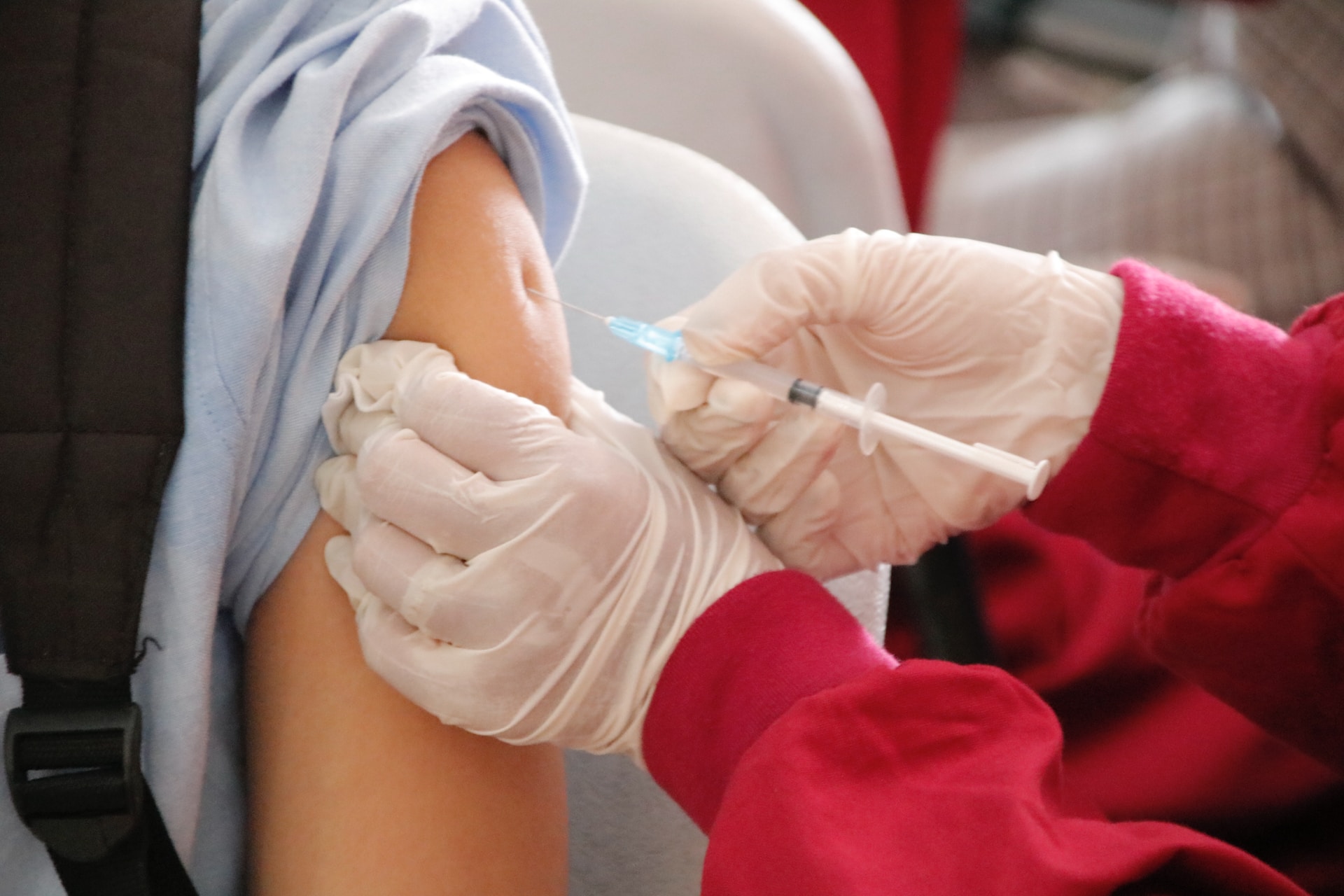
Vaccines play a critical role in protecting individuals and communities from infectious diseases. However, like any medical intervention, vaccines also carry potential risks. It’s important to understand and address these risks to make informed decisions about vaccination. Here are some key points regarding the risks associated with vaccines:
- Common Side Effects: Vaccines can cause side effects, but most are mild and temporary. These include pain or redness at the injection site, low-grade fever, fatigue, and muscle aches. Such reactions are generally a sign that the immune system is responding to the vaccine, building protection against the targeted disease.
- Rare Adverse Events: While rare, vaccines can, in some cases, lead to more serious adverse events. These events occur at a very low rate and are closely monitored by regulatory agencies. Examples include severe allergic reactions, febrile seizures, or temporary joint pain. Vaccine safety systems continually evaluate and investigate such events to ensure vaccine effectiveness and safety.
- Vaccine Precautions: Certain individuals may have specific conditions that require precautions or adjustments when receiving vaccines. These precautions are taken to minimize potential risks and ensure the best possible outcomes. For instance, individuals with a weakened immune system, severe allergies, or a history of certain medical conditions may require medical advice before vaccination.
- Vaccine Monitoring and Surveillance: To ensure ongoing vaccine safety, rigorous monitoring systems are in place. These systems collect data on adverse events following immunization (AEFIs) and conduct thorough investigations. Regulatory bodies, healthcare providers, and manufacturers collaborate to identify and respond to any potential safety concerns promptly.
- Risk-Benefit Analysis: When assessing the risks of vaccines, it’s crucial to consider the benefits they provide. Vaccines prevent the spread of infectious diseases, save lives, and reduce the burden on healthcare systems. The risks associated with these diseases, such as severe illness, complications, and even death, are typically higher than the risks associated with vaccination.
- Vaccine Confidence and Public Health: Vaccine confidence plays a vital role in maintaining public health. Transparency, clear communication, and addressing concerns are essential in building trust and ensuring widespread vaccine acceptance. Public health agencies, healthcare professionals, and communities work together to promote vaccine literacy and provide accurate information about risks and benefits.
It’s important to consult healthcare professionals, such as doctors or nurses, for personalized advice regarding vaccination. They can assess individual health histories and address any concerns or questions related to vaccine risks. By weighing the potential risks against the well-documented benefits of vaccines, individuals can make informed decisions that prioritize their health and the health of their communities.





