



Resilience of Street Cats
- Pet and animal
- May 15, 2023
- 1 Comment
- 29
In the concrete jungles and bustling alleys of our cities, a population of resilient feline inhabitants thrives against all odds. Street cats, often overlooked and marginalized, possess an extraordinary resilience that allows them to not only survive but also flourish amidst the challenges of their urban environments. This article explores the remarkable qualities and adaptive strategies that enable street cats to thrive in the face of adversity.
One of the most striking qualities exhibited by street cats is their remarkable resilience. Born and raised in harsh urban landscapes, they have developed a set of survival skills that allow them to navigate their challenging surroundings. Their ability to adapt to ever-changing circumstances is truly awe-inspiring. Whether it’s finding shelter in abandoned buildings, seeking warmth in hidden corners, or evading potential dangers, street cats display an extraordinary capacity to withstand the trials of their environment.
The resourcefulness of street cats is another testament to their resilience. With limited access to traditional food sources, these feline survivors have become masters of adaptation. They employ various strategies to secure their next meal, ranging from hunting small rodents and birds to scavenging through garbage bins and dumpsters. Their ability to capitalize on available resources and diversify their diet showcases their ingenuity and flexibility in the face of adversity.
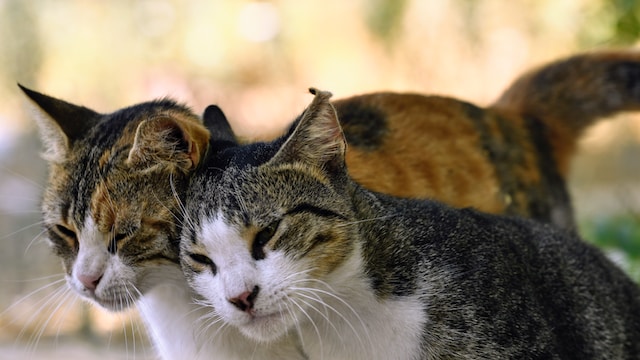
Community plays a crucial role in the resilience of street cats. These independent creatures have been observed forming loose social structures within their territories, creating support networks that offer a sense of camaraderie and protection. Sharing information about food sources and collaborating to defend their territories helps them navigate the challenges of their urban existence. This community-oriented behavior highlights their social intelligence and their innate drive to form connections, even in the most challenging circumstances.
While street cats have the ability to thrive amidst adversity, they are not without their fair share of challenges. Exposure to extreme weather conditions, lack of access to medical care, and conflicts with other animals and humans pose constant threats to their well-being. However, the resilience they exhibit in the face of these challenges is a testament to their unwavering spirit and determination to survive.
Efforts to support the resilience of street cats are crucial in fostering a more compassionate society. Organizations dedicated to feral cat welfare, as well as compassionate individuals, play a vital role in providing food, water, and medical care through trap-neuter-return (TNR) programs. These initiatives help manage feral cat populations, prevent the spread of diseases, and ensure their overall well-being. By supporting these endeavors and advocating for responsible pet ownership, we can contribute to creating a more inclusive and caring environment for street cats.
The resilience of street cats serves as a powerful reminder of the incredible adaptability and tenacity of life in challenging circumstances. Their ability to not only survive but thrive in the face of adversity is a testament to the strength of the animal spirit. As we navigate our own challenges, we can draw inspiration from these remarkable feline residents of our cities, appreciating their indomitable will and finding hope in their ability to overcome the most daunting of obstacles.
In conclusion, street cats embody the essence of resilience, defying the odds and thriving in the face of adversity. Their adaptability, resourcefulness, and community-oriented behavior are testaments to their remarkable spirit. By recognizing and supporting the resilience of street cats, we can create a more compassionate society that celebrates the resilience of all living beings.





1 Comments
[…] the hidden corners of our urban landscapes, a complex web of social interactions exists among a population often overlooked and misunderstood: […]