


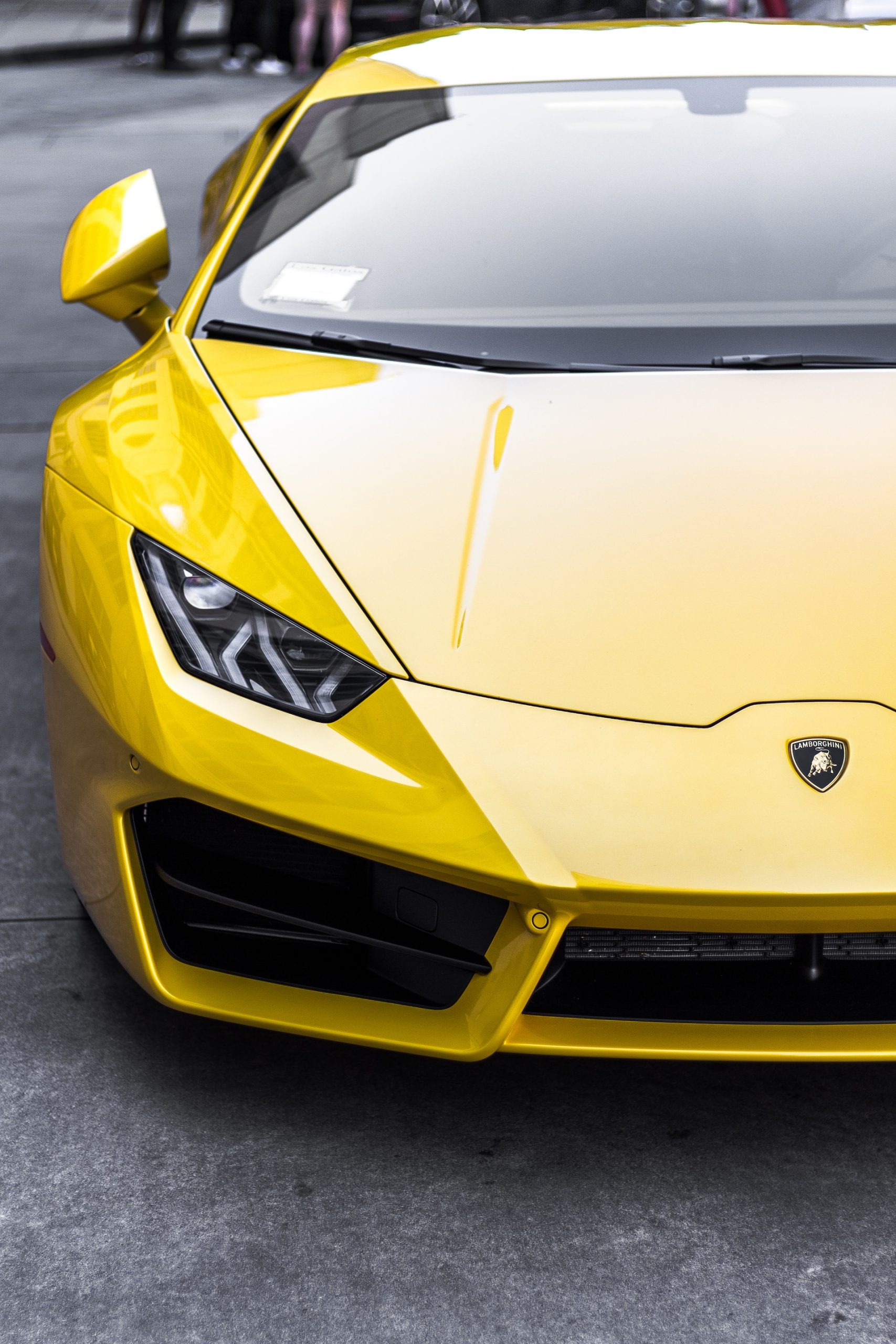

Lamborghini Aventador Replacement Gets Hybrid Makeover
- Autos & Vehicles
- May 4, 2023
- No Comment
- 24
Automaker Lamborghini is known for its high-performance, gasoline-powered supercars, but it seems the company is ready to embrace the trend towards electrification. The company has recently announced plans to replace its Aventador model with a new plug-in hybrid (PHEV) model, marking a significant shift in the company’s strategy.
The Aventador has been a flagship model for Lamborghini since its introduction in 2011. It has been praised for its aggressive styling and powerful V12 engine, which produces 759 horsepower and can reach a top speed of 217 miles per hour. However, as emissions standards become more stringent around the world, Lamborghini has been forced to look for alternatives to the traditional combustion engine.
The new Aventador successor will be Lamborghini’s second hybrid model, following the release of the limited-production Sian in 2019. The Sian is a hybrid hypercar that uses a V12 engine in combination with a supercapacitor-based hybrid system. It is the fastest and most powerful Lamborghini ever made, with a top speed of 217 miles per hour and a 0-60 mph time of under 2.8 seconds.
While details on the new Aventador successor are scarce, it is expected to feature a similar hybrid system to the Sian, which Lamborghini calls a “mild hybrid” setup. The system consists of a V12 engine combined with a 48-volt electric motor and a lithium-ion battery pack. The electric motor provides additional power during acceleration, while the battery pack can provide some electric-only driving range.
The Aventador replacement is part of Lamborghini’s plan to introduce hybrid technology across its entire lineup by 2024. The company has stated that it will not introduce fully electric models until at least the second half of the decade, citing concerns over weight and performance limitations of current battery technology.
Lamborghini CEO Stephan Winkelmann stated in a press release, “Lamborghini’s electrification plan is a newly-plotted course, necessary in the context of a radically changing world, where we want to make our contribution by continuing to reduce environmental impact through concrete projects.”
While some purists may lament the shift towards hybrid and electric powertrains in high-performance cars, it is clear that the trend is here to stay. Automakers such as Porsche and Ferrari have already introduced hybrid models, and even electric supercars like the Rimac C_Two and Pininfarina Battista have generated significant buzz in the industry.
The move towards electrification is not just a matter of meeting emissions standards; it is also about keeping up with consumer demand. A recent survey by J.D. Power found that 20% of new car buyers in the United States are interested in electric vehicles, up from 15% in 2020. As battery technology improves and charging infrastructure expands, it is likely that interest in electrified vehicles will continue to grow.
Of course, the shift towards electrification is not without its challenges. High-performance cars require large amounts of power, which can be a challenge for current battery technology. Weight is also a concern, as batteries can add significant heft to a car’s overall weight. However, as technology improves and automakers continue to innovate, these challenges are likely to be overcome.
The Lamborghini Aventador replacement is set to be unveiled in 2022, and it will be interesting to see how it is received by the automotive industry and the public. While some may mourn the loss of the iconic V12 engine, others will see the move towards hybrid technology as a necessary step forward. One thing is for sure: the Aventador successor will be a showcase for Lamborghini’s engineering prowess, regardless of its power source.





