


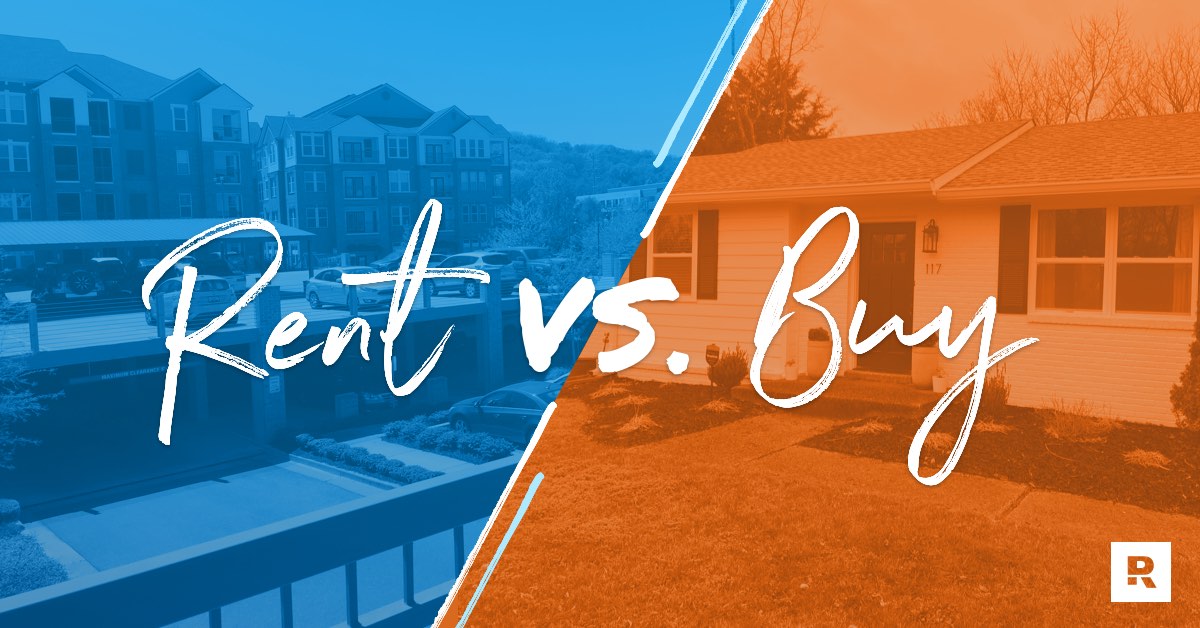

Renting vs. Buying: The Ultimate Home Decision Guide
- Real Estate
- September 20, 2023
- No Comment
- 23
Introduction
Are you standing at the crossroads of homeownership, unsure whether to rent or buy your next place of residence? The decision to rent or buy a home is one of the most significant financial choices you’ll make in your life. To help you navigate this crucial decision, this comprehensive guide breaks down the pros and cons of both options, ensuring you’re equipped with the knowledge needed to make the right choice for your unique circumstances.
Understanding Your Financial Situation
Before diving into the debate of renting vs. buying, it’s essential to understand your financial situation thoroughly. Let’s take a closer look:
Renting: The Pros and Cons
| Aspect | Pros | Cons |
|---|---|---|
| Financial | Lower upfront costs | No wealth accumulation |
| Flexibility | Easier to relocate | Limited control over property |
| Maintenance | Minimal maintenance responsibilities | No equity buildup |
| Stability | Fixed monthly costs | Subject to rent increases |
| Investment | No property appreciation | Miss out on potential property appreciation |

Buying: The Pros and Cons
| Aspect | Pros | Cons |
|---|---|---|
| Financial | Building equity | Higher upfront and ongoing costs |
| Flexibility | Control over property | Limited flexibility to move |
| Maintenance | Property appreciation | Responsibility for maintenance and repairs |
| Stability | Stable housing costs | Property value fluctuations |
| Investment | Investment potential | Market risk and property management |
Evaluating Your Lifestyle
Your lifestyle and future plans also play a significant role in the rent vs. buy decision. Consider the following:
Renting: A Flexible Lifestyle
If your career or personal circumstances involve frequent moves or if you prefer a maintenance-free lifestyle, renting may be your ideal choice. It offers:
- Flexibility: Easily relocate for job opportunities or personal preferences.
- Lower Commitment: No long-term financial commitment to a property.
- Minimal Hassle: Avoid the responsibilities of property maintenance.
Buying: Rooted in Stability
If you’re looking for stability and a long-term investment, buying a home may be your best bet. It provides:
- Ownership: The pride of homeownership and building equity.
- Stability: Predictable monthly payments and a sense of belonging.
- Investment: Potential for property value appreciation over time.
Crunching the Numbers
Let’s dive deeper into the financial aspect and see how the numbers stack up:
Renting: The Financial Picture
- Upfront Costs: Lower initial expenses, mainly security deposit and first month’s rent.
- Monthly Expenses: Stable monthly rent, but subject to increases.
- Wealth Accumulation: No equity buildup, rent payments don’t contribute to ownership.
Buying: The Financial Picture
- Upfront Costs: Higher upfront expenses, including down payment, closing costs, and ongoing mortgage payments.
- Monthly Expenses: Mortgage payments may be stable, but you’re responsible for property taxes, insurance, and maintenance.
- Wealth Accumulation: Building equity with each mortgage payment, potential property appreciation.
Market Conditions Matter
One crucial aspect often overlooked is the state of the real estate market. It can significantly impact your decision:
Renting in a Buyer’s Market
- Pros: Negotiate lower rent, more rental options.
- Cons: Potential instability if landlords sell properties.
Buying in a Seller’s Market
- Pros: Property appreciation potential.
- Cons: Competitive buying environment, higher prices.
Your Decision-Making Toolkit
So, which path should you choose? Ultimately, the decision to rent or buy your home should align with your financial goals, lifestyle, and market conditions. Consider these key takeaways:
- Renting is Ideal If: You prioritize flexibility, have a mobile lifestyle, and prefer lower upfront costs.
- Buying is Ideal If: You seek long-term stability, want to build wealth through property, and are prepared for the responsibilities of homeownership.
Remember, there’s no one-size-fits-all answer. Consult with a real estate professional, assess your financial readiness, and weigh the pros and cons carefully. Your choice today will shape your financial future tomorrow.
In the end, whether you choose to rent or buy, what truly matters is finding a place you can call home.
Renting vs. Buying: A Comparative Overview
| Aspect | Renting | Buying |
|---|---|---|
| Financial Impact | Lower upfront costs, no wealth accumulation | Higher upfront costs, building equity |
| Flexibility | Easier relocation, limited control | Control over property, limited mobility |
| Maintenance | Minimal responsibilities, no equity buildup | Property appreciation, maintenance obligations |
| Stability | Fixed monthly costs, subject to increases | Stable housing costs, property value fluctuations |
| Investment | No property appreciation, miss investment potential | Investment potential, market risks |





