


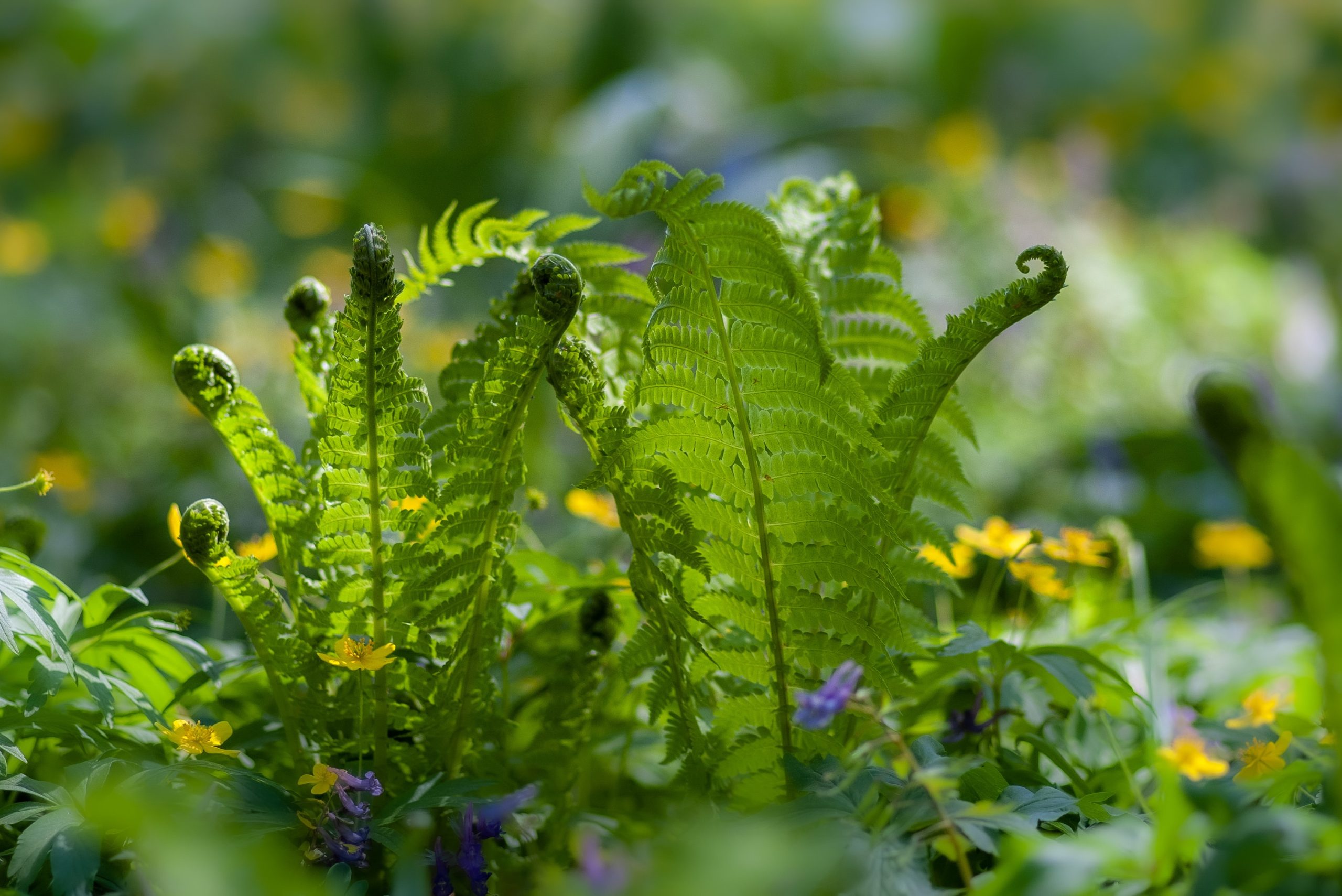

Nature’s Chameleons: Unveiling the Remarkable Adaptations of Flora in Diverse Environments
- HOME Garden
- May 24, 2023
- No Comment
- 19
Subtitle 1: A World of Diversity and Adaptability
The natural world is a treasure trove of astonishing adaptability, where flora showcases an array of remarkable adaptations to thrive in diverse environments. Just like chameleons change their colors to blend into their surroundings, plants have evolved a multitude of strategies to survive and flourish in various habitats. From the scorching deserts to the icy tundras, from lush rainforests to barren mountains, let’s delve into the captivating world of nature’s chameleons – the flora that transforms itself to conquer its surroundings.
Subtitle 2: Desert Dwellers: Succulent Strategies
In the arid landscapes of deserts, where water is scarce and temperatures are extreme, plants have evolved an assortment of succulent adaptations. Succulents, such as cacti and agaves, are masters of water storage. Their thick, fleshy stems and leaves act as reservoirs, enabling them to store water for extended periods. Additionally, many desert plants have evolved specialized structures like spines and hairs to reduce water loss and protect themselves from the relentless sun. These adaptations allow them to survive in environments that would otherwise be uninhabitable.
Subtitle 3: Tundra Titans: Surviving the Cold
The tundra, a frozen expanse with frigid temperatures and a short growing season, poses a formidable challenge for plant life. However, nature has devised ingenious adaptations to conquer these harsh conditions. Plants in the tundra have shallow root systems that take advantage of the thin layer of soil above the permafrost. Additionally, they often grow close to the ground, reducing exposure to icy winds and conserving heat. Some plants even have fine hairs on their leaves, acting as insulation against the cold. By huddling together and collectively shielding each other from the elements, these hardy tundra titans manage to thrive amidst adversity.
Subtitle 4: Rainforest Wonders: Embracing the Canopy
In the lush rainforests, where sunlight is a prized resource, plants have evolved to reach for the skies. The towering giants of the rainforest, such as the mighty trees, have developed remarkable adaptations to reach sunlight above the dense canopy. Buttress roots provide stability in the shallow rainforest soils, while epiphytes take advantage of the trees as a platform to access light and nutrients. The leaves of many rainforest plants are large and waxy, allowing them to capture as much sunlight as possible and shed excess moisture in the perpetually humid environment. These adaptive marvels create a mesmerizing tapestry of life in the rainforest.
Subtitle 5: Mountain Marvels: Scaling New Heights
High in the mountains, where oxygen levels decrease and temperatures plummet, plant life has found ways to thrive. Adaptations in alpine environments often involve compact growth forms to conserve energy and minimize exposure to harsh conditions. Many mountain plants have developed dense, cushion-like structures that protect them from strong winds and freezing temperatures. Some species have also evolved unique mechanisms to absorb moisture from fog and mist, ensuring a steady supply of water in these challenging environments. By defying gravity and adapting to the thin air, these mountain marvels paint the slopes with their resilience.
Subtitle 6: Coastal Champions: Braving the Elements
Along the coastlines, where saltwater and strong winds prevail, plants have evolved strategies to withstand the relentless onslaught. Salt-tolerant plants, known as halophytes, possess specialized mechanisms to cope with high levels of salinity. They often have succulent leaves that store excess salt or special glands that excrete salt from their tissues. Coastal plants also have flexible stems that allow them to bend and sway





