


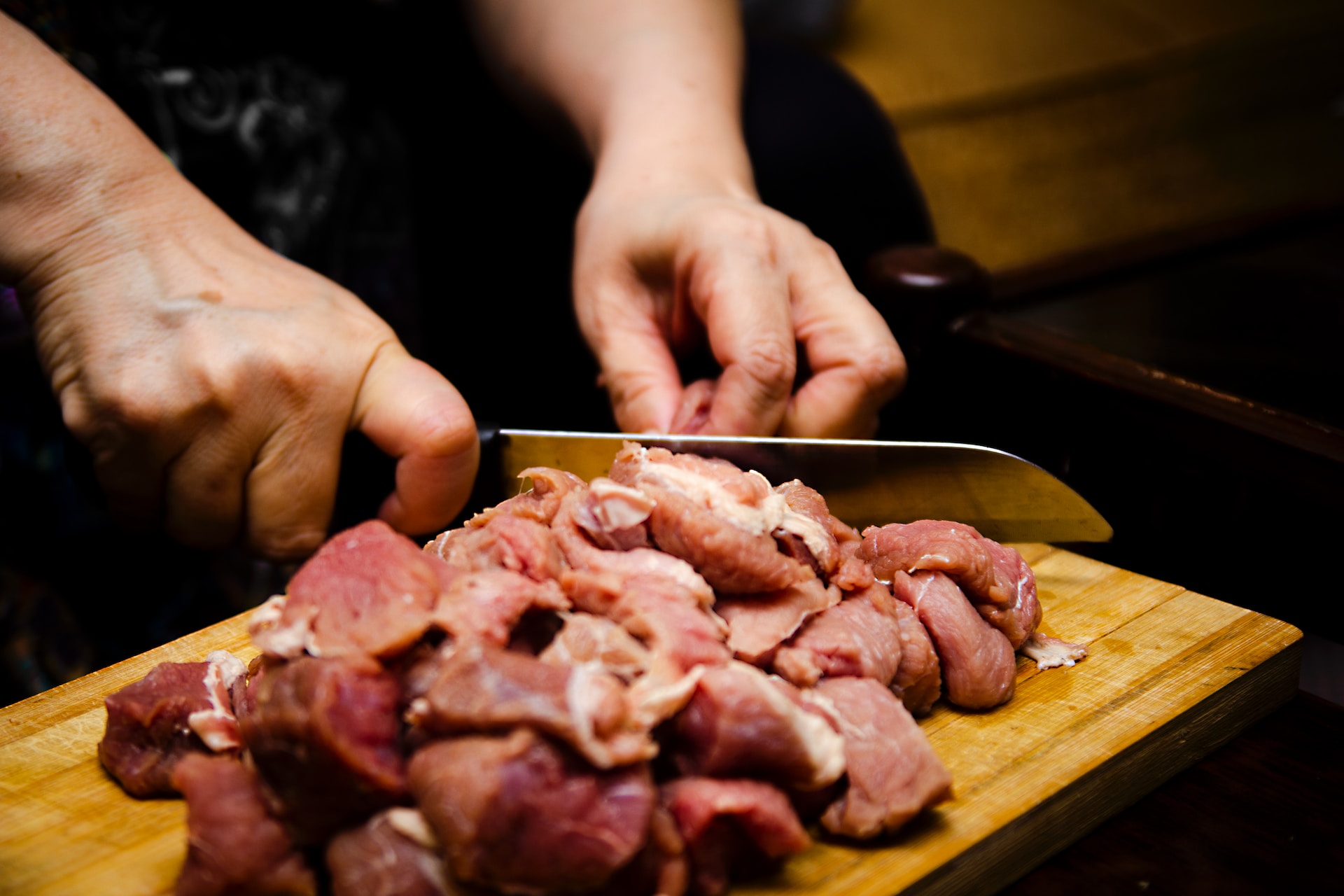

Red Meat and Cancer: New Study Sheds Light on the Troubling Connection!
- Food Drink
- June 14, 2023
- No Comment
- 25
Red Meat and Cancer: New Study Sheds Light on the Troubling Connection!
A recent study has uncovered concerning evidence regarding the link between red meat consumption and an increased risk of cancer. The findings of this study have brought attention to the need for a better understanding of the relationship between red meat and cancer development.
Study Findings and Implications
Researchers conducted a comprehensive study that revealed compelling evidence suggesting a strong association between consuming red meat and a higher risk of developing certain types of cancer. The results indicate that individuals who regularly consume red meat, including beef, pork, and lamb, may face an elevated likelihood of cancer. These findings have significant implications for public health and underscore the importance of considering the potential risks associated with red meat consumption.
Connecting Red Meat to Cancer
The study establishes a clear connection between red meat consumption and an increased cancer risk. Specifically, the research highlights a higher incidence of colorectal cancer, as well as other types such as pancreatic and prostate cancer, among individuals with a higher intake of red meat. These findings emphasize the importance of further investigating the mechanisms by which red meat may contribute to cancer development.
Unraveling the Mechanisms and Contributing Factors
While the precise mechanisms behind the red meat-cancer link are not yet fully understood, researchers have put forth several hypotheses. One possibility is that the cooking process of red meat produces harmful compounds, such as heterocyclic amines (HCAs) and polycyclic aromatic hydrocarbons (PAHs), which have carcinogenic properties. Additionally, the high content of saturated fat and heme iron in red meat may also play a role in increasing the risk of cancer.
Moderation and Healthier Alternatives
In light of these findings, it is advisable to approach red meat consumption with caution and make healthier choices. While completely eliminating red meat from the diet may not be necessary for everyone, reducing its intake and opting for leaner cuts can help mitigate potential risks. Exploring alternative sources of protein, such as poultry, fish, legumes, and plant-based options, can offer nutritional benefits while reducing reliance on red meat.
Informed Decision-Making for Personal Health
The study underscores the importance of informed decision-making when it comes to dietary choices. Individuals should be aware of the potential risks associated with red meat consumption and consider incorporating a variety of healthier foods into their diets. Consulting with healthcare professionals or registered dietitians can provide valuable guidance in developing personalized eating plans that promote overall health and well-being.
Advocating for Public Health Awareness
The findings of this study call for increased public health awareness regarding the potential risks of consuming red meat. Health organizations, educators, and healthcare professionals play a critical role in disseminating this information and promoting evidence-based guidelines for healthier eating habits. By raising awareness and encouraging informed choices, we can collectively work towards improving public health outcomes.
Further Research for a Deeper Understanding
While this study provides significant insights, further research is needed to fully grasp the complex relationship between red meat consumption and cancer risk. Ongoing scientific investigations will help elucidate additional mechanisms and provide a basis for developing strategies to minimize potential risks. Continued research efforts will contribute to refining dietary recommendations and advancing our understanding of cancer prevention.
Collaborative Efforts for a Healthier Future
Addressing the potential cancer risks associated with red meat consumption requires collaborative efforts from researchers, policymakers, and individuals. By fostering collaboration and knowledge sharing, we can collectively strive towards implementing effective public health strategies, promoting healthier food choices, and reducing the overall burden of cancer in society.
Empowering Individuals for Better Health
With the knowledge gained from this study, individuals have the opportunity to make informed decisions and adopt healthier dietary practices. By making conscious choices and diversifying our food options.





