



Breaking Down Recent Supreme Court Decisions on Civil Rights
- Law Government
- April 18, 2023
- No Comment
- 24
Introduction
When it comes to civil rights, the Supreme Court has had a significant impact on shaping the laws and policies that govern our nation. From landmark cases like Brown v. Board of Education to recent decisions that have made headlines, this branch of government plays a crucial role in ensuring equal protection under the law for all Americans. In this blog post, we’ll break down some of the most important recent Supreme Court decisions related to civil rights and discuss their implications for our society as a whole. So grab a cup of coffee and join us as we explore this fascinating topic!
The Civil Rights Act of 1964
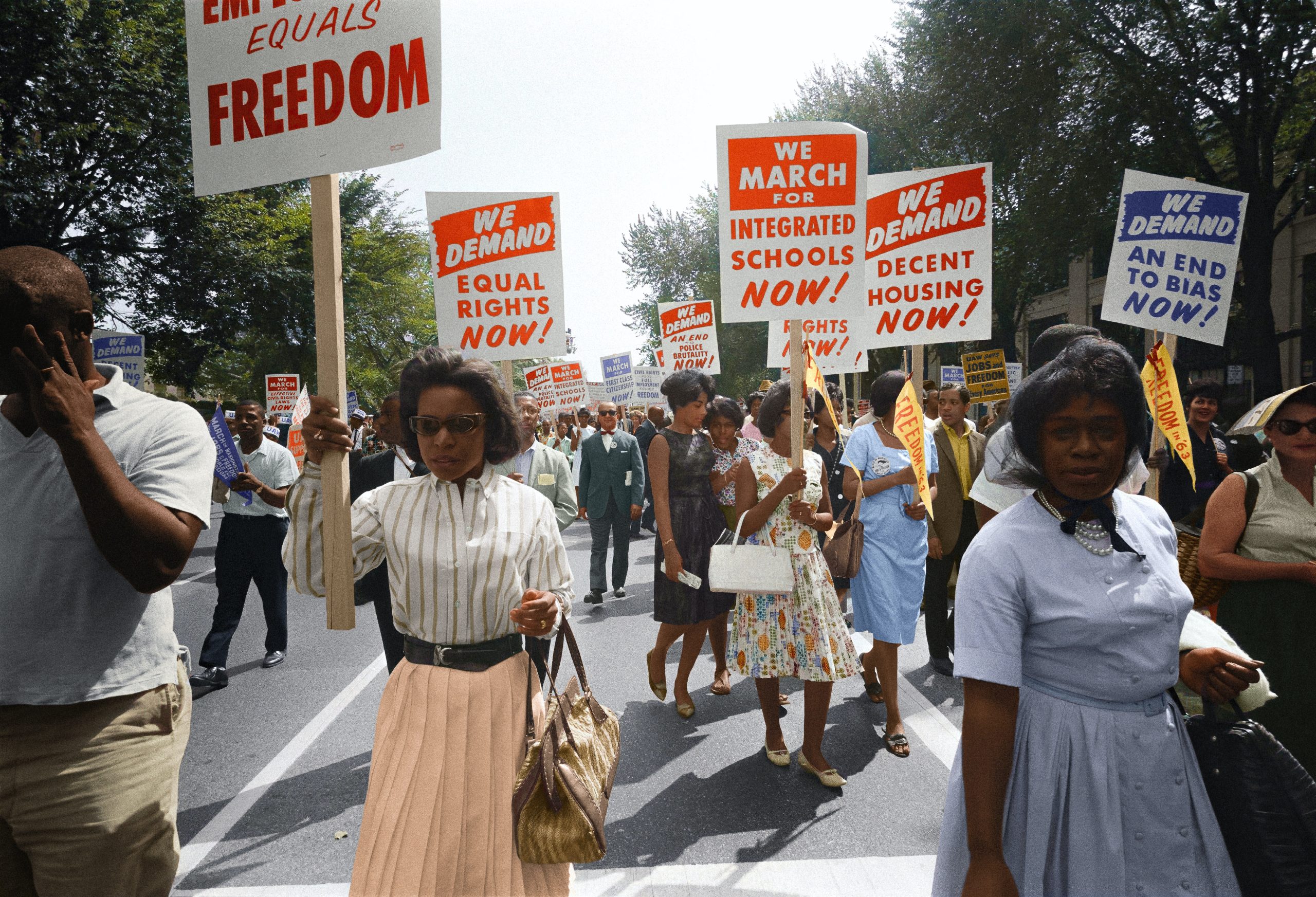
The Civil Rights Act of 1964 is a landmark piece of legislation that has had a profound impact on American society. It was signed into law by President Lyndon B. Johnson and helped to end decades of discrimination against African Americans and other minorities.
One of the key provisions of the act was Title VII, which prohibited employment discrimination based on race, color, religion, sex, or national origin. This provision helped to open up new opportunities for women and minorities in the workplace and played a significant role in reducing racial and gender inequalities.
The Civil Rights Act also contained important provisions addressing voting rights, education, public accommodations, and housing discrimination. These provisions helped to eliminate many forms of segregation that were still prevalent in American society at the time.
Despite its successes, however, The Civil Rights Act was not without controversy. Many opponents argued that it represented an overreach by the federal government into state affairs and that it violated states’ rights.
Though, The Civil Rights Act remains one of the most important pieces of legislation in American history – a testament to our ongoing struggle towards equality and justice for all people regardless of their race or ethnicity.
The Equal Protection Clause
The Equal Protection Clause is a crucial component of civil rights law in the United States. It’s a provision found within the 14th Amendment to the U.
S. Constitution, which states that no state shall “deny to any person within its jurisdiction the equal protection of the laws.”
This clause has been used to prevent discrimination against various groups, including racial minorities, women, and members of the LGBTQ+ community. In essence, it prohibits states from passing laws or taking actions that treat people differently based on their race, gender identity or sexual orientation.
The Equal Protection Clause has played a significant role in many landmark Supreme Court cases throughout history. For example, Brown v. Board of Education (1954) used this clause to strike down school segregation policies as unconstitutional.
More recently, Obergefell v. Hodges (2015), which legalized same-sex marriage nationwide also relied heavily on this important constitutional principle.
The Equal Protection Clause ensures that all individuals are guaranteed equal treatment under the law regardless of who they are or where they come from – an essential aspect of ensuring justice and fairness for all Americans.
Recent Supreme Court Cases
In recent years, the Supreme Court has heard several cases related to civil rights that have had significant implications for individuals and society as a whole. One such case was Bostock v. Clayton County (2020), in which the court ruled that Title VII of the Civil Rights Act of 1964 protects employees from discrimination based on their sexual orientation or gender identity.
Another notable case is Shelby County v. Holder (2013), in which the court struck down a key provision of the Voting Rights Act of 1965, effectively allowing states with a history of racial discrimination to change their voting laws without federal oversight.
More recently, in Fulton v. City of Philadelphia (2021), the court ruled that a Catholic foster care agency could not be forced by the city to place children with same-sex couples because it would violate their religious beliefs.
These cases demonstrate how interpretations and implementations of civil rights laws can shift over time and reveal ongoing debates about issues like equality, discrimination, and religious freedom. As society continues to evolve, it will be important for courts to continue grappling with these complex questions while upholding fundamental principles of justice and fairness for all people.
Conclusion
The Supreme Court’s recent decisions on civil rights have shown that progress towards equal protection under the law is ongoing. While some rulings may be disappointing for advocates of civil rights, it is important to continue fighting for justice and equality in all areas of society.
The Civil Rights Act of 1964 remains a landmark achievement in American history, but there is still work to be done to ensure that its promises are fully realized. The Equal Protection Clause provides an essential framework for protecting individual liberties and ensuring fair treatment under the law.
As we move forward, it will be crucial to stay informed about legal developments and continue advocating for change at every level of government. By working together and remaining vigilant in our pursuit of justice, we can build a better future for ourselves and generations to come.





