


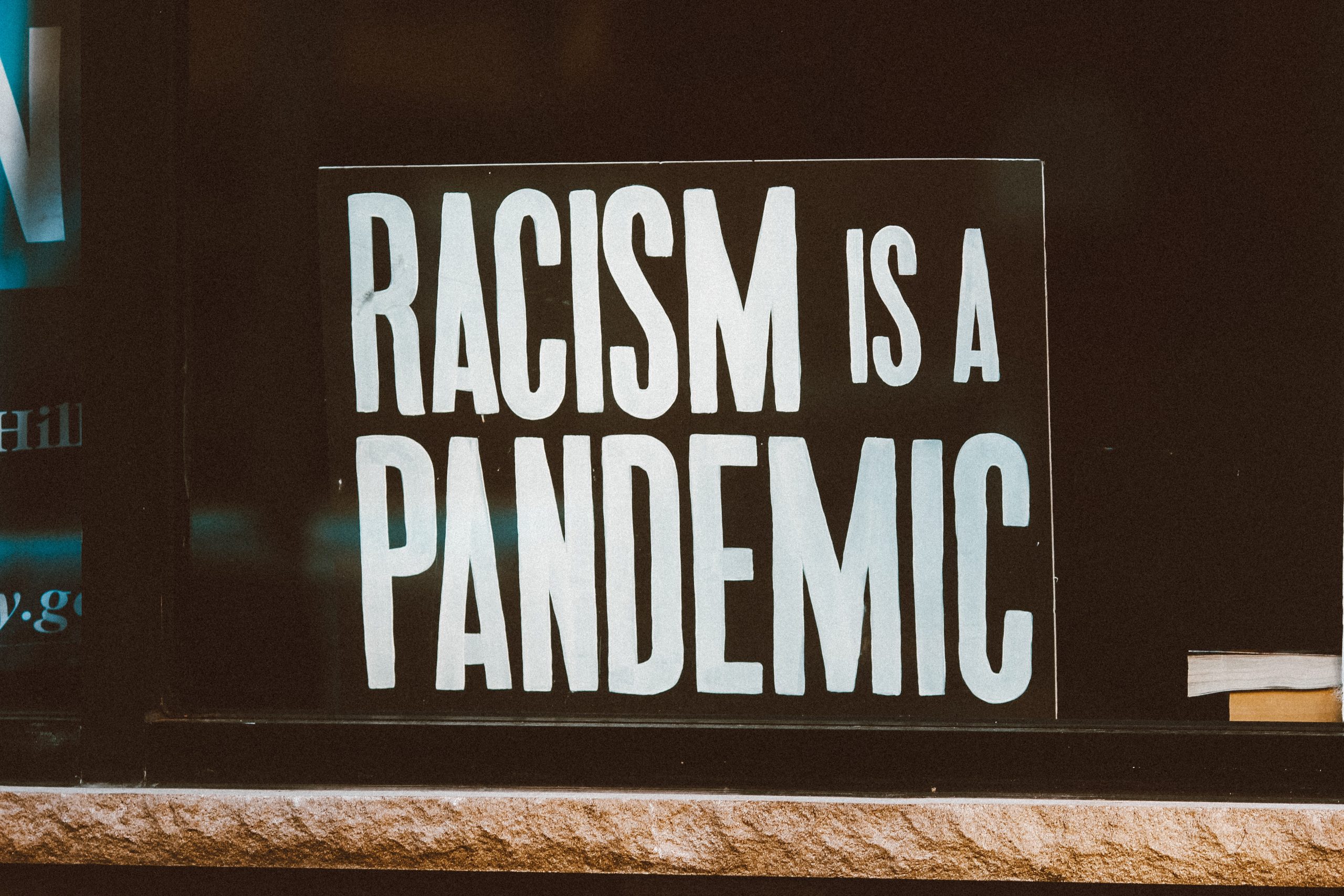

Racism and Mental Health: The Connection You Need to Know About
- health
- March 28, 2023
- No Comment
- 22
Racism is not only a social issue, but it also affects mental health in ways that are often overlooked. Discrimination and prejudice can take a toll on an individual’s well-being, leading to psychological distress, anxiety, depression, trauma and post-traumatic stress disorder (PTSD). It’s time we acknowledge the connection between racism and mental health so we can address this critical issue head-on. In this blog post, we will explore the link between racism and mental health while offering practical tips for coping with the emotional impact of discrimination. So buckle up as we dig deep into the intersection of race and mental health!
Racism is a problem in America
Racism is a problem in America. The United States is home to the largest population of people of color in the world, and yet minorities continue to experience systemic racism and discrimination. Racism can have serious mental health consequences for individuals of color, which is why it’s important to understand the connection between racism and mental health.
Racial disparities in income, education, employment, housing, and health care are longstanding problems in America. These disparities are also linked to heightened levels of stress and anxiety among people of color. Racial discrimination has been shown to increase anxiety and stress levels, as well as damaging mental health outcomes such as insomnia, depression, and substance abuse.
People of color face unique challenges when it comes to seeking mental health services. Due to pervasive stereotypes and negative attitudes about race that exist throughout American society, many people of color feel uncomfortable discussing their racial identity or experiences with mental health professionals. This can make it difficult for them to get the help they need when faced with psychological distress.
There are several ways that racism contributes to mental health problems among marginalized groups in America. Racism leads to feelings of isolation, powerlessness, and frustration. It can also lead to feelings of insecurity and anger, which can negatively impact psychological well-being. In addition, racism contributes to higher rates of both physical and psychological violence against marginalized communities. All these factors create an environment where mental health issues tend to flourish.
It’s important for everyone – including those who
Mental Health and Racism
Mental health and racism are two topics that are often related, but they’re not always mentioned in the same sentence. That’s because mental health is a complex topic, and there’s no one-size-fits-all answer when it comes to how racism affects people.
That said, there are some key things you can do if you think your mental health might be affected by racism. First of all, talk to somebody. Whether it’s a family member, friend, or therapist, talking about how you’re feeling is the first step to getting help.
Second, try to get active in your community. This may mean joining a political organization or starting your own grassroots campaign for social justice. It also means connecting with other people with similar interests and goals. After all, being around likeminded people can help lift your spirits and make you feel more connected to the world around you.
Last but not least, don’t hesitate to reach out for professional help if necessary. There are plenty of therapists who specialize in working with people who have been affected by racism, and their services are usually free or very affordable (depending on location). Plus, they’ll be able to provide you with the support and guidance you need to start recovering from your experiences
The Link Between Racism and Mental Health
Racism and mental health are linked in a number of ways. Racism is a form of prejudice and discrimination that refers to the belief that some people are inherently superior to others based on their skin color, national origin, or ethnicity. It can lead to feelings of anger, frustration, and humiliation.
Mental health issues can also stem from racism. People who experience racism often feel like they have no control over their own lives. This can lead to anxiety, stress, and depression. Racism can also lead to negative attitudes about oneself and one’s own race, which can in turn lead to mental health problems.
There is a strong link between racism and mental illness. The National Alliance on Mental Illness (NAMI) reports that people of color are more than twice as likely as white people to experience serious mental illness. This is likely due to the way that racism impacts both mental health and physical health. For example, people of color are more likely than white people to live in areas with high levels of poverty and crime. These conditions can lead to anxiety, stress, and depression, all of which are common symptoms of mental illness.
There are concrete ways that you can help reduce the impact of racism on mental health. First, be attentive when you see signs of racism or bigotry directed at someone else. If you witness anyone being treated unfairly because of their race or ethnicity, speak out against it! Second, try to be mindful when you make assumptions about
Racism and Mental Health: Solutions
Mental health is a personal issue that can have a ripple effect on everyone around them. It’s no secret that racism and discrimination can have a negative impact on mental health, but the connection between racism and mental health isn’t always well understood.
There are a few reasons why racism could lead to mental health issues. Racism can be emotionally damaging because it leads to feelings of hatred, anger, and isolation. This type of bias can also lead to paranoia, which is when someone has intense suspicions about others that are irrational.
These feelings can build up over time and lead to anxiety, depression, and PTSD (post-traumatic stress disorder). Racism also has physical effects on the mind and body. Research has shown that people of color are more likely to experience chronic stressors like financial instability or housing insecurity. These factors can trigger conditions like hypertension and diabetes in African Americans and Latinos, respectively.
It’s important to remember that not all black or Latino people face these challenges head-on. But regardless of whether someone experiences direct discrimination or not, being subjected to systemic racism every day has an indirect impact on mental health.”
Conclusion
Racism is an issue that affects everyone, regardless of race. It can have a significant impact on mental health, causing anxiety and depression in those who experience it regularly. Unfortunately, racism is often viewed as a problem that only affects certain groups of people, such as African Americans or Hispanics. But this couldn’t be further from the truth. Racism can affect anyone, no matter their skin color or ethnicity. The key is to understand how it works and to identify the signs so that you can take action to address it head-on.





