


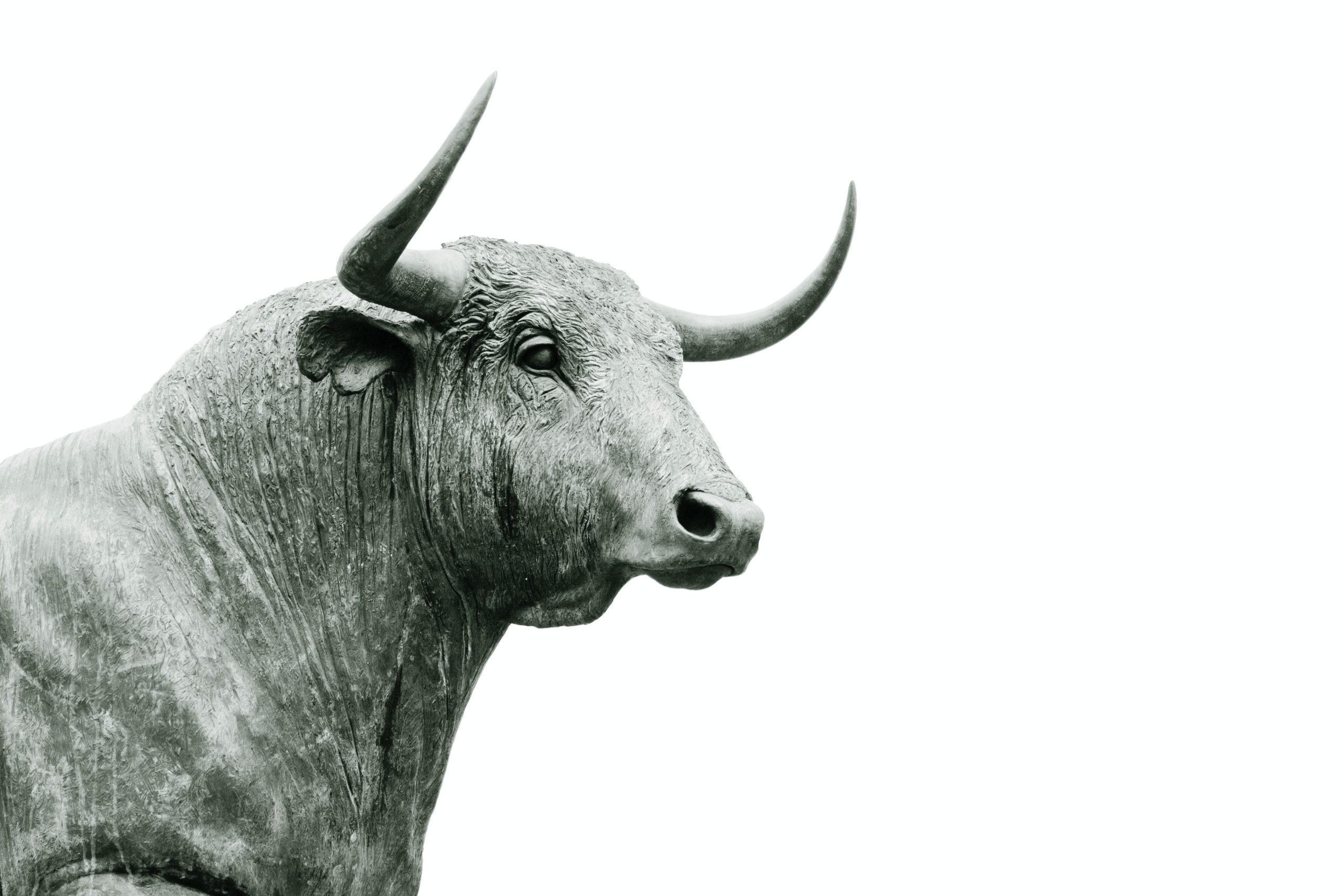

Psychology of Bulls in Agriculture
- Pet and animal
- April 26, 2023
- No Comment
- 25
Bulls, with their impressive size, power, and strength, have always held a certain fascination for humans. From agriculture to wildlife conservation, bulls play an important role in many aspects of our lives. But what goes on in their minds, and how do they behave in different situations? Understanding the psychology of bulls is crucial in effectively managing them in various settings.
One of the most common misconceptions about bulls is that they are naturally aggressive and violent. In fact, bulls are generally gentle animals that only exhibit aggressive behavior in certain circumstances. For example, bulls may become aggressive when they feel threatened or when they perceive a threat to their territory or their herd. They may also become agitated during breeding season, as they compete with other males for the attention of females.
In agriculture, understanding the psychology of bulls is essential in managing their behavior on farms and ranches. Farmers and ranchers need to be aware of the various triggers that can cause bulls to become aggressive, and they need to take steps to prevent these situations from occurring. For example, bulls should be kept away from unfamiliar animals or people, and they should be provided with plenty of space and resources to avoid competition and aggression.
In wildlife conservation, understanding the psychology of bulls is crucial in managing their behavior in natural habitats. Many bull species are considered endangered, and conservationists must carefully monitor their behavior to ensure their survival. By understanding the natural behavior and social dynamics of bulls, conservationists can develop effective strategies to protect their populations and promote their reproduction.
Research has shown that bulls exhibit a wide range of cognitive abilities, including problem-solving, memory, and social learning. They are also highly sensitive to their environment and can respond to subtle changes in their surroundings. For example, bulls can detect changes in temperature, humidity, and air pressure, which can affect their behavior and physiology.
Despite their size and strength, bulls are vulnerable to stress and can suffer from a range of health problems if they are not properly managed. In agriculture, stressed bulls may experience reduced growth rates, decreased fertility, and higher rates of disease. In wildlife conservation, stressed bulls may exhibit abnormal behavior, reduced reproductive success, and decreased survival rates.
In conclusion, understanding the psychology of bulls is essential in effectively managing their behavior in agriculture and wildlife conservation. By recognizing the triggers that can cause aggressive behavior and providing appropriate resources and management strategies, farmers, ranchers, and conservationists can promote the health and well-being of these majestic animals.





