



Preserving Vegetable Freshness: Mastering Vacuum Sealing Techniques
- FoodFood Drinkhealth
- October 20, 2023
- No Comment
- 30
Vacuum sealing is a powerful preservation method that can significantly prolong the shelf life of vegetables. By removing air from the packaging, vacuum sealing helps prevent oxidation, reduce moisture-related spoilage, and maintain the freshness of your vegetables. In this article, we will explore how vacuum sealing works, its benefits for preserving vegetables, and the best practices to ensure successful vacuum sealing.
1. Understanding Vacuum Sealing
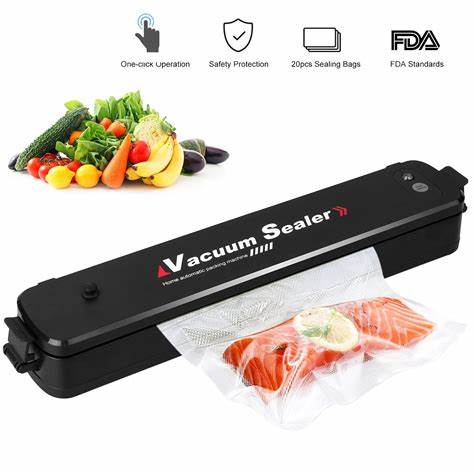
Vacuum sealing is a method that removes air from a sealed container or bag. It creates a vacuum, eliminating oxygen, which is a primary factor contributing to food spoilage. This method typically involves a vacuum sealer machine, which suctions out air from specially designed bags or containers. When it comes to vegetables, vacuum sealing can be particularly effective due to their sensitivity to moisture, oxygen, and temperature fluctuations.
2. Benefits of Vacuum Sealing for Vegetables
- Extended Shelf Life: Vacuum sealing dramatically extends the shelf life of vegetables. By removing oxygen and preventing oxidation, it slows down the natural aging and deterioration processes.
- Reduced Spoilage: Vacuum sealing minimizes the risk of moisture-related spoilage, such as mold and bacterial growth, as it creates an airtight environment.
- Preservation of Nutrients: Vacuum sealing helps preserve the nutritional value of vegetables because it minimizes exposure to air and light, which can degrade vitamins and minerals.
- Prevent Freezer Burn: For those planning to freeze vegetables, vacuum sealing is an excellent way to prevent freezer burn, which can affect both taste and texture.
- Improved Storage Efficiency: Vacuum-sealed bags or containers take up less space compared to traditional storage methods, allowing for efficient use of freezer or pantry space.
https://th.bing.com/th/id/OIP.B-gk6IAwgATCDRtKX7ZDegHaHa?pid=ImgDet&rs=1
3. Best Practices for Vacuum Sealing Vegetables
To ensure successful vacuum sealing and maintain the quality of your vegetables, it’s crucial to follow these best practices:
- Choose Fresh Vegetables: Start with fresh, high-quality vegetables. Vacuum sealing can prolong their shelf life, but it won’t revive wilted or spoiled produce.
- Prep Vegetables: Clean and prep the vegetables as needed. Remove any damaged or spoiled parts, and cut them into sizes suitable for your intended use. For example, slice carrots or bell peppers into sticks or cubes.
- Blanching (Optional): Some vegetables benefit from blanching before vacuum sealing. Blanching involves briefly boiling or steaming the vegetables to halt enzyme activity and kill off any bacteria. After blanching, cool the vegetables quickly in an ice bath before drying them thoroughly.
- Use Appropriate Bags or Containers: Use specially designed vacuum-sealing bags or containers. These are made to withstand the vacuum-sealing process and provide an airtight seal. Ensure the bags are clean and dry.
- Leave Adequate Space: When placing vegetables in the bags, leave some space between the contents and the top of the bag. This allows for a proper seal and prevents the contents from interfering with the sealing process.
- Seal Carefully: Follow the manufacturer’s instructions for your vacuum sealer machine. Most machines have settings for moist or dry foods, so select the appropriate option based on the vegetables you’re sealing. Avoid overfilling the bags.
- Double-Seal for Extra Security: For an added layer of protection, consider double-sealing your vacuum bags. Some vacuum sealers offer this feature.
- Label and Date: After sealing, label the bags with the contents and the date. This helps you keep track of the freshness of your vegetables and prevents any confusion later on.
- Store Properly: Store the vacuum-sealed vegetables in a cool, dry place. Depending on your preference, you can store them in the refrigerator, freezer, or pantry. Be mindful of the recommended storage temperature for the specific vegetables you’ve sealed.
4. Vegetables Suited for Vacuum Sealing
While vacuum sealing can work well for various vegetables, some are particularly well-suited for this preservation method:
- Leafy Greens: Spinach, kale, and other leafy greens are excellent candidates for vacuum sealing, especially after blanching and drying.
- Cruciferous Vegetables: Broccoli, cauliflower, and Brussels sprouts can maintain their quality for an extended period when vacuum-sealed.
- Root Vegetables: Carrots, potatoes, and sweet potatoes can be vacuum-sealed to preserve their texture and flavor.
- Peppers: Bell peppers, both sweet and hot varieties, can be vacuum-sealed after cutting and removing seeds.
- Herbs: Fresh herbs can be vacuum-sealed to keep their flavor intact for an extended period.
https://img.ebyrcdn.net/873702-840025-800.jpg
5. Be Mindful of Gas-Producing Vegetables
It’s important to note that some vegetables release gases as they age. This can cause the vacuum-sealed bags to puff up over time. Gas-producing vegetables like onions and garlic may require special handling to prevent the bags from bursting. One approach is to store them separately from other vegetables and ensure that they are adequately dried before sealing.
Conclusion
Vacuum sealing is an effective method for extending the shelf life of vegetables and preserving their freshness. By following the best practices outlined in this article, you can make the most of your vacuum sealer machine and enjoy the benefits of longer-lasting, nutrient-rich vegetables. Whether you’re looking to reduce food waste, plan meals in advance, or simply maintain the quality of your garden harvest, vacuum sealing is a valuable technique to consider.





