


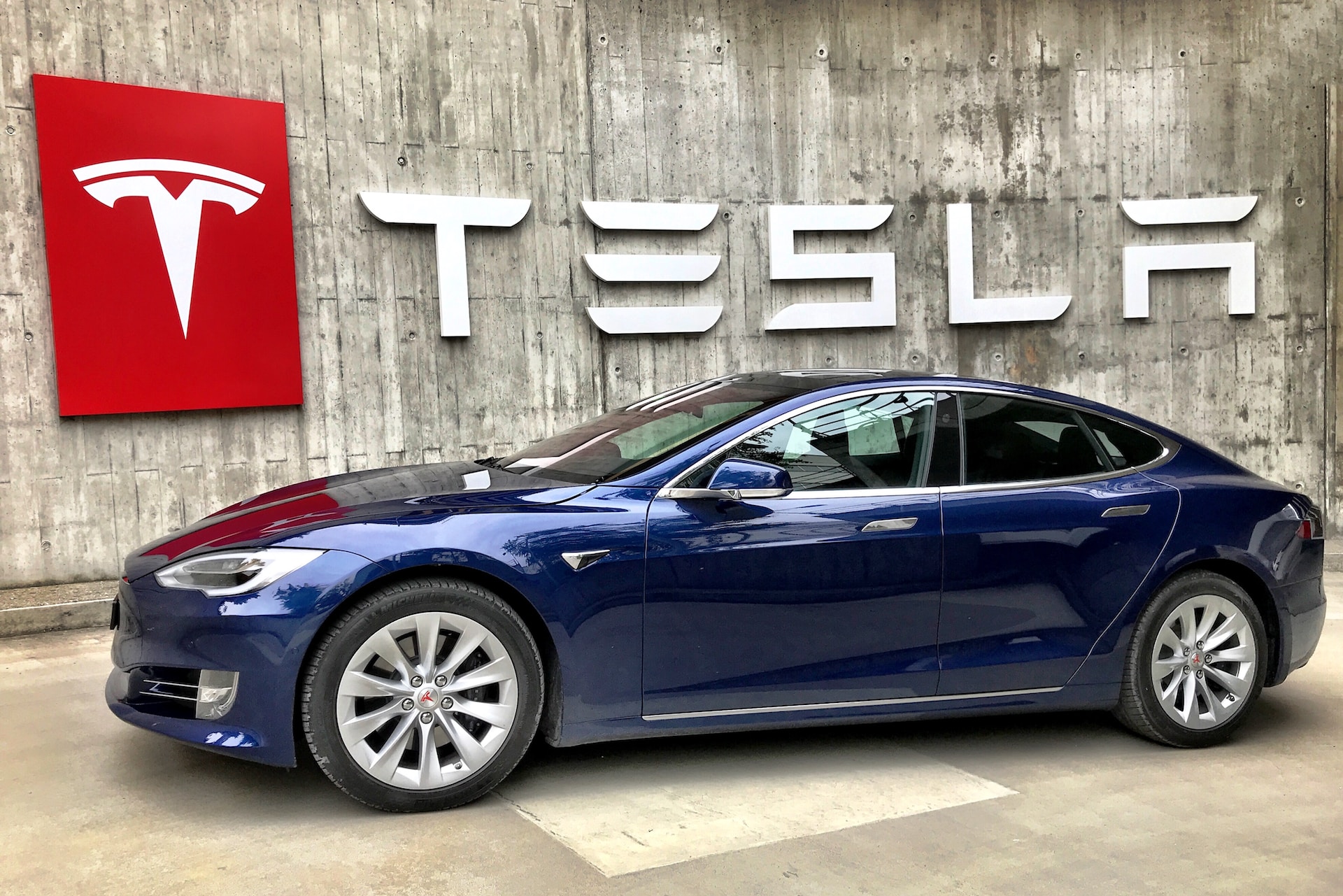

Shifting Perspectives: J.D. Power’s Initial Quality Study Shows Tesla’s Decline, Detroit 3’s Rise
- Autos & Vehicles
- May 25, 2023
- No Comment
- 19
The automotive industry is no stranger to fierce competition, but the latest J.D. Power Initial Quality Study has brought about a seismic shift in perceptions. The study, which evaluates the initial quality of vehicles based on reported problems during the first 90 days of ownership, has revealed a decline for Tesla while signaling the resurgence of the Detroit 3. This unexpected turn of events has sparked discussions about the evolving landscape of automotive quality and the changing fortunes of industry players.
For years, Tesla has been synonymous with innovation and disruption, capturing the imagination of both enthusiasts and investors. However, the J.D. Power study has raised concerns about the initial quality of Tesla vehicles, highlighting a decline in comparison to its competitors. This revelation has come as a surprise to many, given Tesla’s reputation for cutting-edge technology and meticulous attention to detail.
Meanwhile, the Detroit 3—General Motors, Ford, and Stellantis—have experienced a notable rise in their initial quality scores. The study indicates that the American automakers have made significant strides in addressing long-standing issues and improving the overall quality of their vehicles. This resurgence is a testament to the Detroit 3’s commitment to refining manufacturing processes and delivering vehicles that meet or exceed customer expectations.
The decline in Tesla’s initial quality raises questions about the company’s ability to scale production while maintaining stringent quality control measures. As Tesla strives to meet the growing demand for its electric vehicles, the study highlights the challenges it faces in ensuring consistent quality across its lineup. Issues such as fit and finish, paint quality, and general assembly concerns have been reported, indicating potential areas for improvement.
The J.D. Power study serves as a reminder that initial quality is a crucial factor in shaping customer perceptions and brand loyalty. As the market for electric vehicles becomes increasingly competitive, automakers must prioritize not only technological advancements but also the seamless integration of quality throughout the manufacturing process. Tesla’s decline in the study underscores the importance of balancing innovation with reliability, as consumers seek vehicles that offer both cutting-edge features and a trouble-free ownership experience.
While Tesla’s decline is a significant development, it is essential to approach these findings with a balanced perspective. The company’s impact on the automotive industry cannot be overlooked, as it has been at the forefront of driving the global shift toward electric vehicles. Tesla’s visionary leadership, groundbreaking technology, and Supercharger network have contributed to the acceleration of sustainable transportation worldwide.
Nonetheless, the J.D. Power study serves as a wake-up call for Tesla, urging the company to address its initial quality concerns. By investing in quality control measures, enhancing manufacturing processes, and actively listening to customer feedback, Tesla can regain its reputation for excellence and reaffirm its commitment to delivering vehicles that not only capture the imagination but also surpass customer expectations.
The rise of the Detroit 3 in the study signifies a turning point for the American automakers. It reflects their commitment to continuous improvement and underscores the progress they have made in refining their vehicles’ initial quality. The Detroit 3’s resurgence sends a strong message to the industry that traditional automakers are not to be underestimated and can compete on equal footing in terms of quality and customer satisfaction.
Looking ahead, both Tesla and the Detroit 3 will need to navigate the evolving landscape of automotive quality. As electric vehicles become more mainstream, consumers’ expectations will continue to evolve, demanding not only cutting-edge technology but also top-notch quality and reliability. Automakers must rise to the challenge by embracing quality as a fundamental aspect of their brand identity.
In conclusion, the J.D. Power Initial Quality Study has shed light on a shifting landscape in the automotive industry. Tesla’s decline in initial quality and the rise of the Detroit 3 highlight the importance of prioritizing quality control, manufacturing excellence, and customer satisfaction. This development serves as a catalyst for Tesla to reassess its production processes and regain its position as a leader in automotive innovation. Simultaneously, the Detroit 3’s resurgence underscores their commitment to quality and sets the stage for a competitive and exciting future. As the industry continues to evolve, the pursuit of excellence in initial quality will be crucial for automakers to gain an edge and win the hearts of discerning customers.





