


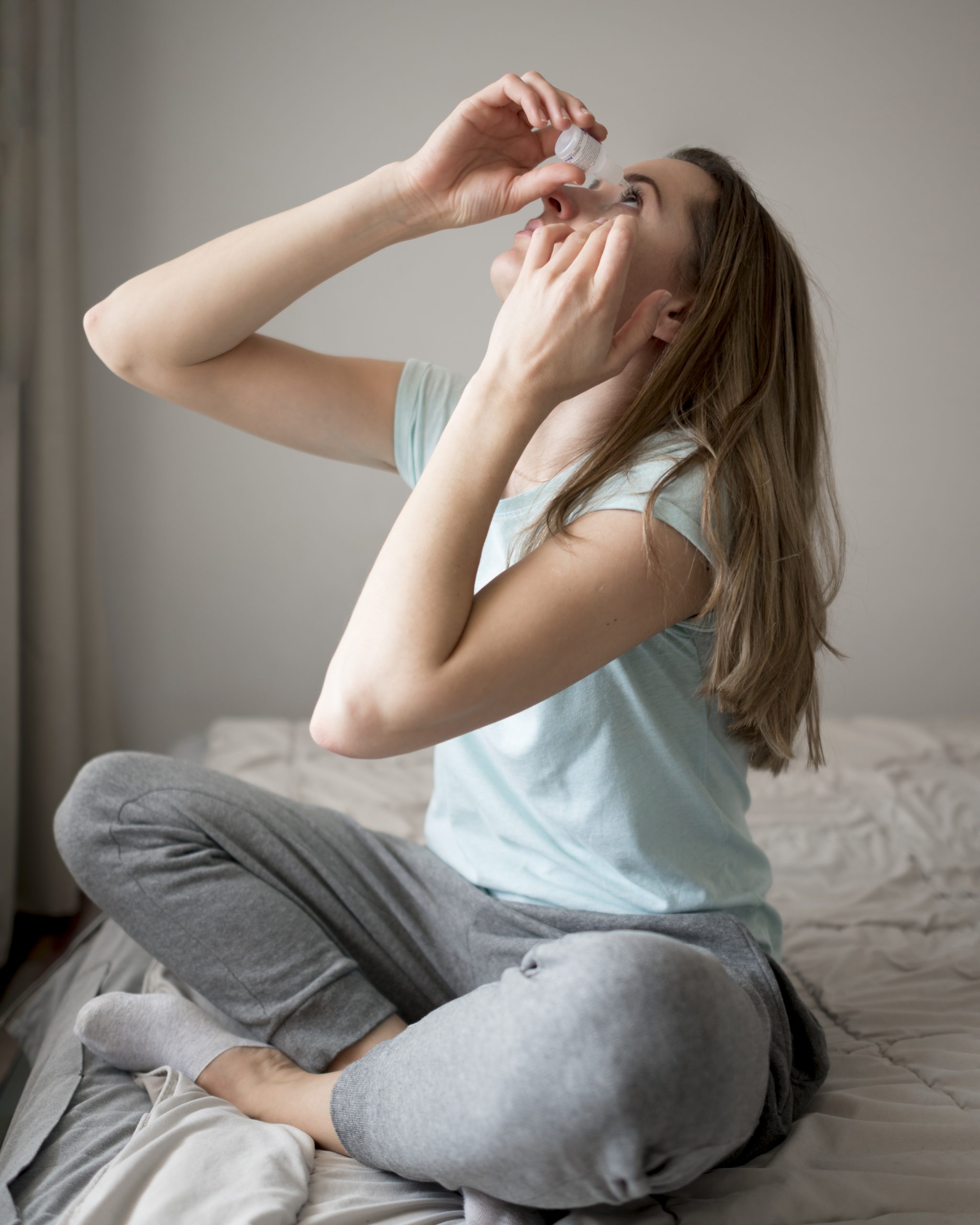

Pinkeye Cases are on the Rise During Allergy Season
- health
- April 25, 2023
- No Comment
- 21
As allergy season rolls around, many people start to experience the familiar symptoms of itchy eyes and runny noses. But for some, these allergies can lead to a more concerning condition: pinkeye. Pinkeye cases have been on the rise during allergy season in recent years, leaving many wondering why this is happening and what they can do about it. In this blog post, we’ll explore the reasons behind this increase in pinkeye cases during allergy season, as well as how you can treat and prevent this uncomfortable condition.
The increase in pinkeye cases during allergy season
Pinkeye, also known as conjunctivitis, is a common condition that occurs when the thin layer of tissue covering the white part of your eye becomes inflamed. While pinkeye can occur at any time of year, it’s particularly prevalent during allergy season.
One reason for this increase in pinkeye cases during allergy season is due to the increased presence of allergens in the air. Pollen, dust mites and other airborne particles can cause irritation and inflammation in your eyes, which increases your risk for developing pinkeye.
Another reason why pinkeye cases may be on the rise during allergy season is due to our increased exposure to potential infection sources. With COVID-19 still an ongoing concern, people are washing their hands more frequently and wearing masks often. This means that we’re touching our faces less frequently than before – but when we do touch our face or rub our eyes, we could potentially introduce bacteria into our eyes that could lead to a case of pinkeye.
It’s important to take steps to protect yourself from both allergies and possible infections during this time by practicing good hand hygiene and avoiding rubbing your eyes excessively if you have seasonal allergies.
The symptoms of pinkeye
Pinkeye, also known as conjunctivitis, is a common eye disease that affects people of all ages. It is characterized by inflammation and redness of the conjunctiva- the thin membrane covering the white part of your eyes. The symptoms may vary depending on its type: viral, bacterial or allergic.
In a viral pinkeye, one may experience watery discharge from their eyes and cold-like symptoms such as coughing and sneezing. On the other hand, bacterial cases are accompanied by thick yellow or green mucus in addition to itching and burning sensations. Allergic pinkeye can cause intense itching sensation along with clear and watery discharge.
Apart from these specific signs, some general symptoms for all types include redness in both eyes at once or only one eye; swollen eyelids; increased sensitivity to light; blurred vision; feeling like there’s something in your eye which causes discomfort when opening/closing it.
If you’re experiencing any of these symptoms mentioned above, then you should seek medical attention immediately as early treatment can help prevent further complications such as corneal ulcers which could lead to blindness if left untreated.
How to treat pinkeye
Pinkeye, also known as conjunctivitis, is a common eye infection that can be caused by allergies, viruses or bacteria. If you are experiencing the symptoms of pinkeye such as redness, itching and discharge from your eyes, it’s important to seek treatment right away.
The first step in treating pinkeye is to identify the cause of the infection. If your infection is caused by allergies, avoiding allergens and taking antihistamines can help reduce symptoms. For viral infections, treatment usually involves waiting for the virus to run its course while using supportive care like warm compresses and lubricating eye drops.
If bacterial conjunctivitis is diagnosed by a healthcare provider through laboratory testing or clinical examination findings then antibiotics may be prescribed. It’s important to follow all medication instructions carefully including taking all doses on time until they’re done even if symptoms go away before completing them.
In addition to medications mentioned above there are other treatments that can help alleviate symptoms like cold compresses over closed eyelids for 15 minutes at least four times daily which will provide relief instantly! Finally make sure you wash hands frequently throughout day especially before touching face or eyes because this limits spread of bacteria/viruses if present
How to prevent pinkeye
Preventing pinkeye is essential to avoid the discomfort and inconvenience that comes with it. The good news is that there are several ways to prevent this eye infection.
Firstly, practicing good hygiene can go a long way in preventing pinkeye. Ensure you wash your hands frequently, especially if you’ve been in contact with someone who has an eye infection or other illnesses. Avoid touching your eyes without washing your hands first.
Secondly, avoid sharing personal items such as towels, pillows, and makeup products as they can easily transmit infections like pinkeye from one person to another.
If you suffer from seasonal allergies or have allergens around you such as pollen or dust mites, take appropriate measures to minimize their effects on you by using air purifiers and keeping windows closed during peak allergy seasons.
If you’re prone to getting pinkeye frequently or have any underlying medical condition affecting your eyes’ health, see an ophthalmologist for advice on how best to protect yourself against future infections.
By taking these simple steps towards prevention of pinkeye cases during allergy season and beyond will save time spent treating a painful eye infection later down the line.
Conclusion
The rise in pinkeye cases during allergy season is a concerning trend that needs to be addressed. While allergies and COVID-19 have contributed to this increase, there are steps we can take to prevent and treat pinkeye.
If you suspect that you or your loved one has pinkeye, seek medical attention as soon as possible. Your healthcare provider will diagnose the type of conjunctivitis and recommend treatment options based on its severity.
Remember to practice good hygiene habits like washing your hands frequently, avoid touching your eyes with dirty hands or objects, wearing protective eyewear when necessary, and avoiding rubbing your eyes during allergy season.
By taking these preventative measures seriously and seeking medical attention if needed, we can reduce the number of pinkeye cases during allergy season. Let’s all do our part in keeping our eyes healthy year-round!





