


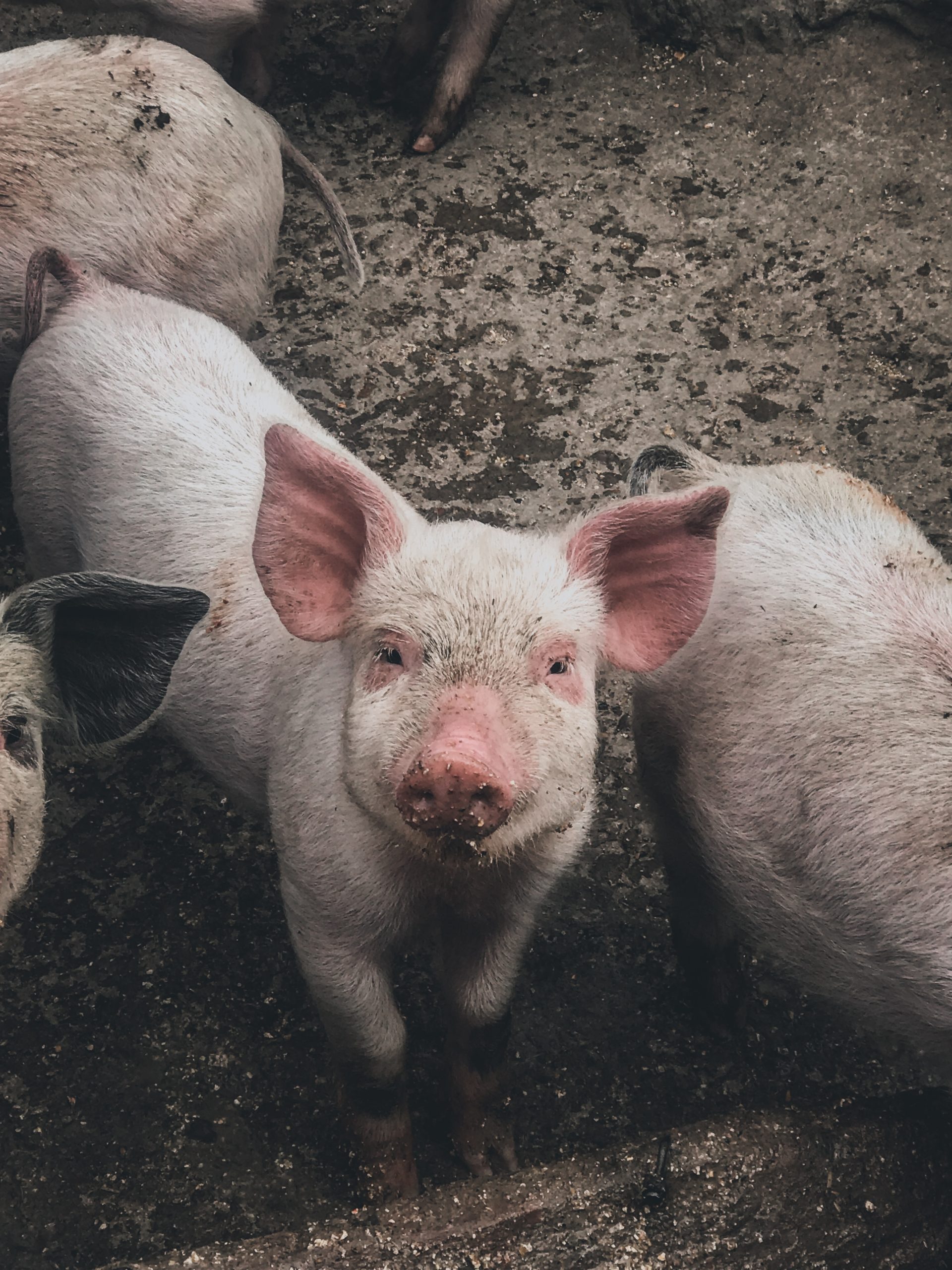

Pig Farming Around the World
- Pet and animal
- April 26, 2023
- No Comment
- 23
Pig farming is a lucrative business that has been around for centuries. Whether you are a small-scale farmer or an entrepreneur looking to start a commercial pig farming operation, there are certain things you need to know to get started. In this article, we will explore the basics of pig farming and what you need to consider before starting a pig farm.
- Choosing the right breed
The first thing you need to consider when starting a pig farm is the breed of pigs you want to raise. Different pig breeds have different characteristics, such as size, temperament, and meat quality. Some popular pig breeds for farming include the Yorkshire, Hampshire, and Duroc breeds.
- Housing and facilities
Pigs require a comfortable and safe living environment. You need to invest in appropriate housing and facilities, such as pens, waterers, and feeders. The housing should be spacious enough to allow the pigs to move around freely and have enough ventilation to avoid respiratory problems.
- Feeding and nutrition
Feeding pigs a balanced diet is essential for their growth and health. Pigs are omnivorous animals, meaning they eat both plant and animal-based foods. Their diet should include grains, fruits, vegetables, and protein-rich sources like soybean meal or fishmeal.
- Health and disease management
Keeping pigs healthy is crucial for the success of your pig farming business. You need to provide proper vaccinations, deworming, and regular veterinary check-ups to prevent and manage diseases. Also, you need to maintain a clean and hygienic environment to prevent the spread of diseases.
- Marketing and sales
Marketing and selling your pigs is an essential aspect of pig farming. You need to have a reliable and consistent market to sell your pigs. This can be done by partnering with slaughterhouses, wholesalers, and retailers or selling directly to consumers at farmers’ markets or through online platforms.
- Legal requirements
Starting a pig farm requires compliance with legal requirements and regulations. You need to obtain permits, licenses, and certificates to operate legally. You may also need to comply with environmental, animal welfare, and food safety regulations.
Verifying Information and Sources
As a journalist, it is essential to verify information and sources to ensure accurate reporting. When reporting on pig farming, it is crucial to cross-reference multiple sources and consult with experts in the field of animal husbandry and agriculture.
Adhering to Journalistic Ethics
As a journalist, it is essential to adhere to journalistic ethics, including accuracy, fairness, and impartiality. When reporting on pig farming, it is crucial to present a balanced perspective that reflects different viewpoints and opinions. This includes considering animal welfare concerns, environmental impact, and the economic benefits and challenges of pig farming.
In conclusion, pig farming is a challenging but rewarding business that requires careful planning, investment, and dedication. By considering these essential factors, you can start your pig farming journey and build a successful and sustainable business.





