



Pescatarian Perks: Health Benefits and Environmental Considerations
- FoodFood Drink
- October 16, 2023
- No Comment
- 27
The pescatarian diet, a plant-based diet that includes seafood while avoiding land-based animal meats, has gained popularity in recent years. This dietary choice offers a variety of perks, not only for personal health but also for the environment. In this article, we will explore the potential health benefits and environmental considerations of the pescatarian diet.
Health Benefits of the Pescatarian Diet
1. Heart Health
Fatty fish like salmon, mackerel, sardines, and trout are rich in omega-3 fatty acids. These essential fats have been linked to numerous health benefits, particularly in maintaining heart health. Omega-3s can reduce the risk of heart disease by lowering triglycerides, regulating blood pressure, and improving cholesterol levels. They also have anti-inflammatory properties that support overall cardiovascular well-being.
2. Cognitive Function
Omega-3 fatty acids, especially docosahexaenoic acid (DHA), play a crucial role in brain health. DHA is a major component of brain cell membranes and is associated with improved cognitive function, memory, and mental well-being. Including fatty fish in the pescatarian diet can contribute to enhanced brain health.

3. Reduced Inflammation
Chronic inflammation is a contributing factor to various health issues, including heart disease, diabetes, and certain types of cancer. Omega-3s in fatty fish possess anti-inflammatory properties that help reduce chronic inflammation, potentially lowering the risk of these health conditions.
4. Weight Management
The pescatarian diet tends to be lower in calories and saturated fats compared to diets that include land-based animal meats. This can be beneficial for weight management and may contribute to weight loss or maintenance.
5. Nutrient-Rich Foods
Pescatarians have access to a wide range of nutrient-rich foods. Seafood is packed with essential nutrients, including high-quality protein, vitamins, and minerals. Additionally, plant-based components of the diet, such as fruits, vegetables, legumes, and whole grains, provide a plethora of vitamins, minerals, and dietary fiber.
Environmental Considerations
1. Sustainable Seafood Choices
Pescatarians often make a conscious effort to choose sustainable seafood options. Sustainable seafood is sourced in a way that minimizes harm to marine ecosystems and prevents overfishing. By supporting sustainable practices, pescatarians play a part in protecting the oceans and marine life.
2. Reduced Carbon Footprint
Compared to diets heavily reliant on land-based animal meats, the pescatarian diet typically has a lower carbon footprint. The production of seafood generates fewer greenhouse gas emissions compared to livestock farming. By choosing seafood over land-based meats, pescatarians reduce their environmental impact.
3. Less Land and Water Use
The pescatarian diet also requires less land and water resources. Livestock farming consumes significant amounts of land, water, and feed, contributing to deforestation, water scarcity, and habitat destruction. The pescatarian diet minimizes these environmental pressures.
4. Preservation of Marine Ecosystems
The pescatarian diet promotes the preservation of marine ecosystems. Overfishing, destructive fishing practices, and bycatch can harm the delicate balance of marine ecosystems. By choosing sustainably sourced seafood, pescatarians help protect these ecosystems and ensure the availability of seafood for future generations.
Balancing Personal Health and the Environment
The pescatarian diet offers a unique opportunity to balance personal health with environmental considerations. By enjoying a diet that is rich in seafood and plant-based foods, individuals can improve their health while making choices that support a healthier planet.
To maximize the health and environmental benefits of the pescatarian diet, individuals can:
- Choose Sustainable Seafood: Opt for seafood that is certified as sustainably sourced, and stay informed about which species are currently at risk of overfishing.
- Minimize Waste: Reduce food waste by planning meals, using leftovers, and making sustainable seafood choices to avoid contributing to bycatch waste.
- Support Eco-Friendly Practices: Encourage and support eco-friendly fishing practices and responsible seafood sourcing by choosing products that carry certification from organizations like the Marine Stewardship Council (MSC).
- Advocate for Change: Raise awareness about the environmental impact of dietary choices and advocate for sustainable fishing and farming practices.

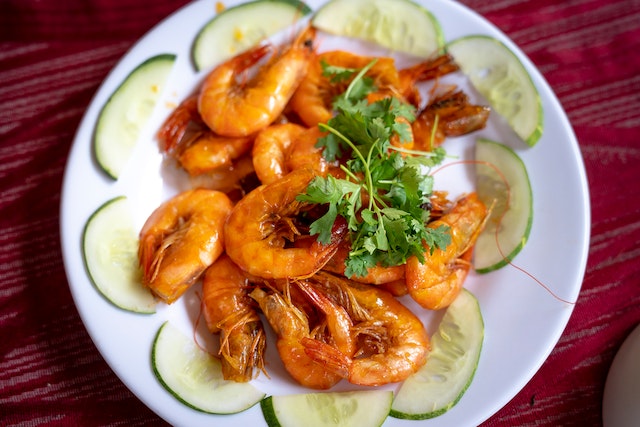
Photo by Quang Nguyen Vinh: https://www.pexels.com/photo/fried-shrimps-on-white-ceramic-plate-4078054/
In Conclusion
The pescatarian diet provides an array of health benefits while also being environmentally conscious. By choosing seafood and plant-based foods, individuals can support their personal health and contribute to a more sustainable planet. Whether it’s reaping the advantages of omega-3 fatty acids or reducing one’s carbon footprint, the pescatarian diet offers a balanced approach to well-being that aligns with the principles of health and environmental responsibility.





