


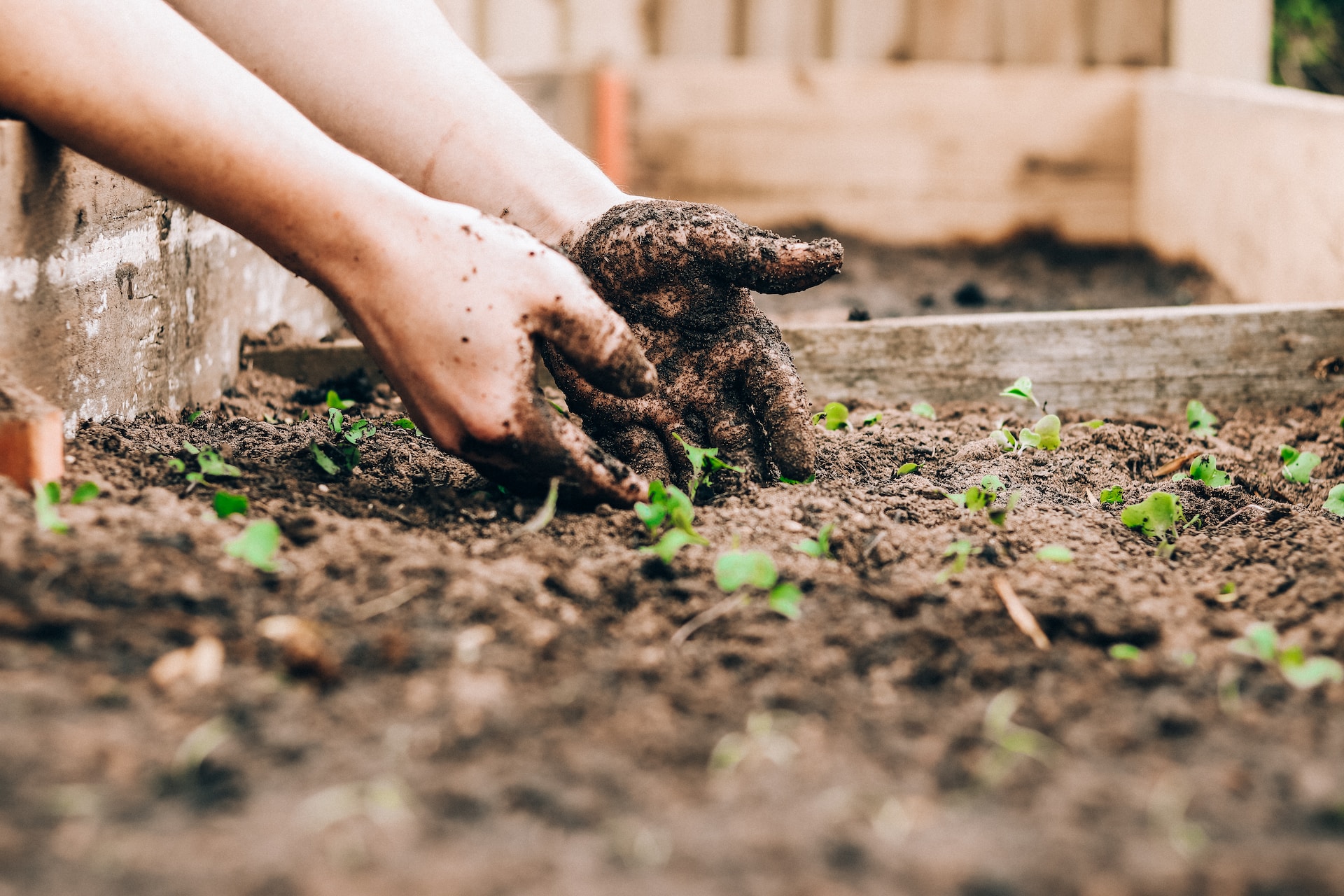

Organic Gardening Easy for Growing Chemical Fruits, Veggies
- HOME Garden
- June 28, 2023
- No Comment
- 25
Introduction to Organic Gardening
Growing fruits and vegetables through organic gardening is a sustainable and environmentally friendly method that avoids the use of artificial chemicals. By implementing organic gardening techniques, you can guarantee that the produce you cultivate is both nourishing and void of any harmful additives. In this article, we will examine useful advice for beginning your journey into organic gardening. You will also reap the advantages of pesticide-free fruits and vegetables.
Benefits of Organic Gardening
Organic gardening offers the benefit of cultivating fruits and vegetables that are not exposed to toxic pesticides and herbicides. Choosing to refrain from using synthetic chemicals can help preserve and safeguard the natural environment. You can also help protect biodiversity and ensure the well-being of your loved ones. Organic fruits and vegetables are recognized for their enhanced taste and nutritional value. It contains more important nutrients.
1. Choose the right location: Ensure that your organic garden receives at least 6-8 hours of direct sunlight daily and is easily accessible for watering and maintenance.
2. Prepare the soil: Test your soil to determine its pH level and nutrient content. Amend it with organic matter like compost, manure, or leaf mulch to improve its fertility and structure.
3. Select organic seeds or seedlings: Look for certified organic seeds or seedlings from reputable sources. Avoid genetically modified organisms (GMOs) and opt for open-pollinated varieties.
4. Plan your garden layout: Consider companion planting, which involves growing compatible plants together to maximize space, deter pests, and promote healthy growth.
5. Use natural pest control methods: Employ techniques like crop rotation, intercropping, physical barriers (such as netting), beneficial insects (like ladybugs), and homemade insecticidal sprays (using ingredients like garlic or neem oil) to manage pests organically.
6. Practice proper watering techniques: Water deeply but infrequently to encourage deep root growth while preventing diseases caused by overwatering. Consider using a drip irrigation system to conserve water.
7. Mulch your garden beds: Apply a layer of organic mulch around plants to suppress weeds, conserve moisture, regulate soil temperature, and provide valuable nutrients as it decomposes.
8. Implement natural fertilization methods: Use compost or well-rotted manure as a slow-release fertilizer for your plants instead of synthetic chemical fertilizers that can harm beneficial microorganisms in the soil.
9. Don’t forget about crop rotation : Rotate crops each year in order reduce soilborne diseases
10. Maintain good garden hygiene : Remove dead leaves , spent plant material promptly
Remember that starting an organic garden requires patience and dedication but will reward you with healthy produce free from harmful chemicals!
Choose the right location. Choose a sunny area in your backyard that gets a minimum of 6 to 8 hours of direct sunlight per day. Make sure the soil has good drainage and is enriched with organic material. Prepare the ground: Prior to planting, enhance the soil’s quality and composition by incorporating compost or thoroughly decomposed manure, which will enhance its fertility and texture. Adding this will supply your plants with important nutrients, encouraging strong and flourishing development.
Select organic seeds or seedlings. Choose organic seeds or seedlings to guarantee a healthy beginning for your garden. These products are GMO-free and have not been subjected to synthetic chemicals. Engage in a crop rotation practice to ensure the soil remains free from pests and diseases by switching crops annually. Following these practices will support the preservation of a thriving and diverse ecosystem in your garden. Maintaining a Chemical-Free Garden Opt for organic fertilizers instead: Swap out synthetic fertilizers for natural options like compost, worm castings, or seaweed extract. The use of these organic fertilizers ensures that your plants receive the necessary nutrients while also promoting environmental sustainability. Practice companion planting by cultivating different plants together that have mutually beneficial relationships. Planting marigolds next to tomato plants can discourage pests and promote better overall growth for the tomatoes. Add a covering of natural mulch, like straw or wood chips, to your garden beds. Mulching is beneficial because it helps to maintain moisture, inhibit the growth of weeds, and enhance the fertility of the soil. Try promoting the presence of helpful insects such as ladybugs and lacewings in order to control pests naturally. When needed, opt for organic techniques to control pests such as neem oil or insecticidal soap. It’s crucial to carefully adhere to the provided instructions.
In conclusion:
choosing to practice organic gardening provides a sustainable and fulfilling method for cultivating fruits and vegetables free from harmful chemicals. By implementing these suggestions, you can establish a flourishing organic garden. Engaging in regular exercise not only improves your health but also helps create a more eco-friendly planet.





