


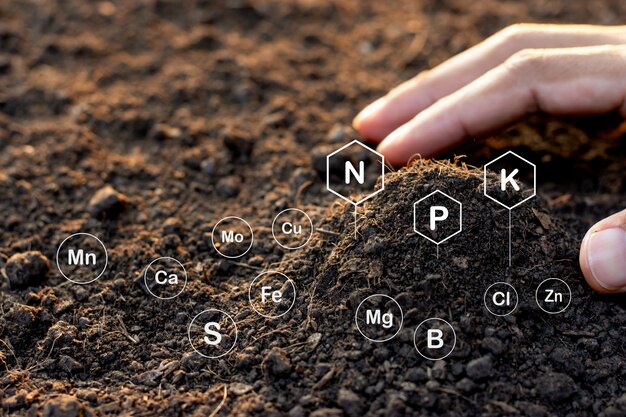

Organic Fertilizers: Best Options and Application Methods
- HOME Garden
- August 8, 2023
- No Comment
- 32
Introduction:
In the world of gardening, nourishing the soil is key to achieving healthy, vibrant plants. Organic fertilization offers a sustainable and environmentally-friendly approach to nurturing your garden. In this article, we’ll delve into the benefits of organic fertilizers, explore the top options available, and provide insights into effective application methods for a flourishing garden.
The Benefits of Organic Fertilization for Your Garden:
Organic fertilization goes beyond chemical solutions, providing a holistic approach that nurtures the soil, supports beneficial microbes, and enhances overall plant health. By opting for natural fertilizers, you not only promote lush growth but also contribute to a healthier ecosystem.
Understanding Organic Fertilizers:
Nourishing the Soil Naturally: Organic fertilizers are derived from natural sources and offer a balanced array of nutrients essential for plant growth. They enrich the soil with organic matter, enhance soil structure, and encourage microbial activity, fostering a robust and harmonious environment for plants to thrive.
1. Compost: The Black Gold of Garden Fertilization:
Compost, often referred to as “black gold,” is a nutrient-rich amendment created from organic matter like kitchen scraps, yard waste, and leaves. It improves soil structure, retains moisture, and releases nutrients gradually, promoting long-term plant health.
2. Manure Magic: Harnessing Animal Waste for Nutrient-Rich Soil:
Animal manure, such as cow, horse, or chicken manure, is a valuable source of nutrients and organic matter. It enriches the soil with essential elements, improves water-holding capacity, and encourages microbial activity.
3. Fish Emulsion: A Marine Boost for Plant Growth:
Fish emulsion is a liquid fertilizer derived from fish waste. Rich in nitrogen and trace minerals, it provides a quick nutrient boost for plants and stimulates vigorous growth.
4. Bone Meal: Strengthening Roots and Promoting Blooms:
Bone meal is a slow-release fertilizer made from ground animal bones. It’s an excellent source of phosphorus, which supports root development and encourages flowering and fruiting.
5. Seaweed and Kelp: Oceanic Elixir for Healthier Plants:
Seaweed and kelp extracts are packed with minerals, growth hormones, and beneficial compounds. They enhance plant resilience, stimulate root growth, and improve overall plant vitality.
6. Coffee Grounds: Perking Up Soil Health:
Used coffee grounds offer a free and easily accessible source of organic matter. They improve soil texture, provide a slow release of nitrogen, and repel certain pests.
7. Eggshells: Calcium-Rich Boost for Plant Vitality:
Crushed eggshells are an excellent source of calcium, which supports cell growth and strengthens plant cell walls. They deter pests like snails and slugs as well.
8. Worm Castings: Nature’s Nutrient-Rich Vermicompost:
Worm castings, also known as vermicompost, are the nutrient-rich waste produced by earthworms. They contain a balanced array of nutrients and beneficial microorganisms that enhance soil fertility.
Effective Application Methods for Organic Fertilizers:
Applying organic fertilizers effectively ensures optimal nutrient uptake by plants and minimizes waste. Here are some proven application methods to consider:
1. Topdressing: A Nutrient Blanket for the Soil Surface:
Spread organic fertilizers evenly over the soil surface to provide a gradual release of nutrients as they break down.
2. Compost Tea: Liquid Gold for Foliar Feeding:
Create compost tea by steeping compost in water. Use the nutrient-rich liquid as a foliar spray for a quick nutrient boost.
3. Side Dressing: Targeted Nutrient Delivery:
Apply organic fertilizers directly around the base of plants to provide targeted nourishment during the growing season.
4. Mulching: Nurturing Plants While Conserving Moisture:
Incorporate organic materials like compost or straw as mulch to suppress weeds, retain moisture, and gradually release nutrients into the soil.
5. Incorporating into Planting Holes:
A Root-Level Boost: Mix organic fertilizers with the soil in planting holes to provide young plants with essential nutrients right at their root zone.
6. Vermicomposting:
Harnessing Worms for Fertilization: Establish a vermicomposting system to produce nutrient-rich worm castings that can be directly applied to the soil or used as compost tea.
Conclusion:
Organic fertilizers offer a holistic approach to nurturing your garden, promoting soil health, and fostering sustainable growth. By understanding the best organic options and their application methods, you can create a thriving garden that’s not only beautiful but also environmentally conscious and resilient.





