


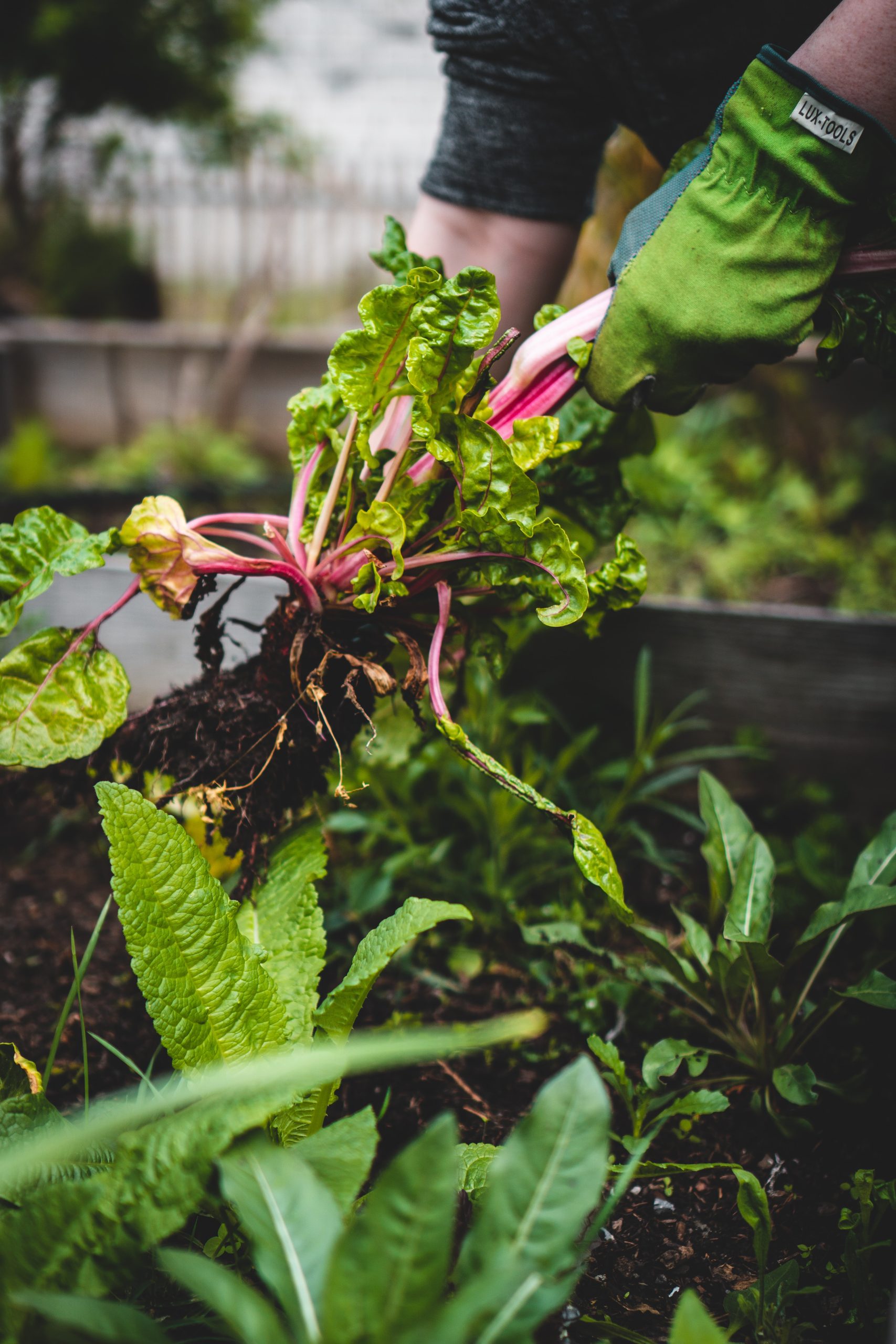

How Organic Farming Can Help Combat Climate Change: A Look at the Carbon Sequestration Potential
- Science
- April 20, 2023
- No Comment
- 22
Organic farming has become an increasingly popular topic in recent years, as more and more people are becoming aware of the impact that conventional agriculture practices can have on our environment. Not only is organic farming better for our health, but it also has the potential to combat climate change by sequestering carbon from the atmosphere. In this blog post, we will explore how organic farming can help mitigate climate change and take a closer look at its carbon sequestration potential. So grab a cup of coffee, sit back and let’s dive into the world of organic agriculture!
What is Organic Farming?
Organic farming is a method of agriculture that focuses on using natural inputs and processes to produce crops and livestock. This means avoiding the use of synthetic fertilizers, pesticides, and genetically modified organisms (GMOs). Instead, organic farmers rely on practices such as crop rotation, composting, cover cropping, and integrated pest management to maintain soil health and control pests.
One of the key principles of organic farming is biodiversity. Organic farms often have a greater variety of plants and animals compared to conventional farms. This diversity helps create a more balanced ecosystem where each organism plays an important role in maintaining soil fertility.
Organic farming also prioritizes animal welfare by providing access to outdoor space for grazing or foraging. Livestock are given feed free from antibiotics or growth hormones which can accumulate in their bodies over time.
Certification standards vary between countries but generally require strict adherence to these principles along with regular inspection by third-party organizations. By choosing organic products consumers not only support sustainable agriculture they also benefit from higher quality nutrient-dense food!
How Does Organic Farming Help Combat Climate Change?
Organic farming is a sustainable agricultural practice that promotes healthy soil, biodiversity, and natural resource conservation. This type of farming does not rely on synthetic pesticides or fertilizers, but instead focuses on crop rotation and composting to maintain the health of the soil.
Organic farming helps combat climate change in several ways. Firstly, by avoiding synthetic fertilizers and pesticides use organic farmers reduce greenhouse gas emissions from fertilizer production and application. Secondly, by using traditional methods like crop rotation which includes cover crops can help increase carbon levels in the soil as well as improve soil quality overall.
Moreover, organic farms typically have higher levels of biodiversity than conventional farms since they don’t use chemicals that harm wildlife. Biodiverse ecosystems are better at absorbing carbon dioxide from the atmosphere and storing it in plant matter.
Organic agriculture also offers opportunities for communities to build resilience to climate change impacts through diverse cropping systems that are adapted to local conditions rather than relying solely on monoculture crops such as corn or soybeans.
Organic farming plays an important role in mitigating climate change by reducing greenhouse gas emissions while also promoting resilient food systems.
The Different Types of Organic Farming
Organic farming is not a one-size-fits-all approach, as there are various types of organic farming that farmers can employ to meet their specific needs. Each type has its own set of advantages and disadvantages, so it’s important for farmers to choose the right method based on their situation.
One popular type is biodynamic farming which integrates spiritual and mystical concepts into agriculture practices. Biodynamic farms use special compost preparations made from natural ingredients and follow a calendar schedule based on the lunar cycles.
Another type is permaculture which focuses on creating sustainable ecosystems by mimicking nature’s patterns. Permaculture relies heavily on plant diversity, companion planting and integrating animals into the system.
Regenerative agriculture involves adopting practices that heal the soil, diversify crops and improve biodiversity. Regenerative farmers use techniques such as cover cropping, no-till cultivation and crop rotation to help restore degraded soils while reducing greenhouse gas emissions.
Each type of organic farming offers unique benefits for both farmers and consumers alike. It’s up to individual growers to assess what works best for them in terms of resources available, land size or intended yields among other factors
The Carbon Sequestration Potential of Organic Farming
Organic farming has been identified as a potential solution for combating climate change due to its carbon sequestration potential. Carbon sequestration is the process of capturing and storing atmospheric carbon dioxide in order to mitigate greenhouse gas emissions.
One way organic farming contributes to carbon sequestration is through soil management practices. Organic farmers use methods such as crop rotation, cover crops, and reduced tillage which enhance soil health and increase organic matter content. This leads to higher levels of carbon being stored in the soil, rather than released into the atmosphere.
In addition, organic farmers avoid using synthetic fertilizers and pesticides that contribute significantly to greenhouse gas emissions during their production. By avoiding these inputs, they reduce energy consumption associated with their manufacturing process as well as minimize harmful environmental impacts.
Moreover, livestock raised on organic farms are typically fed lower amounts of grain-based feed which reduces their methane emissions from enteric fermentation – a major source of greenhouse gases produced by animal agriculture.
It’s clear that organic farming has significant potential for mitigating climate change by increasing carbon sequestration in soils and reducing emission sources related to conventional agricultural practices. With continued support for sustainable food production systems like organics, we can work towards creating a more resilient planet for future generations.
Conclusion
Organic farming has the potential to combat climate change in a significant way. By avoiding chemical fertilizers and pesticides, organic farmers reduce carbon emissions associated with their production while also increasing the amount of carbon stored in soil through practices like cover cropping and crop rotation.
Furthermore, by promoting biodiversity and reducing reliance on fossil fuels for transportation, organic farming can help mitigate climate change’s effects such as extreme weather conditions that threaten food security.
As consumers, we can support organic farming by purchasing products from local farms or joining a community-supported agriculture program. We must recognize the importance of sustainable agriculture practices for our planet’s health and well-being.
Organic farming may not be a silver bullet solution to combatting climate change; however, it undoubtedly plays an essential role in mitigating its impact. We must continue to explore new ways of integrating various agricultural systems into our lives while prioritizing sustainability over short-term profitability.





