


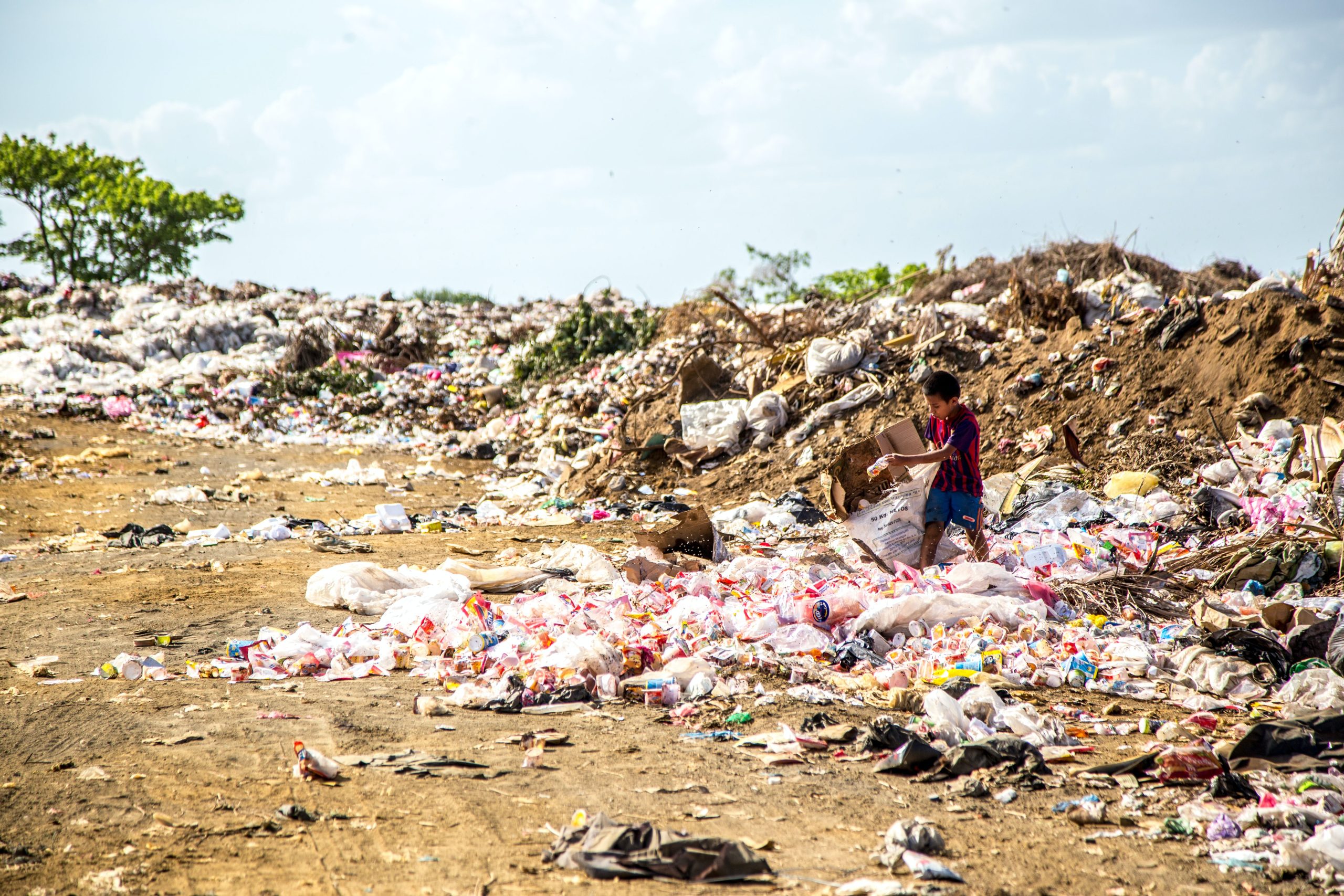

“Sustainability in Action: The Power of the Circular Economy”
- Business industrial
- April 12, 2023
- No Comment
- 24
As concerns about climate change and resource depletion continue to grow, the concept of the circular economy has gained increasing attention. This approach to economic activity aims to keep materials and resources in use for as long as possible, while minimizing waste and environmental impact.
At its core, the circular economy is about creating a closed-loop system in which materials are continuously reused or repurposed. This involves designing products with longevity in mind, as well as developing efficient and sustainable production processes. It also means prioritizing recycling, refurbishment, and repair over disposal and waste.
The benefits of the circular economy are clear. By keeping resources in use for longer, it reduces the need for virgin materials and minimizes the environmental impact of production. It can also lead to cost savings, as businesses are able to reduce waste and improve efficiency.
But the circular economy is not just a theoretical concept – it’s already being put into action in a variety of industries. For example, clothing companies are exploring ways to create “closed loop” systems for textile production, in which garments are recycled and repurposed at the end of their lifespan. Some companies are also experimenting with “product as a service” models, in which consumers pay for access to a product rather than owning it outright. This allows for greater control over the product’s lifecycle and encourages the use of sustainable materials and production methods.
The circular economy is also gaining traction in the tech industry, where companies are exploring ways to design products with repairability and recyclability in mind. This includes developing modular designs that allow for easy upgrades and repairs, as well as using recycled materials in production.
While the circular economy is still in its early stages, its potential is clear. By rethinking the way we produce and consume goods, we can create a more sustainable and resilient economy that benefits both people and the planet. As more businesses adopt circular economy principles and consumers demand more sustainable products and services, we may be on the cusp of a transformative shift in the way we approach economic activity.
In conclusion, the circular economy offers a promising approach to addressing the environmental and economic challenges of our time. By prioritizing reuse, recycling, and repair, we can reduce waste, conserve resources, and create a more sustainable future. As more businesses and industries embrace the principles of the circular economy, we may be on the path to a more resilient and prosperous future for all.





