


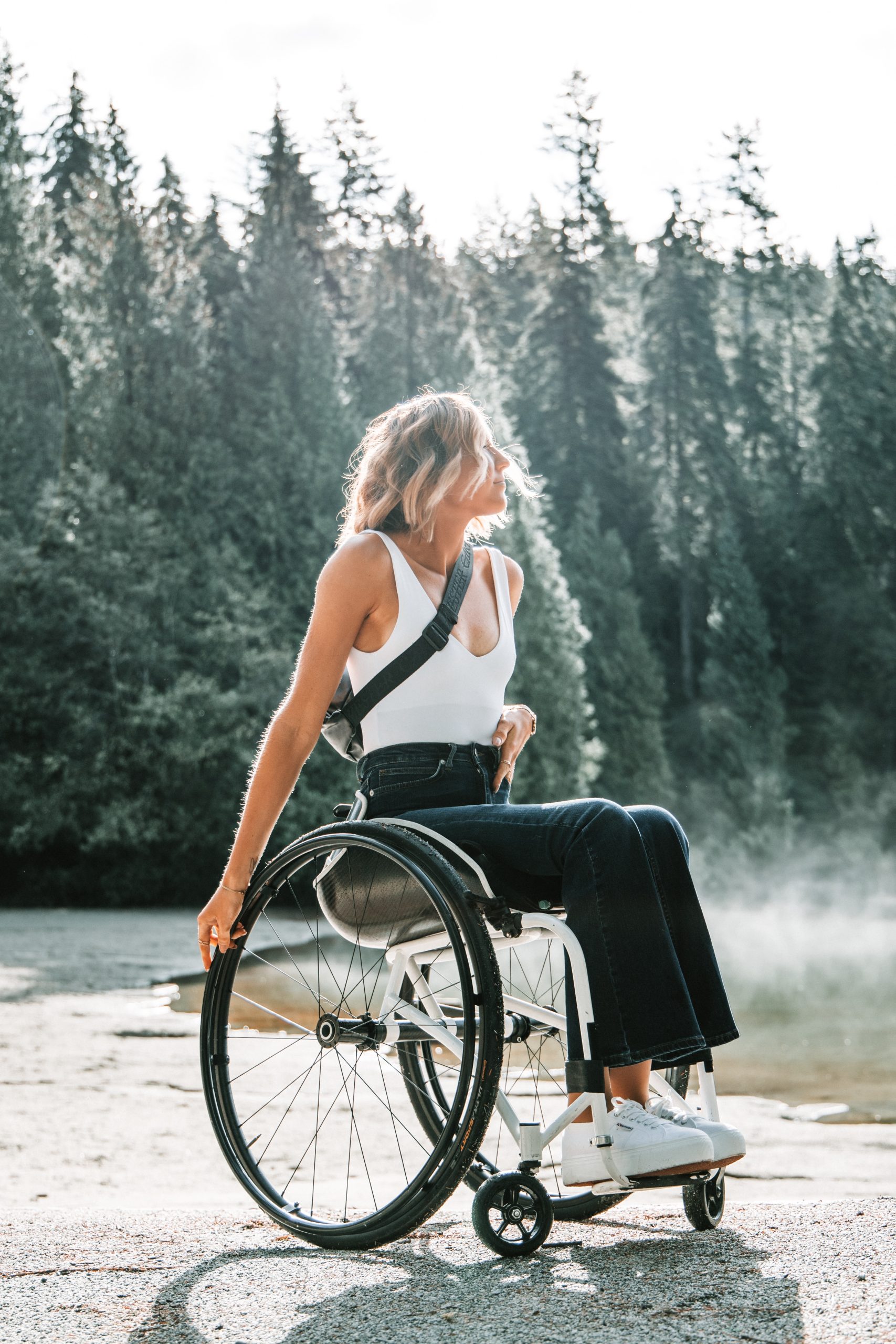

Navigating the Challenges of Aging: Coping with Chronic Conditions and Disabilities
- health
- April 18, 2023
- No Comment
- 20
Introduction
As we age, it’s common to face a new set of challenges when it comes to our physical and mental health. Chronic conditions and disabilities can arise, making everyday tasks more difficult and impacting our overall quality of life. However, with the right coping mechanisms and support systems in place, these challenges can be navigated successfully. In this blog post, we’ll discuss the prevalence of chronic conditions and disabilities among the aging population and explore strategies for coping with them. Let’s dive in!
What are chronic conditions and disabilities?
As we age, our bodies go through a lot of changes. For some individuals, these changes can result in the development of chronic conditions and disabilities. Chronic conditions are illnesses or health concerns that persist for an extended period of time – usually 3 months or more. These may include diabetes, arthritis, heart disease, and chronic pain.
On the other hand, disabilities refer to physical limitations that affect one’s daily activities such as mobility impairments, vision loss, hearing loss and cognitive decline. Disabilities can be present from birth or develop later in life due to injury or illness.
It is important to note that not all aging adults will experience chronic conditions or disabilities at the same rate or severity level. However as we age our chances increase for developing them due to natural wear-and-tear on our bodies over time.
Because chronic conditions and disabilities often require long-term medical care management it’s crucial for aging individuals coping with these challenges are able plan accordingly with their healthcare providers which allows them to maintain their independence and quality of life as much as possible despite any limitations they might have experienced along the way.
The prevalence of chronic conditions and disabilities among the aging population
As we age, our bodies go through a lot of changes, and with that comes an increased risk for chronic conditions and disabilities. According to the World Health Organization (WHO), 60% of all deaths worldwide are caused by chronic diseases such as heart disease, stroke, cancer, diabetes, and respiratory diseases.
Research shows that around 80% of older adults have at least one chronic condition while about 50% have two or more. Arthritis is one of the most common conditions among older adults which affects over 50 million people in the US alone. Osteoporosis is also common among seniors especially in women where they experience loss of bone density resulting to fragile bones.
Cognitive impairment such as dementia and Alzheimer’s disease also become more prevalent as we age with estimates suggesting that nearly one-third of people aged above eighty years suffer from cognitive decline. Hearing loss is another issue affecting many seniors- according to National Institute on Deafness and Other Communication Disorders (NIDCD) approximately a third of Americans over sixty-five face hearing difficulties.
It’s important to note that these statistics highlight just how widespread chronic conditions and disabilities are among older populations. As such it’s critical for individuals approaching their golden years to take proactive measures towards prevention or early detection so they can manage their health better thus improving overall quality life even amid challenges associated with aging process
The impact of chronic conditions and disabilities on the aging process
Chronic conditions and disabilities can have a significant impact on the aging process, affecting physical health as well as emotional wellbeing. As we age, our bodies become more susceptible to illnesses and injuries that can lead to chronic conditions such as diabetes, arthritis, heart disease and dementia. Coping with these conditions requires both medical treatment and lifestyle changes.
In addition to physical limitations caused by chronic illness or disability, older adults may also experience depression or anxiety related to their condition. This can be especially challenging for those who are living independently or have limited social support.
The impact of chronic conditions and disabilities on the aging process is not limited only to individuals themselves; it also affects their families and caregivers. Family members may need to provide additional care for their loved ones which can be physically demanding and emotionally draining.
Fortunately, there are resources available to help seniors cope with the challenges of chronic illness or disability. Support groups exist online as well as in-person that offer guidance from others going through similar circumstances.
Coping with chronic conditions and disabilities requires patience, determination, resilience – but most importantly – support from family members friends caregivers healthcare professionals alike.
Conclusion
Navigating the challenges of aging can be daunting, especially with chronic conditions and disabilities. As we age, our body undergoes changes that make us more susceptible to various health issues. Chronic conditions and disabilities are common among the aging population; however, they do not have to define their lives.
It is essential for seniors to learn how to cope with chronic conditions and disabilities by taking control of their health through healthy lifestyle choices, seeking medical attention when necessary, staying connected with loved ones or support groups, and being proactive in managing their condition.
Although living with a chronic illness or disability can be challenging emotionally and physically for both the individual and their caregivers or family members; it doesn’t mean life has to come to an end. There are steps one can take towards leading a fulfilling life despite these challenges.
Coping with chronic conditions and disabilities is possible through early detection prevention efforts such as regular check-ups from your doctor focusing on healthy lifestyle choices like dieting correctly coupled with active exercise routines alongside social interaction within communities where people share similar experiences. The journey may not always be easy but remember there’s hope even amidst seemingly insurmountable obstacles!





