



Natural Fruit and Vegetable Juices: Balancing Sugar Content for Diabetes Management
- FoodFood Drinkhealth
- October 20, 2023
- No Comment
- 29
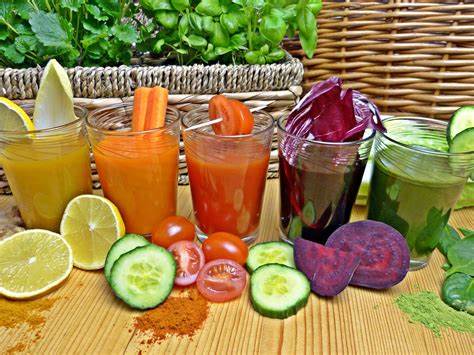
Incorporating natural fruit and vegetable juices into your diet while managing sugar content and portion sizes is possible and can be beneficial for individuals with diabetes. In this article, we’ll explain how to enjoy these juices in a balanced way to support your dietary needs and diabetes management.
1. Choose Whole Juices:
Fiber-Rich Choices:
Opt for whole juices made from whole fruits and vegetables. These juices retain more fiber, which can help slow the absorption of sugar and stabilize blood sugar levels.

2. Portion Control:
Serving Size Awareness:
Be mindful of portion sizes. Stick to a small glass or even a half-cup serving to manage sugar intake and reduce the impact on blood sugar.
3. Dilute with Water:
Balancing Sugar:
To lower the sugar concentration, consider diluting your juice with water. A 1:1 ratio of juice to water can be a good starting point.
4. Limit High-Sugar Fruits:
Sugar Management:
Avoid or limit juices from high-sugar fruits like grapes, cherries, and pineapples. Opt for lower-sugar fruits such as berries, citrus, and apples.
5. Homemade Juices:
Control Ingredients:
Making your own juices at home allows you to control the ingredients. Blend a mix of low-sugar fruits and vegetables to create a balanced, diabetes-friendly juice.
6. Include Vegetables:
Balanced Nutrition:
Incorporate vegetables into your juices to reduce sugar content and increase nutritional value. Cucumbers, spinach, and kale are excellent choices.
7. Use a Juicer:
Efficient Extraction:
A juicer can efficiently extract juice from fruits and vegetables, ensuring you get the most from your ingredients.
8. Monitor Blood Sugar:
Personalized Adjustments:
Individuals with diabetes should monitor their blood sugar levels before and after consuming juices to understand how specific juices affect them. This information helps in making personalized dietary decisions.
9. Pair with Protein and Fiber:
Balanced Meals:
Enjoy your juice with a meal that includes protein and fiber. This combination can help mitigate the effects of sugar on blood sugar levels.
10. Consult a Dietitian:
Professional Guidance:
Consider consulting a registered dietitian or nutritionist who specializes in diabetes management. They can provide tailored advice and recommendations for incorporating juices into your diet.
Conclusion: A Balanced Approach
Incorporating natural fruit and vegetable juices into your diet can be a healthy and enjoyable choice for individuals with diabetes. By focusing on whole juices, practicing portion control, diluting with water, and including vegetables in your blends, you can savor the flavors and nutritional benefits while supporting your diabetes management goals.





