



Unveiling Norway’s Electric Odyssey: A Nation at the Forefront of EV Adoption
- Autos & Vehicles
- May 11, 2023
- No Comment
- 22
Norway’s journey towards a sustainable future has gained global attention as the nation emerges as a trailblazer in electric vehicle (EV) adoption. With its ambitious targets, robust infrastructure, and proactive government policies, Norway has positioned itself at the forefront of the electric mobility revolution. This in-depth report aims to unveil Norway’s electric odyssey, exploring the factors behind its success, the challenges it faces, and the impact it has on reshaping the automotive industry and the global transition to electric vehicles.
The Driving Forces of Norway’s Electric Odyssey
Norway’s electric odyssey can be attributed to several key driving forces that have propelled the nation towards EV adoption. These factors include government incentives, charging infrastructure, consumer demand, and environmental consciousness.
Government Incentives: Sparking the EV Revolution
One of the primary catalysts for Norway’s electric odyssey is the government’s unwavering support and incentives for EV owners. Tax exemptions, reduced toll fees, free parking, and access to bus lanes have made electric vehicles an attractive and cost-effective choice for consumers. The government’s commitment to phasing out the sale of new gasoline and diesel vehicles by 2025 has sent a clear signal to the market, encouraging automakers to prioritize the development of electric models.
Charging Infrastructure: Empowering EV Owners
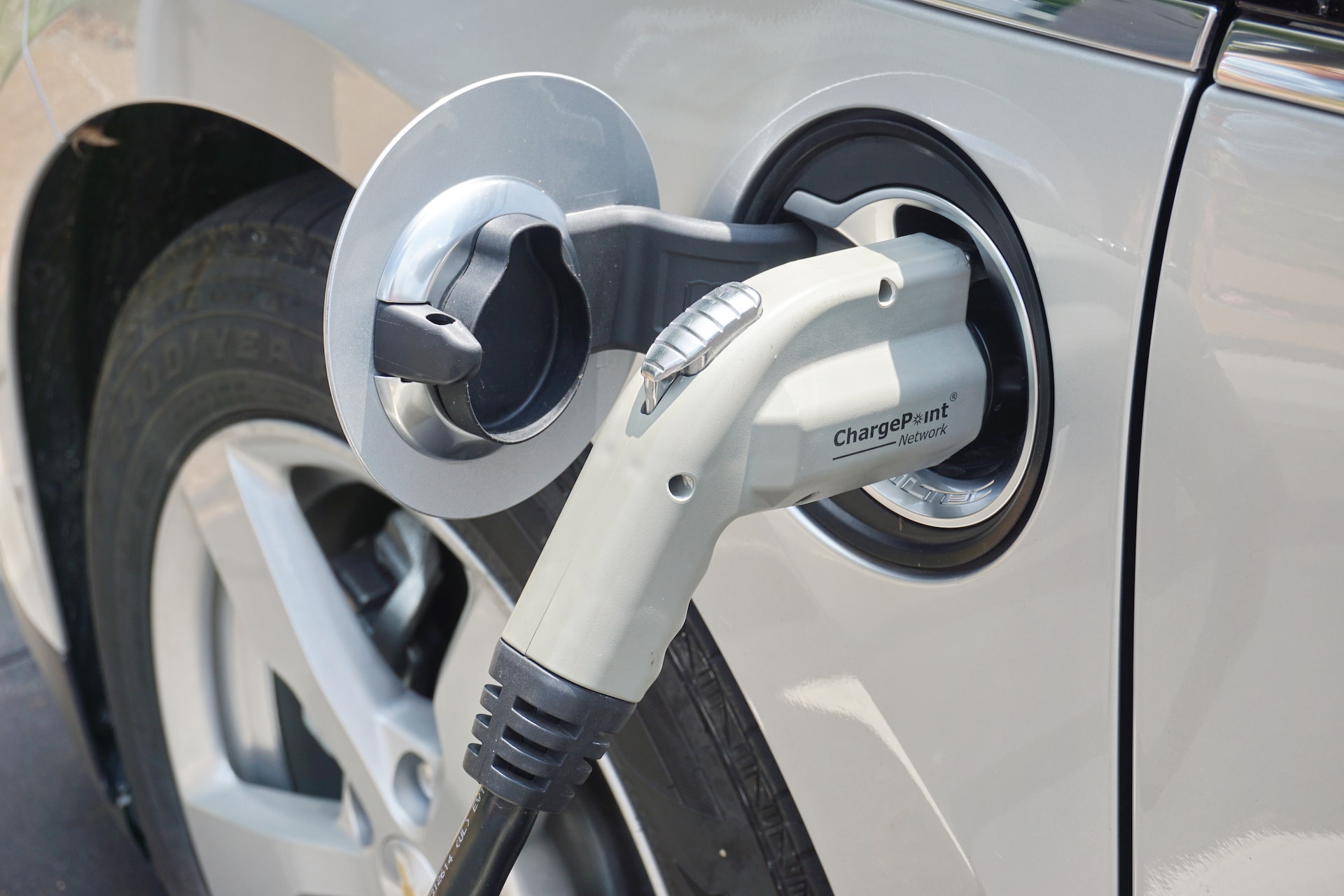
Norway’s charging infrastructure plays a vital role in facilitating widespread EV adoption. The nation boasts an extensive network of charging stations, ensuring that EV owners have convenient access to charging facilities, both at home and on the road. Fast-charging stations are strategically located along highways, enabling long-distance travel without range anxiety. Moreover, the government’s focus on interoperability and standardization has streamlined the charging experience, making it seamless for EV owners across different brands.
Consumer Demand: Embracing Electric Mobility
Norwegian consumers have wholeheartedly embraced electric mobility, driving the demand for EVs. The combination of government incentives, increasing model choices, and the environmental consciousness of the population has contributed to a surge in EV sales. The Norwegian Electric Vehicle Association has played a significant role in educating and mobilizing consumers, promoting the benefits of electric mobility and dispelling common misconceptions. As a result, EVs have become a symbol of prestige, environmental responsibility, and technological advancement in Norwegian society.
Overcoming Challenges: The Road to Mass Adoption
While Norway’s electric odyssey has been a resounding success, it is not without its challenges. The high cost of EVs, limited model availability, and charging infrastructure gaps in remote areas present hurdles to achieving mass adoption. To address these challenges, the government continues to offer financial incentives, invest in charging infrastructure expansion, and collaborate with automakers to expand model offerings. Furthermore, ongoing research and development efforts are focused on battery technology advancements, driving down costs and improving range to make EVs even more accessible to the general public.
Impact on the Automotive Industry: Setting the Bar High
Norway’s electric odyssey has had a profound impact on the automotive industry both domestically and internationally. As automakers strive to meet Norway’s ambitious targets, they are accelerating their investments in electric vehicle technology and infrastructure. The demand from Norwegian consumers has made the country an attractive market for automakers, leading to increased model availability and technological advancements. The ripple effect of Norway’s EV revolution can be observed globally, as other countries and cities draw inspiration from its success and implement similar policies and incentives to promote electric mobility.





