


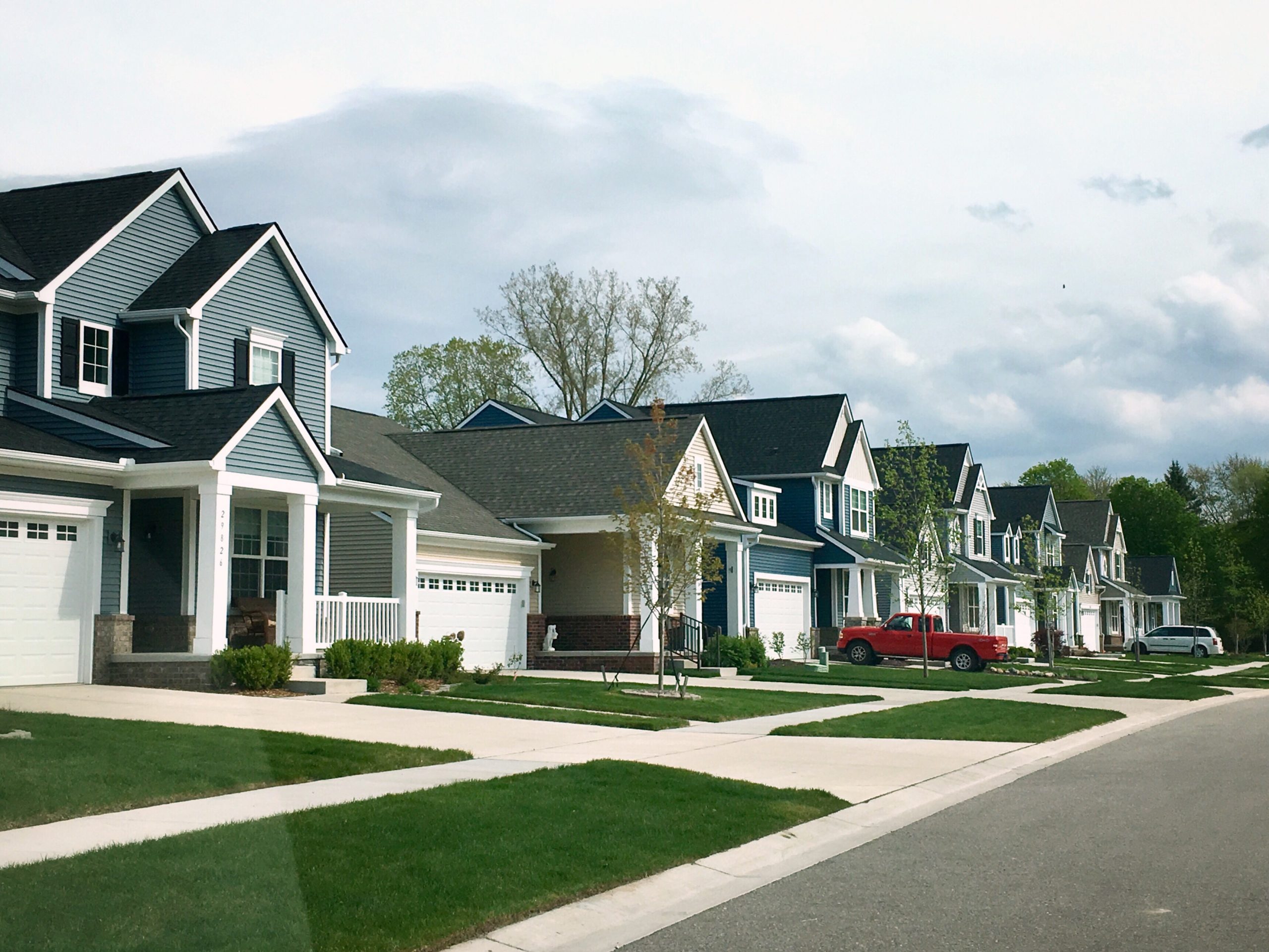

Millennials Embrace Suburban Living: A New Trend
- Real Estate
- September 1, 2023
- No Comment
- 26
Introduction: Embracing Suburban Dreams
In an era where urban jungles have long been the dream destinations, a new phenomenon is quietly but decisively sweeping across the housing landscape. Millennials, often dubbed the “city generation,” are increasingly turning their sights to suburban living. This unexpected shift is more than just a matter of where to call home; it’s a societal transformation with far-reaching implications. Join us as we delve into why millennials are leading the charge toward suburbia and how this trend is revolutionizing the concept of “Home Sweet Home.”
The Millennial Perspective
Why Suburbs?
Millennials, those born roughly between 1981 and 1996, have grown up witnessing the hustle and bustle of city life. They’ve seen the towering skyscrapers, experienced the frenetic pace, and lived through the congestion of urban centers. But as they enter a new phase of life, often marked by starting families, they’re reevaluating their priorities. The suburbs, with their promise of space, tranquility, and a more affordable cost of living, are increasingly appealing.
The urban landscape, once so alluring, now seems crowded, costly, and hectic. Millennials are longing for a different way of life, one that prioritizes comfort, family, and community.
Suburban Advantages
Space and Greenery
One of the primary reasons millennials are flocking to suburbs is the prospect of more spacious living. In the suburbs, you can have that white picket fence, a backyard for the kids to play, and room to breathe. The appeal of greenery and access to parks cannot be underestimated, especially in a post-pandemic world where outdoor spaces have gained newfound significance.

Cost-Effective Living
City living often comes with a hefty price tag – exorbitant rents, high property costs, and increased everyday expenses. Suburbs offer a more cost-effective alternative, making it easier for millennials to save, invest, and secure their financial futures.
The money saved by living in the suburbs can go towards a more secure financial future, including homeownership, investments, or starting a family. This financial stability is an attractive prospect for a generation that has often faced economic challenges.
The Rise of Remote Work
The Remote Revolution
The COVID-19 pandemic catalyzed a seismic shift in work culture, leading to a surge in remote work. For millennials, this has been a game-changer. No longer tethered to city offices, they are free to choose where they live. Suburban towns with their quieter, less congested atmospheres have become ideal places to set up remote workstations.
Remote work not only provides flexibility but also aligns with millennials’ desire for a healthier work-life balance. This shift has allowed many to escape the long commutes and overcrowded public transportation associated with urban jobs.
Suburban vs. Urban Living: A Comparative Table
To help you visualize the differences between suburban and urban living, here’s a comparative table:
| Aspect | Suburban Living | Urban Living |
|---|---|---|
| Housing Costs | Generally lower | Generally higher |
| Space | Larger homes, yards | Smaller living spaces |
| Commute | Less congestion, shorter | Traffic jams, longer commutes |
| Outdoor Activities | Abundant parks, recreational | Limited green spaces |
| Work Flexibility | Remote work opportunities | Office-centric culture |
| Cost of Living | Affordable | Expensive |
This table highlights key differences that influence millennials’ decisions to move to the suburbs.
Millennials and Suburban Communities
Building Communities
Millennials are not just moving to suburbs; they’re actively reshaping these communities. They’re bringing their urban sensibilities with them, advocating for sustainability, local businesses, and a stronger sense of community. Suburbs are evolving into vibrant, inclusive places that cater to the needs of this dynamic generation.
The desire for community-building and local engagement is evident as millennials seek out suburban areas with diverse cultural offerings, local businesses, and initiatives that align with their values.
Expert Insights: Meet Dr. Emily Parker
To provide valuable insights into this emerging trend, we turn to Dr. Emily Parker, a renowned urban sociologist with over two decades of research experience. Dr. Parker’s groundbreaking work on housing trends has earned her recognition as a leading authority in the field.
Dr. Emily Parker is a Professor of Sociology at the University of Suburbia, specializing in urban and suburban studies. With numerous publications and awards to her name, she offers a unique perspective on the shift toward suburban living among millennials.
According to Dr. Parker, “The suburban resurgence among millennials signifies a shift in priorities. They are seeking not just a house but a home, a place where they can truly live, work, and connect with their neighbors.”
Conclusion: A New Definition of Home
The shift toward suburban living among millennials is not just a change in address; it’s a reflection of evolving priorities and a desire for a more balanced, fulfilling life. As these city-born millennials embrace the suburbs, they are redefining what “Home Sweet Home” means in the 21st century. With space, affordability, and a focus on community, the suburbs are proving to be a new frontier for this generation, marking the dawn of a suburban renaissance. So, if you’re a millennial considering the move, it might be time to discover the charms of suburbia.
In a world that constantly evolves, so too do our living preferences. With millennials at the forefront of this suburban resurgence, it’s clear that the suburbs are no longer just a place to live; they are the canvas on which a new vision of home is being painted. As this generation leads the way, the suburbs are undergoing a transformation that promises a better quality of life, one that combines the best of both urban and suburban worlds.





