



Mastering Food Allergies: Ensuring a Safer Dining Experience
- Foodhealth
- August 16, 2023
- No Comment
- 29
This article is designed for individuals who want to enhance their understanding of major food allergies, improve their ability to recognize allergens, and ultimately ensure a safer dining experience. Readers will benefit from comprehensive insights into common food allergies, their symptoms, and practical tips to avoid allergen exposure.
Introduction: Dr. Valter Longo and the Quest for Health
In a world where dietary choices impact our well-being, it’s crucial to stay informed about how the food we consume can affect our bodies. Dr. Valter Longo, a distinguished biogerontologist, has dedicated his expertise to unraveling the intricate relationship between diet and health. Although his specialization lies in the fasting-mimicking diet, his insights extend to broader dietary concerns, such as food allergies. By tapping into Dr. Longo’s knowledge, we can gain valuable insights into recognizing major food allergies and safeguarding our dining experiences.
Understanding Major Food Allergies
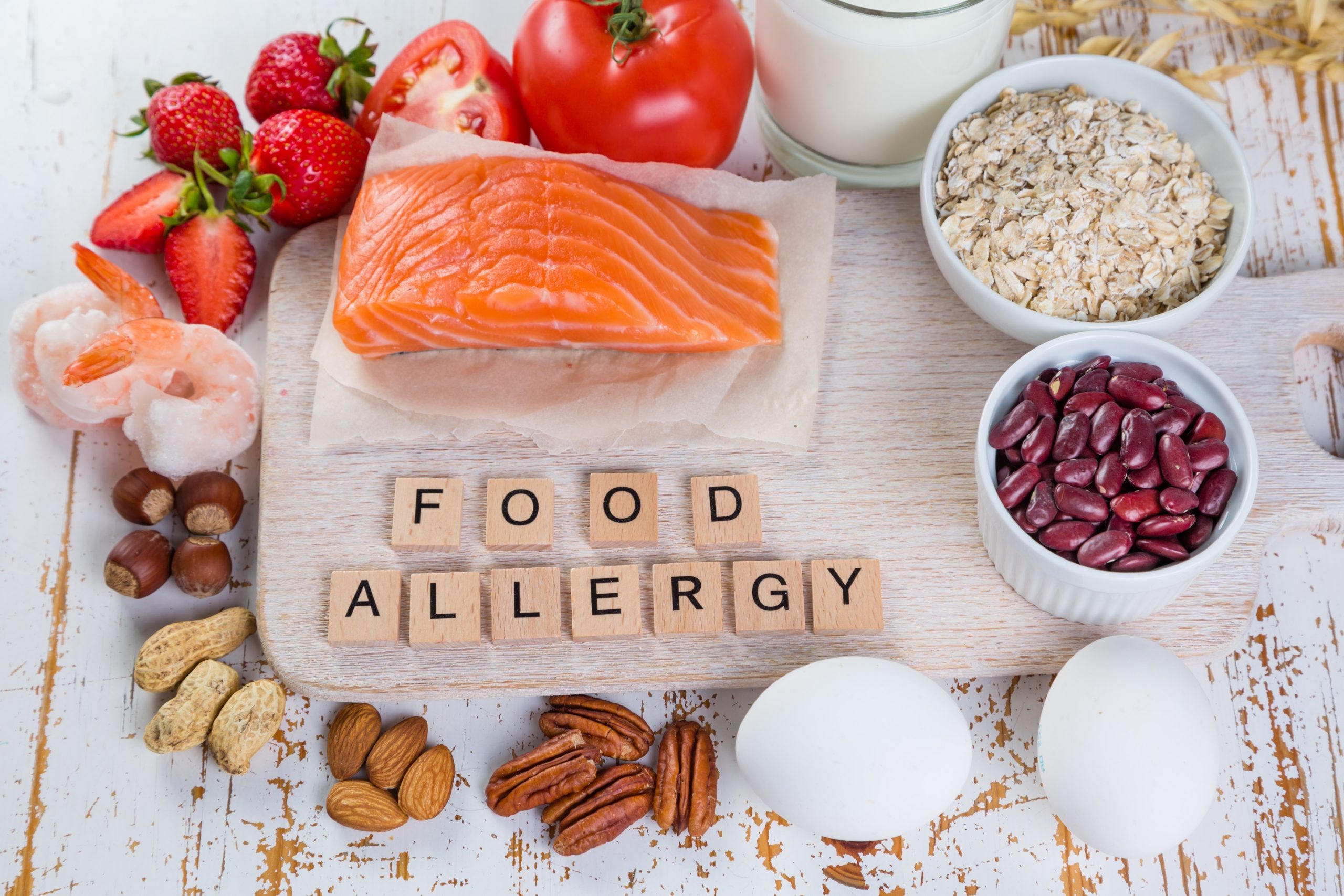
Food allergies are not to be taken lightly – they can range from mild discomfort to severe and life-threatening reactions. The most common allergens include peanuts, tree nuts, shellfish, milk, eggs, soy, wheat, and fish. These allergens trigger the body’s immune response, leading to symptoms that can affect the skin, respiratory system, digestive system, and even the cardiovascular system. It’s important to distinguish between allergies and intolerances; allergies involve the immune system, while intolerances typically involve the digestive system.
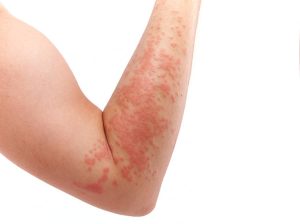
Knowing the symptoms of a food allergy is paramount for both affected individuals and those around them. Symptoms may manifest as hives, itching, swelling, shortness of breath, nausea, vomiting, diarrhea, and in severe cases, anaphylaxis. Anaphylaxis is a rapid and severe allergic reaction that requires immediate medical attention. Being able to recognize these symptoms can make all the difference in ensuring a timely and appropriate response.
Recognizing Symptoms and Triggers
The symptoms of a food allergy can vary widely in their presentation. For instance, a person with a peanut allergy might experience itching and swelling around the mouth, whereas another individual could face difficulty breathing and a drop in blood pressure. These variations underscore the importance of recognizing both common and atypical symptoms.
Understanding triggers is equally crucial. Even trace amounts of allergens can lead to reactions, which is why reading food labels diligently is essential. Additionally, cross-contact – where allergens from one food come into contact with another – can occur during food preparation. This highlights the need for thorough cleaning and allergen separation in both home and restaurant kitchens.
Creating a Safer Dining Experience
When dining out or preparing meals, individuals with food allergies must take proactive steps to ensure their safety. Communication is key. When eating at a restaurant, it’s wise to inform the staff of your allergies and ask about the ingredients in the dishes you’re interested in. Many restaurants are accommodating and willing to make modifications to meet your needs. However, it’s crucial to remain vigilant, as mistakes can happen.
For those who enjoy cooking at home, it’s important to have a dedicated workspace for allergen-free meal preparation. This reduces the risk of cross-contact and contamination. Additionally, keep an emergency plan in place, especially if you or a loved one has a history of severe allergic reactions. This plan should include carrying an epinephrine auto-injector, knowing how to use it, and seeking immediate medical help if anaphylaxis occurs.
Expert Insights from Dr. Valter Longo
While Dr. Valter Longo’s expertise primarily revolves around the fasting-mimicking diet, his insights into dietary choices can be applied to managing food allergies. Research has shown that certain diets, including the Mediterranean diet, may have anti-inflammatory effects that could potentially benefit individuals with allergies. Although more research is needed in this area, the connection between diet and immune system function is an intriguing avenue of exploration.
Stay tuned for the next sections of the article, which will delve into specific steps for creating a safer dining experience and offer expert insights from Dr. Valter Longo regarding the potential impact of dietary choices on allergies.





