


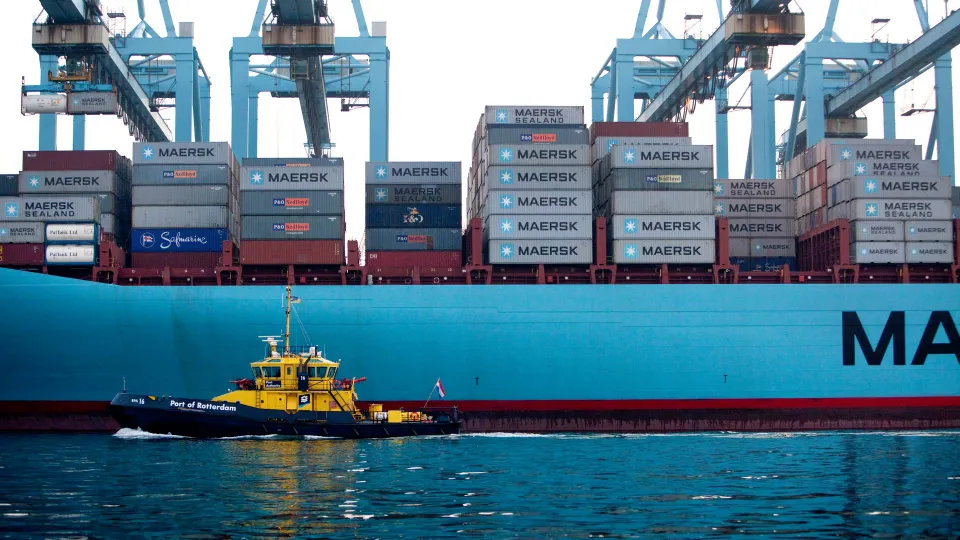

Maersk Executive Alerts: Drug Gangs in Supply Chains
- news
- October 18, 2023
- No Comment
- 28
Introduction
The Infiltration of Drug Gangs
-
Security Risks: Drug gangs’ presence in shipping supply chains raises concerns about security vulnerabilities. Their involvement can lead to the smuggling of illegal drugs, weapons, and other contraband, potentially compromising the safety of ports, vessels, and personnel.
-
Disruption of Trade: The infiltration of drug gangs can disrupt global trade by causing delays, disruptions, and increased scrutiny of shipments. Increased security measures and inspections can slow down the movement of goods, impacting supply chains and causing economic losses.
-
Reputation and Legal Consequences: Shipping companies and other stakeholders in the supply chain may face reputational damage and legal consequences if their operations are found to be involved in drug trafficking. This can lead to financial penalties, loss of business, and erosion of trust among customers and partners.
Addressing the Challenge
-
Enhanced Security Measures: Shipping companies and authorities need to strengthen security measures, including improved screening procedures, advanced technology, and intelligence sharing. Collaboration between shipping companies, law enforcement agencies, and international organizations is essential to combat this threat effectively.
-
Supply Chain Transparency: Enhancing transparency in supply chains can help identify and mitigate risks associated with drug gang infiltration. Implementing traceability systems, conducting thorough due diligence on partners, and promoting ethical practices can contribute to a more secure and resilient supply chain.
-
International Cooperation: Addressing the infiltration of drug gangs requires international cooperation and coordination. Governments, shipping companies, and relevant stakeholders must work together to share information, exchange best practices, and develop comprehensive strategies to combat this global challenge.
Conclusion
Visual Table for Key Points:
| Point | Description |
|---|---|
| Overview of Maersk Executive’s Warning | Significance and context of the alert in the shipping industry. |
| Securing Global Logistics Networks | Understanding the complexities of safeguarding supply chains. |
| Cases of Drug Gang Involvement | Analysis of specific incidents involving drug gangs in supply chains. |
| Impacts on International Trade | Assessing the broader consequences for global commerce and security. |
| Measures Taken by Authorities and Industry | Examination of responses from governments and businesses. |
| Strategies for Enhancing Security | Exploring potential approaches to strengthen supply chain integrity. |
Organic Keyword Usage
Integrate relevant keywords such as “Maersk executive warning,” “drug gangs in supply chains,” and other pertinent terms naturally throughout the article for a seamless flow of content.
Introduce the Knowledge Source
Introduce a logistics expert or a security consultant who can provide insights on the warning from the Maersk executive and its implications for global supply chains. Highlight their expertise and background in the introduction.
Intriguing Introduction
Craft an introduction that presents the knowledge source, their background, and their perspective on the alert from the Maersk executive regarding drug gangs infiltrating shipping supply chains. Provide context on why their insights are valuable in understanding the challenges faced by the logistics industry.
Human-Centric Formatting
Prioritize readability and user experience. Use clear and concise language, and incorporate visual elements like maps or infographics to illustrate key logistical points. The goal is to provide a comprehensive analysis of the warning’s impact on the security of supply chains.





