


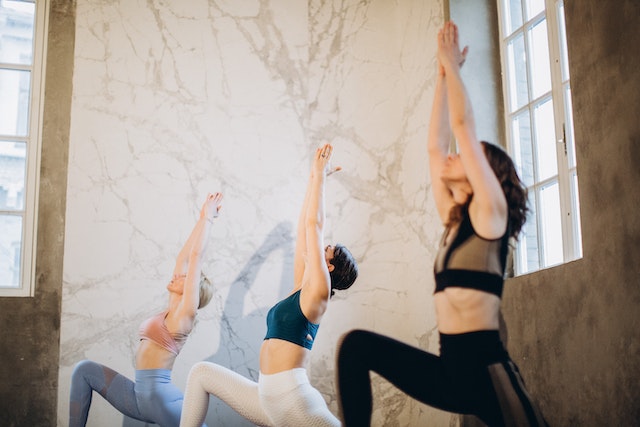

Lunge Variations Adding Diversity and Challenge to Your Fitness Plan
- health
- June 13, 2023
- No Comment
- 27
Lunges are a fantastic exercise that targets your lower body muscles, improves balance, and strengthens your core. If you’re new to lunges, here’s a beginner’s guide to help you master proper technique and execution:
- Starting position: Stand tall with your feet hip-width apart. Keep your shoulders relaxed and engage your core by drawing your belly button in towards your spine.
- Step forward: Take a controlled step forward with one leg, ensuring you have enough space to create a 90-degree angle at both knees when you lower into the lunge. Maintain good posture throughout the exercise.
- Lower into the lunge: As you step forward, simultaneously bend both knees to lower your body toward the ground. Aim to lower your back knee until it is hovering just above or lightly touching the floor. Ensure that your front knee stays directly above your ankle and does not extend beyond your toes. The back knee should be pointing downward.
- Maintain alignment: Keep your upper body aligned and avoid leaning too far forward or backward. Your chest should be lifted, and your shoulders should be relaxed. Engage your core to maintain stability and balance.
- Push through the heel: As you return to the starting position, focus on pushing through the heel of your front foot to activate the muscles in your glutes and hamstrings. This will help you maintain balance and target the correct muscle groups.
- Switch legs: Complete the desired number of repetitions on one leg, then switch to the other leg and repeat the same steps.
Additional tips for proper lunge execution:
- Keep your movements controlled and avoid rushing through the exercise. This will help you maintain balance and stability.
- Ensure both knees are bent at a 90-degree angle when you lower into the lunge. If you’re unable to achieve this depth at first, start with a shallower lunge and gradually work towards a deeper range of motion.
- Engage your core muscles throughout the movement to provide stability and protect your lower back.
- Avoid letting your front knee collapse inward or rotate outward. Keep it aligned with your toes to protect your knee joint.
- Keep your gaze forward and avoid looking down, as it can disrupt your balance.
- If you feel any discomfort or pain during lunges, make sure to stop and reassess your form. It’s crucial to listen to your body and make adjustments as needed.
Remember, practice makes perfect. Start with bodyweight lunges and gradually progress to adding weights or incorporating different lunge variations as you become more comfortable with the exercise. If you’re unsure about your technique, consider working with a fitness professional who can provide guidance and ensure proper form.





