


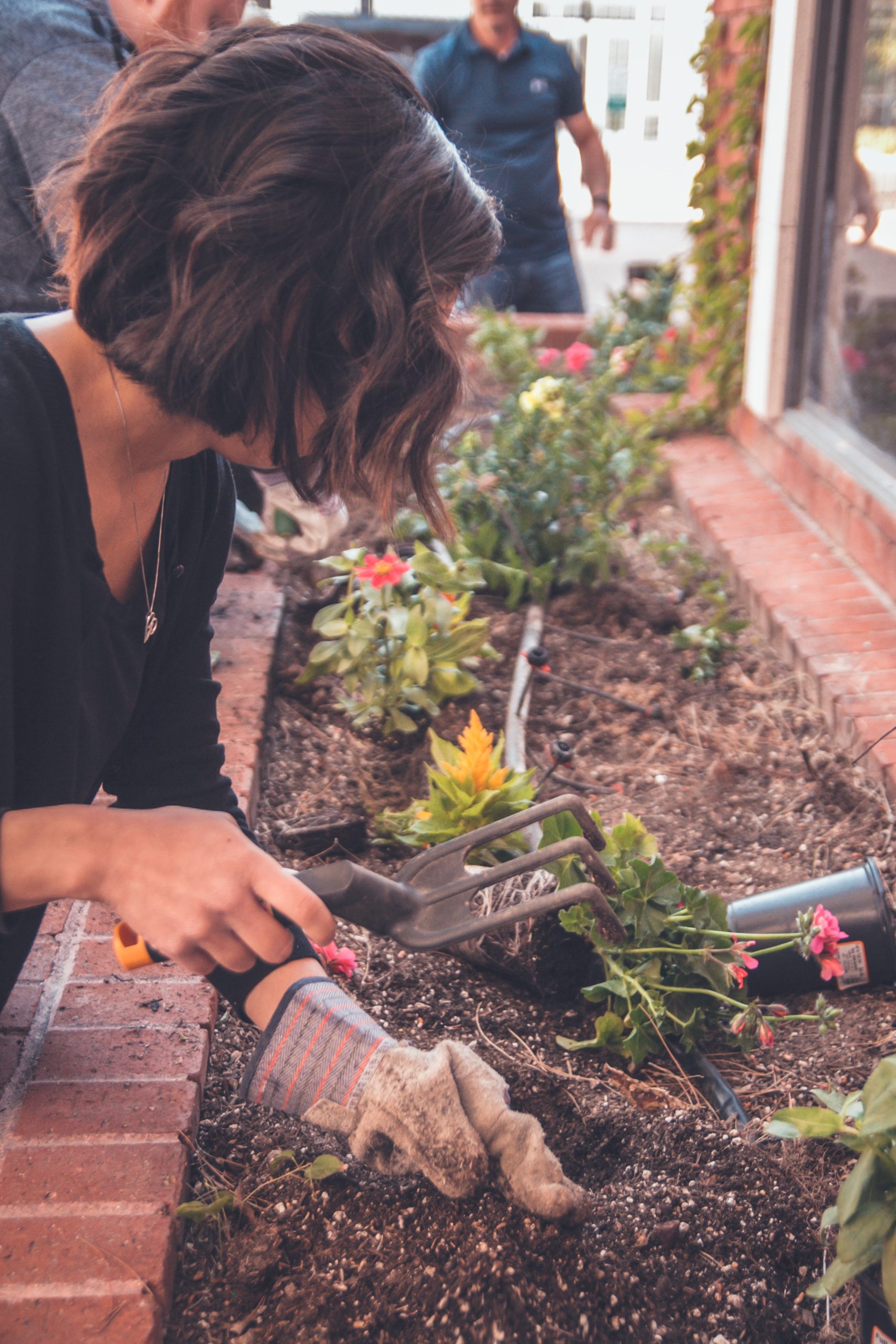

Teaching Kids Responsibility Through Gardening: Tips for Getting Children Involved in the Garden
- HOME Garden
- April 28, 2023
- No Comment
- 26
Introduction
Are you looking for ways to teach your kids responsibility while also having fun? Look no further than gardening! Gardening is a great way to get children involved in taking care of something and learning about the environment. Plus, it’s an excuse to spend time outside and get some fresh air. In this blog post, we’ll give you tips on how to use gardening as a tool for teaching your kids responsibility and share some ideas on how to set up a garden of your own at home. So grab your shovels and let’s get started!
Tips for Teaching Responsibility Through Gardening
Gardening is an excellent way to teach kids about responsibility. Here are some tips on how to utilize gardening for this purpose.
Start small by assigning simple tasks like watering the plants, weeding or even measuring the height of a plant. This will help children learn how to take care of something and develop their sense of accountability.
As they progress, give them more complex responsibilities such as planting seeds or harvesting vegetables. Make sure they understand the importance of following instructions and taking care of each plant’s specific needs.
Encourage teamwork by involving all family members in maintaining the garden. Assigning age-appropriate tasks can create a sense of unity among siblings while instilling values such as cooperation and shared responsibilities.
Teach your children about sustainability by using eco-friendly practices like composting, natural pest control techniques, and rainwater collection. Discuss with them why these methods are essential for preserving our environment.
Celebrate every milestone achieved in your garden together as a family! Gather around when it’s time to harvest your fresh produce and prepare meals with what you’ve grown together! This would make them feel proud that they have taken part in creating something valuable while learning important life skills along the way.
Suggestions for Setting Up a garden in Your Home
Setting up a garden in your home is an excellent way to teach kids responsibility while also providing them with an outdoor activity that they can enjoy. Here are some suggestions for getting started:
1. Choose the right spot: Make sure you choose a location in your yard that gets plenty of sunlight and has good drainage.
2. Decide on what to plant: Consider planting vegetables or herbs that your family enjoys eating or plants that attract butterflies, bees, and other pollinators.
3. Start small: If this is your first time gardening, don’t overwhelm yourself by starting too big! Begin with just a few plants or herbs and expand as you gain more experience.
4. Gather essential supplies: You’ll need basic gardening tools like gloves, shovels, watering cans, and soil mixtures from local nurseries.
5. Involve your children in the process: Encourage them to help with selecting seeds or seedlings at a nursery store; allow them to dig holes for planting their chosen vegetables; ask them to water their crops regularly; encourage exploration of different types of insects around the garden area without harming any living organisms
By following these simple steps when setting up a garden in your home, you will not only provide an opportunity for quality time spent outdoors but also instill valuable life skills such as responsibility and patience into your child’s character development journey!
Harvesting your vegetables from the garden
Harvesting your vegetables from the garden is a rewarding experience for both parents and children. It’s the moment where all of their hard work pays off, and they can enjoy the fruits of their labor.
Before you start harvesting, it’s important to know when each vegetable is ready to be picked. Some vegetables like tomatoes, cucumbers, and peppers will change color when they are ripe while others like carrots and onions need to be pulled out of the ground. Teach your child how to identify when each vegetable is ready for harvest.
When it comes time to pick the vegetables, encourage your child to be gentle with them so that they don’t damage any nearby plants or roots. Explain why it’s important not to pull too hard on stems or branches that may still have unripe fruit growing on them.
Once you’ve harvested all of your vegetables, take some time together as a family in preparing them for cooking or storing. Show your child how washing fresh produce in cold water helps remove dirt and harmful bacteria.
Talk about what meals would be best using these freshly grown veggies! Encourage creativity by asking if there are new recipes that can incorporate these ingredients into dishes they already love!
Harvesting from a home-grown garden provides an opportunity for kids not only learn responsibility but also instills healthy eating habits!
Conclusion
Gardening is an excellent way to teach kids about responsibility and sustainability. Not only does it encourage them to be more self-sufficient, but it also instills in them a sense of pride when they see the fruits of their labor.
By following these tips for getting children involved in gardening, you can help your child cultivate a love for nature while teaching valuable life skills. Remember to make the experience enjoyable by keeping it simple and allowing your child’s creativity to shine through.
With a little patience and effort, you can foster an appreciation for gardening that will last a lifetime. So why not start today? Get out there with your kids and get growing!





